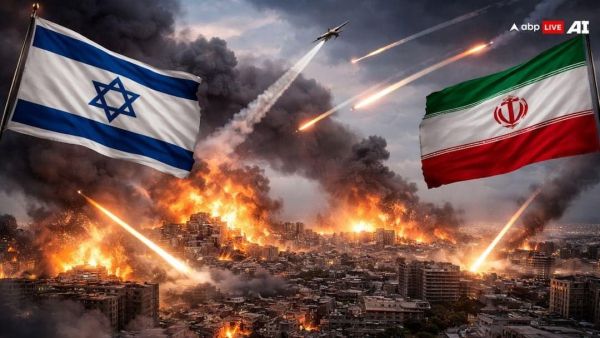
The 2026 Iran war, now one month old, began on February 28 with coordinated US–Israel strikes on Iran, but the conflict was the culmination of months of failed diplomacy, rising threats and military escalation. Within hours of the opening attack, the region was drawn into a wider war, marked by the killing of Iran’s top leadership, which triggered one of the most dangerous regional conflicts in recent history.
What followed was a rapid escalation—retaliatory missile barrages, attacks across the Middle East, and the partial closure of the world’s most critical oil route, which disrupted global oil routes.
The roots of the war lie in the brief but intense June 2025 confrontation, when Israel carried out major strikes on Iranian nuclear and military facilities. Iran retaliated with missile and drone attacks, establishing a pattern of direct confrontation.
In the months that followed, tensions remained high. Iran hardened its nuclear stance, restricted international inspections and continued uranium enrichment despite pressure from Western powers. Diplomatic channels stayed open, but trust eroded steadily.
Tensions between the United States, Israel and Iran escalated sharply after repeated failures to revive a nuclear agreement. Washington and Tel Aviv accused Tehran of advancing its nuclear and missile programmes, while Iran demanded sanctions relief and security guarantees.
By January 2026, internal unrest in Iran and external pressure from the United States intensified the situation. The United States increased military deployments in the region, while Israel signalled readiness for pre-emptive action.
In early February, indirect talks between the United States and Iran resumed in Geneva under Omani mediation. Multiple rounds of negotiations were held through the month, with both sides publicly expressing cautious optimism.
By February 26–27, mediators suggested progress, with Iran indicating a willingness to limit aspects of its nuclear programme. However, the gap between the two sides remained significant. Even as diplomacy continued, US President Donald Trump warned that “all options” remained on the table if talks failed.
The contradiction between ongoing negotiations and rising military readiness brought the situation to a tipping point.
On February 28, just days after the latest round of negotiations, the United States and Israel launched coordinated air and missile strikes across Iran, targeting military, nuclear and command infrastructure.
Explosions were reported in Tehran and other major locations, while Israel declared emergency measures and shut its airspace. Several countries in the region also closed their airspace as the scale of the attack became clear.
President Trump described the operation as the beginning of a “major combat operation” aimed at eliminating threats from Iran.
The initial strikes were not limited to infrastructure. They targeted Iran’s top command structure. Supreme Leader Ali Khamenei was killed in the opening wave, along with several senior military and security officials, including key figures linked to the armed forces and nuclear establishment.
The scale of leadership losses indicated a deliberate attempt to cripple Iran’s command system in a single blow.
Iran retaliated almost immediately. Within hours of the strikes, it launched ballistic missiles and drones not just at Israel, but across the wider Middle East.
Missiles struck or targeted locations in Israel, Bahrain, Qatar, Saudi Arabia, Kuwait and the United Arab Emirates. US military installations, including bases in Qatar, Kuwait and Bahrain, came under attack, while cities like Tel Aviv and Haifa reported explosions.
The scale of the retaliation confirmed that the conflict had expanded beyond a bilateral confrontation into a regional war.
Following the killing of Ali Khamenei, Iran moved quickly to stabilise its leadership. Mojtaba Khamenei, Ayatollah Ali Khamenei's son, was elevated to the position of Supreme Leader, ensuring continuity in the system.
The swift transition signalled that the leadership structure remained intact and reinforced a hardline stance as the conflict escalated.
In the days following February 28, the conflict intensified across the region. Israel continued strikes on Iranian military and nuclear-linked sites, while the United States carried out additional operations targeting strategic infrastructure.
Iran sustained its missile and drone campaign, hitting Israeli cities and US-linked assets while also extending pressure on regional allies. The conflict drew in multiple theatres, including Gulf states and neighbouring countries, creating a multi-front war environment.
As the war escalated, Iran moved to leverage its strategic position along the Strait of Hormuz. Attacks were carried out on vessels and oil infrastructure and shipping through the Strait of Hormuz was disrupted. This restricted one of the world’s most critical oil transit routes, impacting nearly 20% of global oil flows.
The disruption triggered a surge in global oil prices and raised fears of a prolonged energy crisis, bringing the economic consequences of the war into sharp focus.
The United States warned of further military action if Iran did not step back, while Iran vowed to continue its response and expand the cost of the conflict.
Despite the scale of the strikes and retaliation, neither side signalled a willingness to back down, and diplomatic efforts remained uncertain.
The US launched hundreds of additional missile strikes targeting Iranian infrastructure and Israel continued attacks on nuclear facilities and military assets.
US President Donald Trump issued ultimatums, warning of severe consequences, including strikes on Iran’s energy infrastructure, if the waterway was not reopened.
The events of February 28 did not occur in isolation, they were the culmination of months of failed negotiations, rising threats and strategic mistrust. The fact that strikes were launched even as talks were ongoing highlights how fragile the diplomatic process had become.
The killing of Ali Khamenei, the rapid elevation of Mojtaba Khamenei, and Iran’s sweeping retaliation across multiple countries transformed the crisis into a full-scale regional war within hours.
One month on, the conflict continues to disrupt global energy flows, destabilise the Middle East and test the limits of military power. The Strait of Hormuz remains a central flashpoint, and with no clear breakthrough in sight, the war shows every sign of becoming a prolonged and defining geopolitical crisis.