Yemen's Houthi rebels announced their entry into the West Asia war on Saturday by launching a ballistic missile towards Israel, as the world struggled to contain the economic damage of a conflict now entering its second month.
The intervention of Iran's Yemeni allies into Tehran's conflict with Israel and the United States will spark concern about disruption to Red Sea shipping, with trade from the Gulf through the Strait of Hormuz already choked off.
With Hormuz closed, many shipments to and from the region pass through the Omani port of Salalah, on the Arabian Sea, but Danish shipping giant Maersk said operations had been temporarily suspended after a drone attack injured one worker and damaged a crane.
Also Read: Oil surge elicits tough love from Trump’s Latin American allies
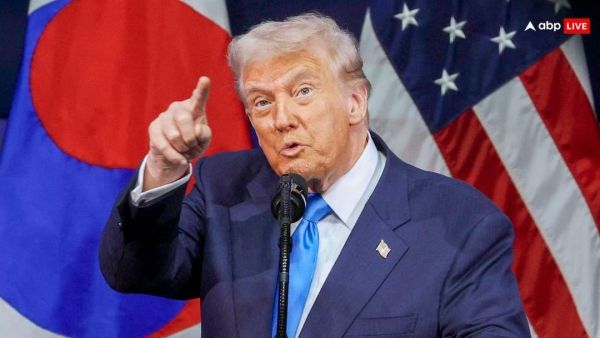
The war began when the US and Israel launched airstrikes across Iran, killing supreme leader Ayatollah Ali Khamenei, engulfing West Asia in conflict and triggering global economic pain by sending oil and gas prices soaring. With no end to the conflict in sight, despite US President Donald Trump's optimism that US forces have obliterated Iran's military, a spokesman for the Houthis issued a video statement declaring that the group had launched ballistic missiles towards Israeli bases.
Speaking earlier, secretary of state Marco Rubio said the US States expected to conclude military operations within weeks but the Houthis said they would continue their operations until the "aggression" on all fronts ended.
Also Read: Iran claims strikes on US 'hideouts' in Dubai
There were no reports of any casualties or damage in Israel, and the missile was reportedly intercepted. Iranian President Masoud Pezeshkian spoke to Pakistan’s Prime Minister Shehbaz Sharif, whose government will host a meeting with the Turkish, Egyptian and Saudi foreign ministers to seek to ease regional tensions.
Shehbaz Sharif’s government has emerged as a key facilitator between Iran and the United States as their war drags on, serving as an intermediary for messages between the two sides. Top diplomats from Riyadh, Cairo and Ankara are due in the Pakistani capital on Sunday and Monday for “in-depth discussions on a range of issues, including efforts to de-escalate tensions in the region”, the Pakistan foreign ministry said. They will be hosted by their Pakistani counterpart, Ishaq Dar, and a meeting with Sharif is also planned, a statement read.
Saudi Arabia has diverted a large proportion of its oil exports to the Red Sea port of Yanbu, to avoid the Strait of Hormuz, which Iran says it has closed to shipping from hostile powers — driving up energy prices worldwide. Iran’s military said on Saturday that it had targeted a US logistics vessel near the Omani port of Salalah on the Arabian Sea. Oman said a drone attack on the port wounded a foreign worker.
In Iran, meanwhile, production was shut down at a major steel plant in the southwest of the country after US-Israeli strikes, according to a statement from the Khuzestan Steel Company, cited by the Shargh newspaper. Iran’s Revolutionary Guards have warned they will retaliate for any economic damage by striking industrial sites across the region, having earlier issued similar warnings for US military bases and hotels hosting American troops.
Iranian President Masoud Pezeshkian sent a message to other countries in the region, warning: “If you want development and security, don’t let our enemies run the war from your lands.”
The intervention of Iran's Yemeni allies into Tehran's conflict with Israel and the United States will spark concern about disruption to Red Sea shipping, with trade from the Gulf through the Strait of Hormuz already choked off.
With Hormuz closed, many shipments to and from the region pass through the Omani port of Salalah, on the Arabian Sea, but Danish shipping giant Maersk said operations had been temporarily suspended after a drone attack injured one worker and damaged a crane.
Also Read: Oil surge elicits tough love from Trump’s Latin American allies
The war began when the US and Israel launched airstrikes across Iran, killing supreme leader Ayatollah Ali Khamenei, engulfing West Asia in conflict and triggering global economic pain by sending oil and gas prices soaring. With no end to the conflict in sight, despite US President Donald Trump's optimism that US forces have obliterated Iran's military, a spokesman for the Houthis issued a video statement declaring that the group had launched ballistic missiles towards Israeli bases.
Speaking earlier, secretary of state Marco Rubio said the US States expected to conclude military operations within weeks but the Houthis said they would continue their operations until the "aggression" on all fronts ended.
No reports of casualties
A few hours earlier, the Israeli military had said it had “identified the launch of a missile from Yemen toward Israeli territory, aerial defence systems are operating to intercept the threat”.Also Read: Iran claims strikes on US 'hideouts' in Dubai
There were no reports of any casualties or damage in Israel, and the missile was reportedly intercepted. Iranian President Masoud Pezeshkian spoke to Pakistan’s Prime Minister Shehbaz Sharif, whose government will host a meeting with the Turkish, Egyptian and Saudi foreign ministers to seek to ease regional tensions.
Shehbaz Sharif’s government has emerged as a key facilitator between Iran and the United States as their war drags on, serving as an intermediary for messages between the two sides. Top diplomats from Riyadh, Cairo and Ankara are due in the Pakistani capital on Sunday and Monday for “in-depth discussions on a range of issues, including efforts to de-escalate tensions in the region”, the Pakistan foreign ministry said. They will be hosted by their Pakistani counterpart, Ishaq Dar, and a meeting with Sharif is also planned, a statement read.
Red Sea shipping
During Israel’s recent war on Gaza the Houthis, claiming solidarity with the Palestinians, attacked shipping in the Red Sea and Gulf of Aden. But, until Saturday, had sat out the latest conflict. The Red Sea has become increasingly important during the new war.Saudi Arabia has diverted a large proportion of its oil exports to the Red Sea port of Yanbu, to avoid the Strait of Hormuz, which Iran says it has closed to shipping from hostile powers — driving up energy prices worldwide. Iran’s military said on Saturday that it had targeted a US logistics vessel near the Omani port of Salalah on the Arabian Sea. Oman said a drone attack on the port wounded a foreign worker.
Air travel disrupted
On Saturday, authorities in Kuwait and in the city of Erbil in Iraqi Kurdistan said airport facilities had been damaged in strikes. Fire also broke out after Iranian missiles and drones hit an industrial zone in the UAE, injuring five people.In Iran, meanwhile, production was shut down at a major steel plant in the southwest of the country after US-Israeli strikes, according to a statement from the Khuzestan Steel Company, cited by the Shargh newspaper. Iran’s Revolutionary Guards have warned they will retaliate for any economic damage by striking industrial sites across the region, having earlier issued similar warnings for US military bases and hotels hosting American troops.
Iranian President Masoud Pezeshkian sent a message to other countries in the region, warning: “If you want development and security, don’t let our enemies run the war from your lands.”