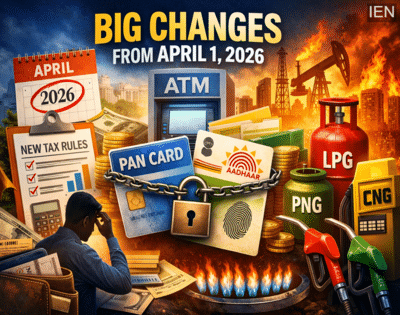
Several important financial changes are set to come into effect across India from April 1, 2026, marking the beginning of the new financial year. These updates are expected to directly impact taxpayers, banking customers, and households, especially in terms of taxation, compliance, and daily expenses.
From possible revisions in income tax rules to stricter PAN requirements and changes in ATM usage, here’s a detailed look at what may change and how it could affect your finances.
Income Tax Rules May See Major UpdatesOne of the most significant changes is expected in the income tax system. With the rollout of updated tax frameworks, there could be revisions in:
These changes are likely to have a direct impact on salaried individuals and middle-class taxpayers. Depending on the final implementation, some taxpayers may benefit from simplified rules, while others may need to adjust their tax planning strategies.
It is advisable to review your salary structure and tax-saving investments early in the financial year to stay aligned with the new system.
PAN and Aadhaar Linking to Become More StrictThe government is tightening compliance around PAN usage. From April 2026, PAN-Aadhaar linking may become mandatory for a wider range of financial transactions.
This means:
Ensuring that your PAN is linked with Aadhaar and updated with correct details will be essential to avoid disruptions.
Changes Expected in ATM Transactions and ChargesThe banking sector is also likely to introduce updates related to ATM usage.
Some possible changes include:
These changes may vary from bank to bank, so customers are advised to check with their respective banks to understand updated limits and fees.
LPG, PNG and CNG Prices May RiseAnother key concern is the potential increase in fuel prices. Ongoing geopolitical tensions, particularly in the Middle East, may impact global energy supply chains.
As a result:
If these price hikes materialize, they could significantly affect household budgets and transportation costs.
What This Means for YouWith multiple financial changes happening at once, it is important to stay prepared:
The start of the new financial year often brings regulatory updates, but the changes from April 1, 2026, could have a broader impact on everyday finances. Being proactive and informed will help you navigate these changes smoothly and avoid unnecessary financial stress.
Staying updated and making timely adjustments can go a long way in protecting your financial health in the evolving economic landscape.