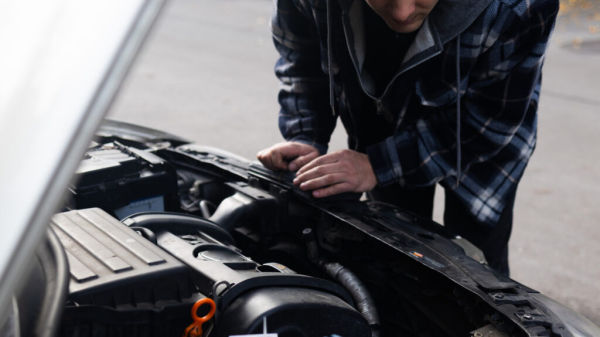
Two years after hitting her with a no, Ford Motor Company did a rare about-face and agreed to replace an Illinois woman’s recalled engine. Back in March 2024, Tanya Washington learned her Ford Focus’s engine was filled with metal flakes and other debris. When the dealership tried to see if a recent recall would cover the work that needed to be done, the company tried to play the blame game instead. Ford denied her claim, then pointed fingers. They told her the junk in her engine was a result of poor maintenance, not a factory defect. She was left to pay the $3,800 bill out of pocket.
But the engine repair didn’t even end up fixing the problem. Lo and behold, the vehicle’s check engine light eventually came back on. Washington went back to the dealership, they ran another diagnosis, and this time, Ford came to a different conclusion: the vehicle did, in fact, qualify for the recall after all. (The same exact one she’d previously been denied for.) Two years after she’d filed her original claim, Washington got the full engine replacement she’d needed to begin with.
A free engine replacement sounds pretty nice, but Washington said the whole thing is more bittersweet than anything. After all, receiving free work the second time doesn’t totally make up for the financial strain of the first repair.
Why it still feels like too little too late
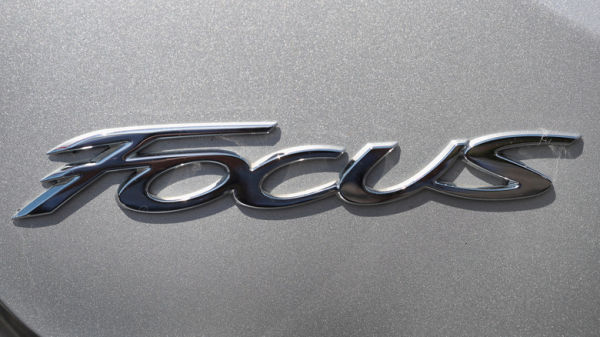
Ford could have spared Washington from the entire ordeal if the company had just approved the repair the first time. (The company has had numerous recalls in 2026 so far, so it’s not like it’s some foreign concept.) The discrepancy between the original assessment and the later approval certainly raises some questions about recall eligibility and how it’s even determined. How could there be such a drastic change of tune between the first assessment and the second? What are you supposed to do when your car gets recalled? Who’s in charge of making these decisions, and who’s responsible for revisiting them when symptoms persist, even after repairs? It sounds like a complete mess.
Still, Washington’s glad not to have to shell out even more for the full engine replacement. Those can range from $6,000 to $15,000 on average. It does make you wonder, though: Is there anyone out there who wasn’t so lucky? Anyone who had to cover the cost of that replacement when the first fix didn’t work and the recall claim got denied? Even though the Ford Focus has been discontinued, Washington can’t be the only one still driving one. Unfortunately, Ford didn’t respond to a local news outlet’s request for comment, which is ironic, considering this whole thing seems to be about miscommunication and lack of clarity.