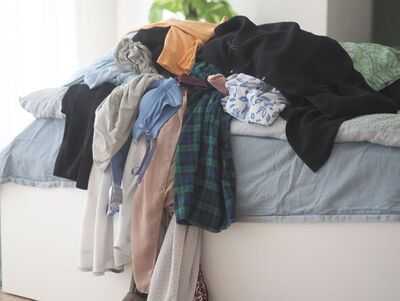
People in the UK are being warned that their clothes could lead to the spread of illness around the home. Some viruses may be able to survive on fabrics for weeks - even after being washed at 60°C.
Every day laundry habits might not be able to eliminate harmful microbes, especially during periods of seasonal illness, according to the experts at Hotpoint. One of the key concerns is norovirus, which can survive on clothing and fabrics for up to a month in almost any condition. Households are being urged to change up their routines if they want to stay as safe as possible from bugs.
Adam Norris, senior product manager at Hotpoint, said: "Clothing can quickly become a breeding ground for bacteria when it comes into contact with contaminated surfaces or picks up germs from the air. Add moisture or sweat, and microbes can become trapped deep within the fibres.
"Add sweat or humidity to the mix, and microbes can become trapped deep within the fibres."
The material of your clothes also plays a part. Synthetic fabrics like polyester allow viruses to live longer, compared to natural fibres such as cotton or wool.
"The oily nature of synthetic fabrics, made from petrochemicals, means microbes cling on more easily and multiply faster," Adam added.
While most respiratory viruses spread mainly through airborne particles, norovirus is different. This stomach bug can survive on fabric for up to a month, making contaminated clothing a greater transmission risk.
But washing clothes properly kills the vast majority of viruses and bacteria without requiring complicated routines.
One of the key things to do is look for laundry products containing lipase enzymes, which actively break down microbial structures during washing.
You should also try to separate your washing, placing items of clothing worn by unwell members of the family in a separate wash to stop the bacteria from spreading across the entire load.
And if your machine is full of bacteria, washing clothes properly won't cut it. The rubber door seal needs the most frequent attention, as this area of your appliance can trap moisture and debris, allowing microbes to flourish.
"Wipe the seal clean after every wash using a hot cloth with antibacterial spray or white vinegar," Adam said. "This prevents bacteria building up in an area that comes into direct contact with your laundry."
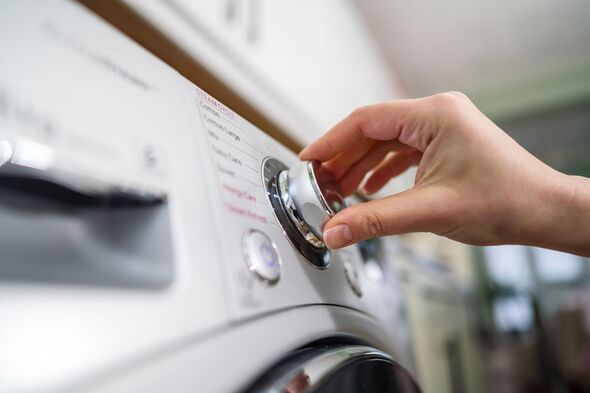
Regular maintenance matters too, and most modern washing machines have a dedicated 'machine clean' cycle to keep your appliance running smoothly.
You should aldo clean your detergent drawer every five washes to prevent residue building up, and check the filter quarterly to maintain efficient drainage.