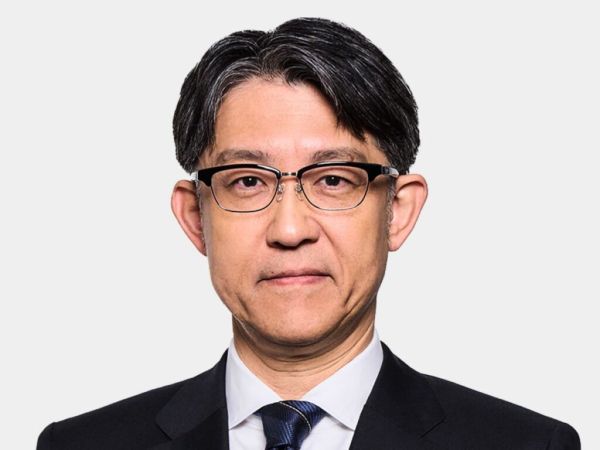
When the CEO of Toyota Motor Corporation warns about survival, it’s not just routine corporate caution, it’s a signal that the industry itself is under pressure.
Known for its disciplined, risk-averse approach and the globally admired Toyota Production System, the company has long been a benchmark for efficiency.
But outgoing CEO Koji Sato has now sounded an unusually stark warning: unless major changes happen, Toyota “will not survive.” The statement came at a high-level supplier summit attended by hundreds of partner companies, making it clear that this was not just internal reflection but a call to action across the entire ecosystem.
Sato’s concern isn’t tied to a single issue. Instead, it reflects a convergence of challenges reshaping the global auto industry.
From rising competition by Chinese automakers who are rapidly cutting costs and scaling production to the growing importance of software in vehicles, the traditional rules of the game are changing. Add to that supply chain disruptions, tariffs, and evolving consumer expectations, and the pressure becomes even more intense.
Even for a company that sold over 11 million vehicles last year, these shifts are significant enough to raise existential concerns.
A key concern flagged by Sato is Toyota’s inability to meet demand consistently. Production delays and stoppages often linked to equipment failures or supplier-side quality issues have left customers waiting longer than expected.
For a brand that built its reputation on precision and reliability, these disruptions strike at its core strength. Sato emphasized that improving quality across every stage of production is essential, not optional if Toyota wants to maintain its edge.
Interestingly, part of the transformation may involve loosening some of Toyota’s famously strict standards.
The company is introducing what it calls “Smart Standard Activity,” aimed at reducing over-engineering and cutting unnecessary costs. For decades, Toyota rejected parts for even the smallest imperfections standards that ensured quality but also increased expenses and waste.
Now, the focus is shifting toward balance: maintaining reliability while improving efficiency and reducing production costs.
Sato’s message wasn’t directed at Toyota alone it was meant for its vast network of suppliers. His warning underscored that survival depends on collective improvement, not isolated efforts.
“We are battling for our very survival,” he said, urging partners to boost productivity and rethink how they operate. The message was clear: in today’s rapidly evolving auto landscape, even industry leaders cannot afford complacency.
Incoming CEO Kenta Kon reinforced this reality check. Despite strong sales and profits, he cautioned that Toyota is far from being in a “secure and comfortable position.”
One of his key priorities will be lowering the company’s break-even point and rebuilding its competitive foundation. His remarks suggest continuity in leadership thinking this isn’t a one-off warning, but a long-term strategic concern.
Toyota’s recent history has also added to its challenges. The company faced controversies to engine testing and older crash test data, with chairman Akio Toyoda publicly taking responsibility.
While the company continues to grow and expand its sub-brands like Century and Gazoo Racing, these incidents have exposed vulnerabilities in its processes and reputation.
Toyota’s warning reflects a broader truth about the automotive industry: even the strongest players are navigating unprecedented disruption.
Electrification, digital transformation, and aggressive new competitors especially from China are reshaping the market at a speed few could have predicted.
Sato’s message is ultimately about urgency. For Toyota and its partners, survival will depend on how quickly they can adapt, innovate, and rethink the systems that once made them untouchable.
Vivo X300 Ultra & X300s Launch: 200MP Camera, 7,100mAh Massive Battery, And Snapdragon Processor—Check All Features And Price
Sofia Babu Chacko is a journalist with over five years of experience reporting on Indian politics, crime, human rights, gender issues, and stories about marginalized communities. She believes journalism plays a crucial role in amplifying unheard voices and bringing attention to issues that truly matter. Sofia has contributed articles to The New Indian Express, Youth Ki Awaaz, and Maktoob Media. She is also a recipient of the 2025 Laadli Media Awards for gender sensitivity. Beyond the newsroom, she is a music enthusiast who enjoys singing. Connect with Sofia on X:
The post Toyota In Crisis? Why CEO Koji Sato Issued Dire Warning ‘We Will Not Survive’ Amid Supply Chain Failures And Rising China Competition appeared first on NewsX.