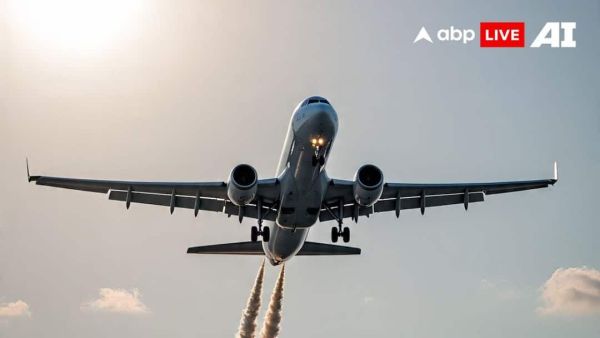
Airfares are set to climb sharply as jet fuel prices surge to record levels amid the ongoing tensions in West Asia, adding fresh pressure on travellers.
The price of Aviation Turbine Fuel (ATF) has more than doubled, crossing the Rs 2 lakh per kilolitre mark for the first time. In Delhi, ATF rates have jumped by over 114%, rising by Rs 1,10,703.08 to Rs 2,07,341.22 per kilolitre, according to state-run fuel retailers.
With fuel accounting for nearly 40% of an airline’s operating costs, the steep hike is expected to directly push up ticket prices. Industry officials say airlines are likely to pass on the increased burden to passengers by raising fares, especially on domestic routes where margins are already tight.
The spike in fuel prices comes at a time when carriers are already grappling with higher expenses due to the West Asia conflict, which began in late February. Airspace restrictions in the region have forced Indian airlines to take longer routes for several international flights, increasing fuel consumption and operational costs.
Fuel retailers such as Indian Oil Corporation, Bharat Petroleum, and Hindustan Petroleum revise ATF and LPG prices at the start of every month based on global benchmarks and currency movements.
Airlines have not yet officially commented on the extent of fare hikes following the latest revision. However, many Indian carriers had already introduced fuel surcharges on tickets last month in response to rising costs.
Global aviation body International Air Transport Association (IATA) has also flagged the trend, noting that airfares are already moving upward due to surging fuel prices and limited capacity. Its Director General, Willie Walsh, said that while the full impact of the West Asia conflict remains uncertain, rising fuel costs are clearly driving ticket prices higher.
IATA represents around 350 airlines worldwide, including Indian carriers such as Air India, IndiGo, Air India Express, and SpiceJet.