India’s transition to a fully digital toll collection system has hit a temporary pause. The central government has postponed the nationwide rollout of a completely cashless toll payment system, which was originally scheduled to begin on April 1, 2026. The new implementation date is now set for May 1, 2026, giving authorities additional time to resolve technical and operational challenges.
Why the Cashless Toll System Has Been DelayedThe move toward a cash-free tolling system was expected to bring a major shift for highway commuters across the country. However, officials have decided to delay the rollout by one month due to unresolved technical issues. According to government sources, infrastructure readiness and system integration challenges at toll plazas played a key role in pushing back the deadline.
The initiative aims to streamline toll payments, reduce congestion at toll plazas, and encourage digital transactions nationwide. While the delay may come as a temporary setback, authorities insist that the system will be fully ready for implementation by May.
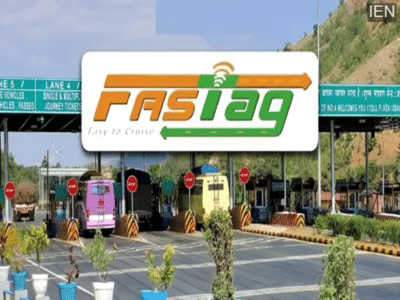
What the New Toll System Will Look LikeOnce implemented, the new system will eliminate cash payments at toll plazas entirely. Motorists will be required to pay toll charges through digital modes only. The primary method will remain FASTag, which uses RFID technology to automatically deduct toll charges from a linked account.
In cases where FASTag fails to function or is not available, commuters will still have alternatives. Payments can be made using UPI, QR codes, or other online payment methods at the toll booth. However, there’s a catch.
Extra Charges for Non-FASTag Digital PaymentsUnder the proposed rules, those who use alternate digital payment methods instead of FASTag may have to pay more. Reports indicate that such transactions could attract a surcharge of up to 25% above the standard toll rate. This move is intended to promote FASTag usage as the primary and most efficient payment method.
New Rules to Protect CommutersAlongside the digital shift, the government has also introduced several consumer-friendly measures to address common complaints related to toll deductions:
The government’s broader goal is to create a seamless, technology-driven highway ecosystem. By removing cash transactions, authorities aim to minimize human intervention, reduce waiting times, and improve transparency in toll collection.
The delay also gives commuters extra time to prepare for the shift. Vehicle owners who have not yet activated FASTag or linked it properly with their bank accounts are encouraged to do so before the new deadline.
What This Means for TravelersFor now, travelers can continue using cash at toll plazas until April 30, 2026. However, from May 1 onward, cash lanes are expected to be phased out completely. Commuters are advised to switch to digital payment methods in advance to avoid inconvenience and additional charges.
Final TakeawayWhile the delay may cause temporary uncertainty, the transition to a cashless toll system marks a significant step toward India’s digital infrastructure goals. With improved refund policies, stricter rules for operators, and multiple payment options, the upcoming system is expected to enhance the overall travel experience on national highways.
As the May 1 deadline approaches, staying prepared with a functional FASTag or digital payment setup will be key to ensuring smooth and hassle-free journeys.