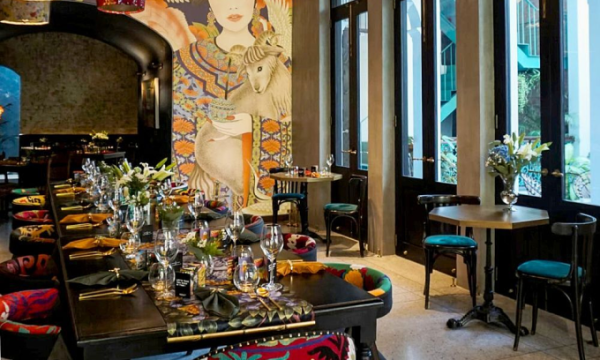
Chef Parkorn Kosiyabong of GOAT, a one-Michelin-star restaurant in Bangkok, said escalating fuel prices have pushed up transportation and ingredient costs while also disrupting reservations, according to The Nation newspaper.
During the first two weeks of the Middle East conflict that began since Feb. 28, cancellations at the restaurant surged to as much as 70%.
The restaurant later showed signs of recovery, supported by diners from nearby markets such as Singapore and Malaysia, allowing it to sustain operations through March.
Foreign visitors typically make up more than 70% of the restaurant’s clientele, but that proportion has recently dropped to around 50%, reflecting softer international travel demand.
Effective March 31, Thailand’s retail diesel price increased by 1.80 baht (US$0.055) per liter, rising to 40.74 baht and surpassing the key 40-baht threshold. The price hike was driven by a sharp surge in global diesel costs, which jumped to around US$238 per barrel, Bangkok Post reported.
Paisarn Cheewinsiriwat of Kaen, one of the Michelin-listed restaurants, said energy costs have risen notably, with oil prices increasing by about 6 baht per liter.
He said the impact on the business had already begun to emerge, though the full extent of the cost burden remains unclear.
The Thai Restaurant Association has called on the government to roll out urgent relief measures to ease the impact of surging oil prices on the food sector, warning that small operators risk being pushed out of business, Thai Enquirer reported.
Industry insiders said higher fuel costs have resulted in fewer tourists, causing a drop in advance bookings by around 20% for some restaurants ahead of the Songkran holiday period.
Between Jan. 1 to March 29, Thailand welcomed 9,174,586 foreign visitors, down 2.29% year-on-year.
The country may receive up to three million fewer foreign visitors in 2026 if the war persists for six months, Natthriya Thaweevong, permanent secretary at the Ministry of Tourism and Sports, said as quoted by Bloomberg.