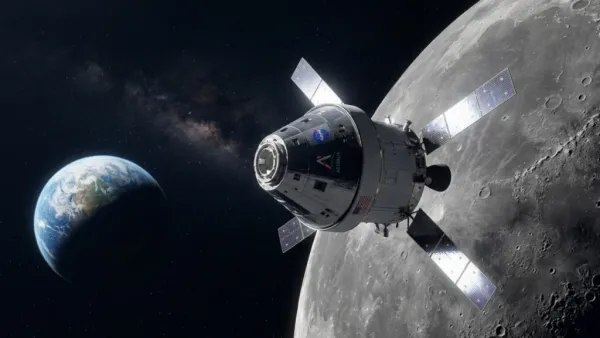
After half a decade, NASA will send humans back towards the Moon with the Artemis II Mission. This launch is marked as the first time since the Apollo era, astronauts will now be able to travel beyond Earth’s low orbit which signals a new phase in space exploration.
Artemis II is the second Mission in NASA’s Artemis program and also will be the first one to carry astronauts. Unlike the earlier space missions, this will not land on the moon’s lunar surface . It will send a crew of four astronauts around the Moon on a space journey and return them safely back to the earth.
This mission is expected to last 10 days and will be testing systems which are needed for enhanced space travel. It is followed by the huge success of Artemis I which was an unprecedented test flight which proved spacecraft can travel to the Moon and return back to the Earth.
The Artemis II Mission will include 4 astronomers named Reid Wiseman, Victor Glover, Christina Koch and Jeremy Hansen. The team signifies a huge step forward in the development and diversification of space exploration. The first woman to travel this far into space, Christina Koch and the first person of color sent on such a mission, Victor Glover.
This mission also includes the first non-American astronaut to go beyond Earth’s Low orbit. This shows NASA’s tremendous effort to showcase space exploration as inclusive and representative of every global community.
The Space Launch System ( SLS ) will be used for this respective mission. It is notably Known As NASA’s most advanced rocket as well as the Orion Spacecraft. SLS is designed to carry astronauts and cargo to the Moon directly in a single Launch and this makes it ideal for such space missions.
Orion, spacecraft being attached to the rocket which will be carrying the crew while providing them with life support ensuring a safe return. These advanced technologies together form the backbone of NASA’S future missions to the Moon.
After the Launch, astronauts will be traveling thousands of miles to space and reaching The Moon. This spacecraft will be on a flyby, circling around the Moon and then eventually return back to Earth using the “free-return” in trajectory. During this journey the crew will be
This mission may break the records for breaking the farthest distance humans had travelled from the Earth.
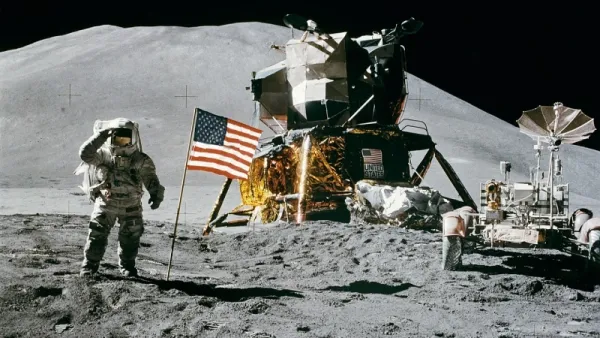
The Artemis II is not just a regular Space mission but holds a crucial significance as it showcases the future of space exploration by humans. The main purpose of this mission is to test systems which will later be used for landing astronauts on the surface of the Moon once again . The plan is to use this program in order to establish an long-term human presence on the Moon ,towards the lunar south pole. This can also lead to the foundation of a permanent base and help NASA prepare for It’s future missions to Mars as well.
This program holds a solid role in the geopolitical field as well. Several countries like China are now focusing on advancing their lunar missions. This leads to an increase in competition to exploration of the moon’s surface. It will limit the potential of utilizing moon’s resources. Artemis II represents the effort of the United States to lead the new space race.
Artemis II also has its own set of challenges and drawbacks . There are several technical Issues like fuel Leaks, and system testing being delayed which pushes The estimated launch of this missions time-line. NASA, however has worked towards resolving these issues in order to ensure safety concerns and regulations for the crew
This marks a Historic moment with the launch of the Artemis II to diversify and innovate the deep space exploration. NASA has been taking major steps towards lunar-landings In The future and for space missions in the long-term. This is not just a space mission but is a representation of global Diversification, progression and development of human beings to exploration beyond Earth’s surface.