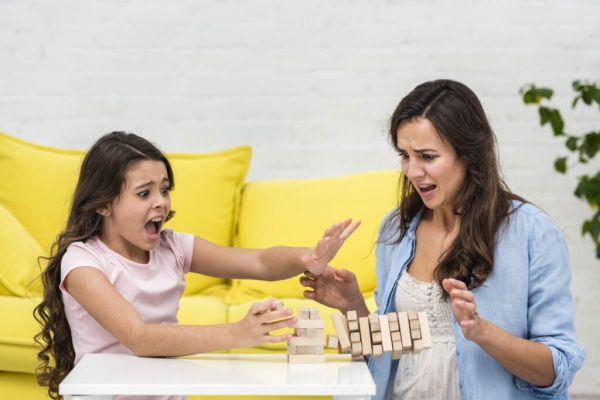
So far the rule was the other way around. If the child was serious, the parents would keep him. He used to teach life by holding his finger. But in China now the direction of the wind is completely different. There the boundary between childhood and old age has become blurred. At the age when children are supposed to play, they are managing the house and household. This new relationship chemistry is called ‘reverse parenting’. Where the younger ones are now teaching the older ones how to ‘grow up’. What are you surprised to hear?
Why this paradox?
China’s corporate culture is very strict. Parents who are tired of broken bones and the extreme rat race of success are becoming mentally devastated. When they return home and collapse in depression, their minor child plays the role of savior. They are not just comforting, but also swaying everything from parents’ careers to lifestyles. China’s longstanding ‘one child policy’ has placed a huge burden of responsibility on children. With no one else to talk to at home, they are forced to become parents’ closest friends and guardians at a very young age.
Mental health awareness among China’s younger generation is on the rise. They see that their parents are harming themselves by getting stuck in the trap of old thinking. So these little ‘guardians’ are counseling the parents, teaching them a new lifestyle. In many cases, the situation is such that the elders are unable to do any work without the permission of the younger ones.
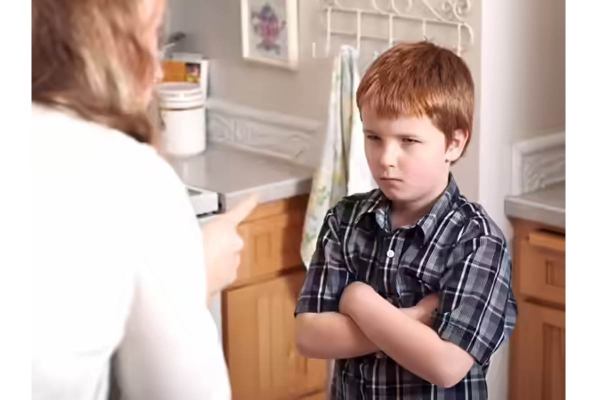
As this trend temporarily eases parental stress, it creates new dangers. Experts believe that parents are becoming increasingly dependent and mentally weak. On the contrary, children are losing their childhood. Instead of growing up with a bat in hand and a bag on their shoulders, they are becoming old before their time. In this strange tension of love, the ‘small’ elders are now showing their strength in China’s interior. This ‘reverse parenting’ may be changing the definition of a known family.