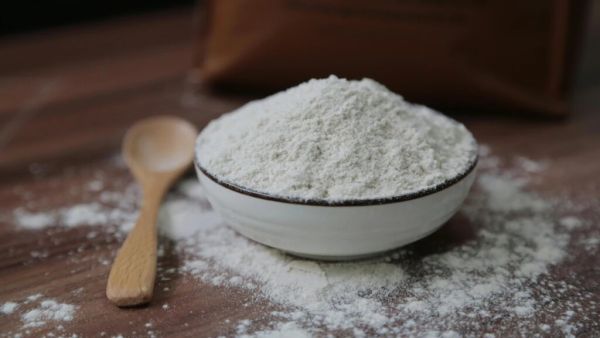
Maida is one of those ingredients most of us consume without thinking twice. It quietly slips into our daily meals through bread, biscuits, noodles, pastries and countless snack foods. While it tastes comforting and familiar, refined flour has also earned a reputation for being hard on digestion and disappointing in terms of nutrition. That is why many people experiment with cutting it out for a short period, often starting with just two weeks. The idea is not instant transformation but noticing small shifts in energy, hunger and overall comfort. So what really happens when you stop eating maida for 14 days? Here is a more balanced, realistic look.
Refined flour lacks fibre, which is essential for smooth digestion. When you quit flour, you often replace it with whole grains, fruits and vegetables that naturally contain fiber. This can reduce bloating, heaviness and sluggish digestion for many people. Some notice fewer episodes of acidity or discomfort after meals. That said, changes may be gradual rather than immediate.
Photo Credit: Unsplash
Maida-based foods are quickly digested and can lead to sharp rises and falls in blood sugar levels. Research published in the American Journal of Clinical Nutrition links refined carbohydrates to higher glycemic responses, which are often followed by energy dips. When you remove these foods, meals tend to include more whole grains, protein and fiber, making them more balanced and filling.
Refined flour is not very satisfying in the long run, which often leads to frequent snacking. After two weeks without flour, you may feel fuller for longer, especially if you are eating whole grains and proteins. Hunger cues often become more predictable and less sudden. This can make it easier to plan meals without constant cravings.
Quitting maida does not automatically lead to weight loss, but it can reduce excess calorie intake from processed foods. Since refined flour snacks are usually high in sugar and fat, cutting them out lowers empty calories. Over two weeks, you may notice a slight reduction in water retention or bloating. Sustainable weight changes depend on overall eating habits, not just one ingredient.
Some people notice minor improvements in skin texture after reducing refined foods. Highly processed diets are often linked to low-grade inflammation in the body, which may show up on the skin as dullness or breakouts. “Refined carbohydrates like maida can trigger insulin spikes, which in turn may increase inflammation and oil production,” says nutritionist Richa Malhotra.
The first few days without flour can feel challenging, especially if bread or bakery items were daily staples. Cravings are common and usually linked to habit rather than true hunger. As the body adjusts, these urges often become easier to manage. By the end of two weeks, many people report feeling less attached to refined foods.
Photo Credit: Unsplash
Disclaimer: This content including advice provides general information only. It is not a substitute for qualified medical opinion. Always consult a specialist or your doctor for personalized dietary guidance. NDTV does not claim responsibility for this information.