Tensions in the Middle East have intensified further after Iran signaled possible retaliatory action by identifying key infrastructure targets across the region. The move comes in the wake of a deadly strike by joint forces from the United States and Israel on a major bridge project near Karaj. According to reports published by Fars News Agency and cited by Anadolu Agency, eight major bridges across the Middle East have been identified as potential targets, suggesting a possible “tit-for-tat” response by Iran’s Islamic Revolutionary Guard Corps.
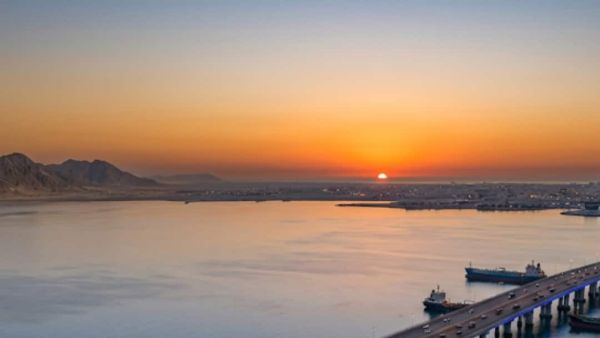
The list includes strategically significant crossings such as Kuwait’s Sheikh Jaber Al-Ahmad Al-Sabah Sea Bridge, multiple bridges in the United Arab Emirates—including Sheikh Zayed, Al Maqta, and Sheikh Khalifa—and the King Fahd Causeway linking Saudi Arabia and Bahrain, reported NDTV.
Also named are Jordan’s King Hussein, Damia, and Abdoun bridges, raising concerns over the vulnerability of critical infrastructure across several nations in the region.
The identification of these structures signals a potential widening of the conflict, with vital transport and economic lifelines now at risk.
On Thursday, a major bridge in Iran’s Alborz province—described as one of the tallest in the region—was partially destroyed in coordinated strikes. The structure, located near Karaj and intended to link it with Tehran, was hit twice within an hour.
Standing at 136 meters, the bridge was still under construction when the attack occurred. Officials confirmed that sections of the structure collapsed, leaving behind significant damage.
The human toll has been severe. At least eight people were killed, including civilians gathered nearby for Nature Day celebrations, while 95 others were injured. The casualty figures rose as emergency teams continued rescue operations. Images shared online revealed large portions of the bridge missing.
Reacting to the strike, Donald Trump shared footage of the destruction and issued a warning to Tehran.
The statement underscored Washington’s hardline stance amid the escalating conflict.
Iranian Foreign Minister Abbas Araghchi strongly criticized the strike, accusing adversaries of targeting civilian infrastructure.
In a post on X, he said such actions would not force Iran into submission and described the attacks as evidence of “the defeat and moral collapse of an enemy in disarray.”
The latest developments come against the backdrop of intensifying hostilities since late February, when joint US-Israeli operations began targeting sites in Iran. The conflict has since claimed over 1,300 lives and triggered retaliatory drone and missile strikes by Tehran against Israeli positions and Gulf states hosting American military bases.