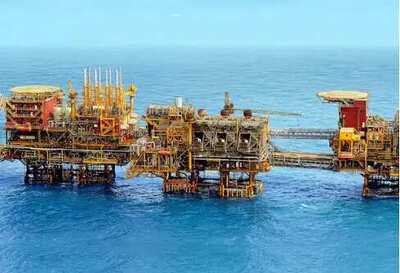

The impact of the ongoing war between Iran and America-Israel is clearly visible on the world oil market. Due to blockage in the Strait of Hormuz, the supply of oil and gas has been affected and prices have increased rapidly. The price of Brent crude reached above $100 per barrel. In such a situation, many countries are using their oil reserves, but China had already made preparations to deal with this crisis.
China is not completely safe from the oil crisis, because it takes more than half of its total oil from the Middle East. In 2025, China will buy about 1.4 million barrels of oil every day from Iran, which is a large part of its total imports. But China had already started work on energy security. In 2021, Chinese President Xi Jinping had said that the country will handle its own energy needs.
According to Al Jazeera report, teapot refineries are small and private oil refineries, mostly found in Shandong province. These are called teapots because their size is small. These refineries buy cheap and banned oil from Iran, Russia and Venezuela despite sanctions from Western countries. Big government companies do not take such risks, so this work is done by small refineries.
These refineries had already created reserves by purchasing cheap oil, due to which China did not face much trouble in the beginning. By the beginning of 2026, China had oil reserves of about 1.2 billion barrels, which can last for about 109 days. Apart from this, China also imports oil through shadow fleet i.e. old and unidentified ships, which help in avoiding sanctions.
Experts say that this system will not always work. China's oil imports declined to 10.19 million barrels per day in March. There may be a further decline in it in April, because the supply from the Middle East is decreasing. Teapot refineries also cannot buy expensive oil for long, because their profits are very low.
China has also increased oil imports from Russia through pipeline. Other than this iran Has allowed countries like China, India and Malaysia to pass through Hormuz on a limited basis. Some Chinese ships have passed through this route, but about 2000 ships are still stranded there.
China has mitigated the impact of this crisis by accumulating oil reserves in advance, finding cheap oil alternatives and using teapot refineries. Although this is not a complete solution, China has got more time than other countries to avoid the oil crisis.