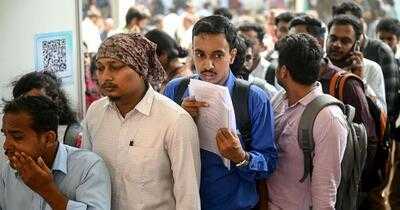
India is approaching the peak of its demographic dividend – the share of its working-age population is expected to begin declining after 2030. Whether that dividend translates into economic gains depends on how well the country absorbs its young, increasingly educated workforce into the labour market.
A new report finds that young Indians are more educated than ever, that gender- and caste-based gaps have narrowed, and that young Scheduled Caste and Scheduled Tribe workers are breaking away from occupations traditionally associated with their communities.
But it also uncovers troubling signs: young men withdrawing from education, graduate earnings stagnating, and most new jobs being created in agriculture, a sector that contributes least to output and earnings.
Rosa Abraham is associate professor of economics at Azim Premji University and lead author of the State of Working India 2026 report, which traces four decades of data on youth employment and education.
Abraham heads the Centre for Sustainable Employment at the University. Her research focuses on informal work and women’s employment with particular interest in issues at the intersection of labour statistics and women’s work.
In an email interview, Abraham discusses what the data reveal about India’s labour market, the structural barriers that persist, and what it means for a country that has less than a...
Read more