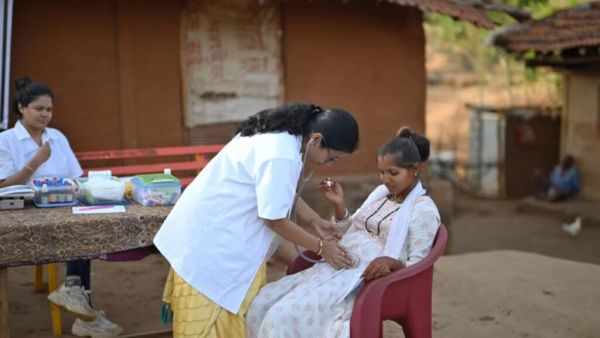
Climate change is an important factor behind the growing problem of malnutrition, and it has been observed that it has a direct impact on the health of pregnant women and children. The workshop, jointly organized by UNICEF India and the Office of Letters of Instruction, highlighted the interrelationship between maternal nutrition, early childhood development and climate change.(Photo courtesy – istock)
Family time is important! From mental health to longevity… Do you know the benefits of spending time with family?
In Maharashtra, droughts, heat waves and agricultural crises have particularly adversely affected pregnant women in tribal areas, families in urban slums and women in agricultural districts. Rising food prices are reducing dietary diversity, exacerbating nutritional deficits. According to experts, nutrition in the early stages of pregnancy is very important for the brain and physical development of the baby. If there is a lack of nutrition during this period, the risk of non-communicable diseases like diabetes, high blood pressure, heart disease increases in the future. It also increases the risk of obesity, insulin resistance and mental illness.
Health Tips: Simple lifestyle changes can prevent diabetes, obesity and high blood pressure, important advice from experts
Experts explained that if a pregnant woman suffers from food insecurity, mental stress or physical fatigue, her baby’s health can be affected in the long term. He also noted that the period from preconception to the first 1,000 days after birth lays the foundation for a child’s health, adding that proper care for maternal and child nutrition can be an effective strategy to combat climate change. This will help stop the vicious cycle of malnutrition and reduce future health costs.