UP unveils urban roadmap under Viksit UP 2047 with focus on mobility and livable cities
Indiatimes April 05, 2026 11:40 PM
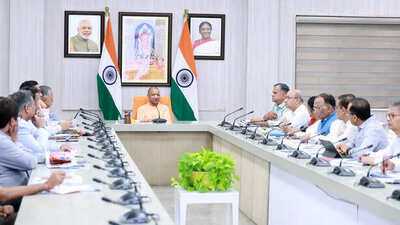 The Uttar Pradesh government has outlined a comprehensive roadmap for urban development as part of its long-term “Viksit UP@2047” vision, aiming to reshape cities into modern, accessible, and sustainable urban centers. Chief Minister Yogi Adityanath reviewed the plan, which focuses on improving quality of life, strengthening civic infrastructure, and enhancing economic activity across urban regions. According to the proposed framework, cities in the state are expected to evolve into key drivers of economic growth while also offering improved living standards. The roadmap emphasizes balanced regional development through the creation of economic hubs aligned with local geography and resources.
As part of this approach, Lucknow is proposed to be developed as a State Capital Region, alongside the establishment of multiple regional economic centers. A significant component of the plan includes the development of a multi-modal transport system integrating metro rail, rapid rail, electric buses, and smart traffic management. The government aims to increase the share of public transport usage to 25 percent, which is expected to address congestion and reduce pollution levels in urban areas. The “Liveable Cities Mission” forms another central aspect of the roadmap. Under this initiative, essential services such as healthcare, education, and marketplaces are intended to be made accessible within a 15-minute radius from residential areas.
This concept is expected to reduce travel time and improve overall convenience for urban residents. To strengthen governance, the plan proposes the adoption of GIS-based property mapping and taxation systems, along with the expansion of Integrated Command and Control Centres for real-time monitoring and coordination. Additionally, all urban local bodies are targeted to deliver 100 percent digital citizen services to improve transparency and efficiency. Environmental sustainability is also a key focus. Measures such as the “Sponge City” initiative, rainwater harvesting, restoration of water bodies, and preservation of natural drainage systems are included to address climate challenges.
Waste-to-energy plants are also planned to reduce landfill dependency. The roadmap further highlights inclusive development through affordable housing initiatives for economically weaker sections and low-income groups. With these combined efforts, the state aims to create cities that are not only economically competitive but also environmentally resilient and socially inclusive by 2047.