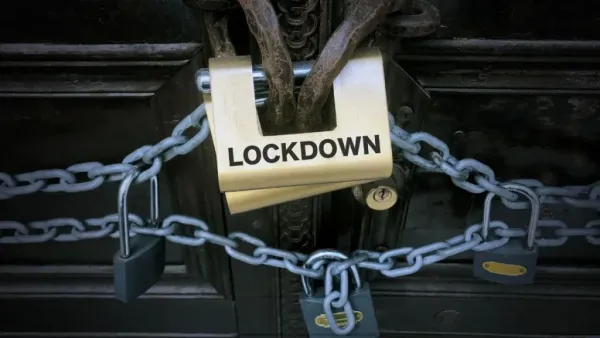
Something is moving through Indian WhatsApp groups at extraordinary speed today. If you have not received it yet, someone in your family probably has. A message, formatted to look like an official government notification, claims that India is imposing a war lockdown in response to the ongoing Iran conflict. It has official-looking language. Some versions carry government ministry logos. Some cite specific order numbers. Some name dates, durations, and restrictions on movement.
Before you read another word, here is the only fact that matters: it is completely fake. There is no war lockdown in India. There has been no such announcement. There will be no such announcement today.
But the more interesting question is why so many people are believing it, sharing it, and panicking over it. And the answer to that question says something important about where India is right now.
Why This Particular Hoax Is Landing Differently
April Fool’s Day hoaxes are a tradition. Fake news about celebrity deaths, fake company announcements, fake product launches. Most of them are obviously jokes and most people treat them that way.
This one is different because it is not arriving in a vacuum. It is arriving on a day when India’s stock market has just surged nearly 2,000 points on ceasefire hopes, when jet fuel prices created chaos this morning before being corrected, when the rupee is at a record low of 95 per dollar, when PM Modi has addressed Parliament about the Iran war’s impact on Indian oil reserves, when every Indian with a smartphone has spent five weeks receiving genuinely alarming news about a conflict that is directly affecting their fuel prices, their flight costs, and their grocery bills.
Into that environment of legitimate anxiety, a fake lockdown notice lands. And it finds purchase because the conditions that would make a lockdown conceivable, an active and escalating war with genuine economic consequences for India, actually exist. The hoax is exploiting real anxiety about a real situation. That is what makes it more dangerous than a typical April Fool’s prank.
What the Message Looks Like
The circulating message typically appears in one of several formats. Some versions are plain text describing a government lockdown order with specific dates. Some versions are formatted as official notices with ministry letterheads and order numbers. Some versions include specific details about essential services being exempt, curfew timings, and penalties for violations, the kind of operational detail that makes a fake notice feel real because it mirrors the structure of genuine COVID-19 lockdown communications that millions of Indians remember from 2020 and 2021.
That COVID memory is not accidental. The fake notice is structurally borrowing the format of a type of government communication that Indians have genuine lived experience receiving and following. It is designed to feel familiar and authoritative. It is neither.
Five Seconds to Verify It Yourself
You do not need to call anyone or wait for official confirmation. Five seconds of checking will tell you everything.
Go to pib.gov.in. That is the Press Information Bureau, the official government communications channel through which every genuine government order of national significance is published. If a war lockdown affecting hundreds of millions of Indians had been announced, it would be the first item on that page. It is not there because no such order exists.
Then check any major national news channel or news website. A genuine war lockdown announcement would be the only story on every channel and every website simultaneously within minutes of being issued. If Times of India, NDTV, The Hindu, and Business Upturn are not all running the same breaking news banner, the announcement did not happen.
The message is on WhatsApp. The lockdown is not on PIB. That is all you need to know.
What Is Actually Happening in India Today
For readers who want the real picture of what April 1, 2026 actually looks like in India, here it is without any April Fool’s ambiguity.
Markets surged nearly 2,000 points today on Iran ceasefire signals from Washington. The government announced that domestic LPG cylinder prices remain unchanged at Rs 913, with OMCs absorbing Rs 380 per cylinder in losses to protect consumers. ATF prices for domestic airlines were revised to reflect a 25 percent increase rather than the 115 percent that initial reports suggested, following government intervention to cap the pass-through. IndiGo appointed British aviation legend Willie Walsh as its new CEO and the stock jumped 8.4 percent. And China and Pakistan put forward a five-point proposal to end the West Asia conflict.
None of these real stories involve a lockdown. India is managing the Iran war’s economic impact through policy tools, diplomatic engagement, and OMC balance sheet support. It is not managing it through restrictions on citizen movement.
The fake message currently on your WhatsApp is not from the government. It is from someone who decided that April Fool’s Day and a war were a combination worth exploiting. Do not give them the satisfaction of a forward.
Business Upturn has confirmed that no war lockdown or movement restriction of any kind has been announced by the Government of India, any state government, or any central ministry as of April 1, 2026. Readers are encouraged to verify all emergency notices at pib.gov.in before sharing. This article is for informational purposes only.