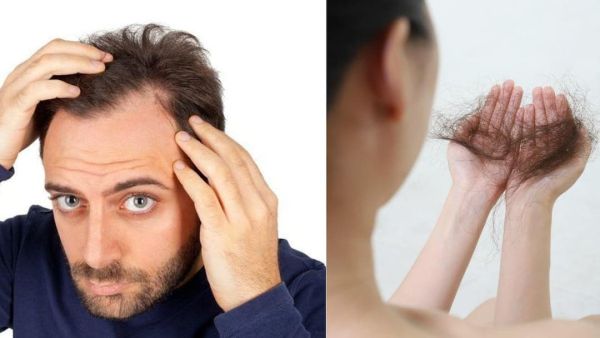
Common Causes Of Excessive Hair Loss
Thyroid Disorders: The thyroid gland controls metabolism and affects many body systems, including hair growth. When the thyroid is overactive or underactive, it disrupts the hair growth cycle, leading to hair thinning or rapid loss. Both hypothyroidism and hyperthyroidism can weaken hair strands and increase shedding.
Alopecia Areata: This is an autoimmune condition where the immune system mistakenly attacks hair follicles. It often causes smooth, round patches of baldness on the scalp or other body parts. Hair loss in alopecia areata can be unpredictable. Some people regrow hair naturally, while others may experience recurrent shedding.
Anaemia (Iron Deficiency): Iron is essential for transporting oxygen and nutrients to hair roots. When your body lacks iron, it prioritises vital organs over hair, slowing hair growth and weakening follicles. This can lead to hair breaking or falling before completing a full growth cycle, especially in women.
Other Health And Lifestyle Factors
Hair loss often has multiple triggers. Hormonal imbalances like those during pregnancy or menopause, stress, and nutritional deficiencies, especially in protein, vitamins, and minerals, can contribute to excessive shedding. Medical conditions, medications, scalp infections, and even emotional shock can also push more hairs into the shedding phase than usual.
When To See A Doctor
Persistent or sudden hair loss deserves medical attention, especially if it’s accompanied by fatigue, weight changes, or other symptoms. A healthcare provider can help identify the exact cause through tests, including thyroid levels, iron status, and hormonal panels, and recommend suitable treatments or lifestyle changes.
Takeaway: Occasional hair fall is normal, but if your hair starts shedding excessively or in clumps, don’t ignore it. Understanding the underlying causes, from thyroid issues to nutrient deficiencies, is key to addressing hair loss effectively and keeping your hair healthy.