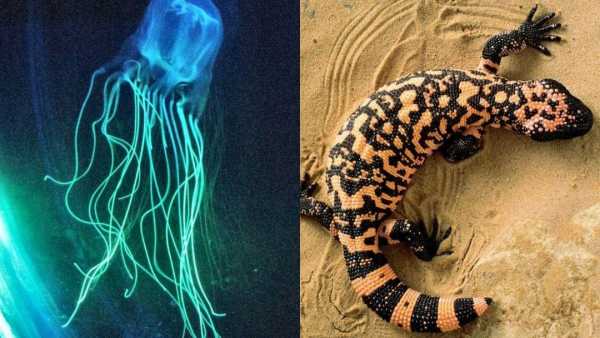
The animal kingdom is full of amazing creatures, but some of them have developed venom to hunt or defend themselves. Venom is a special poison that an animal injects into another through bites, stings, or spines. This is different from poison, which only harms if eaten or touched.
Venomous animals live in oceans, forests, deserts and even on land, and their venom can be incredibly powerful. Scientists study venom not just to understand danger, but also because some toxins help treat human diseases. Below are seven of the most fascinating venomous animals from around the world.
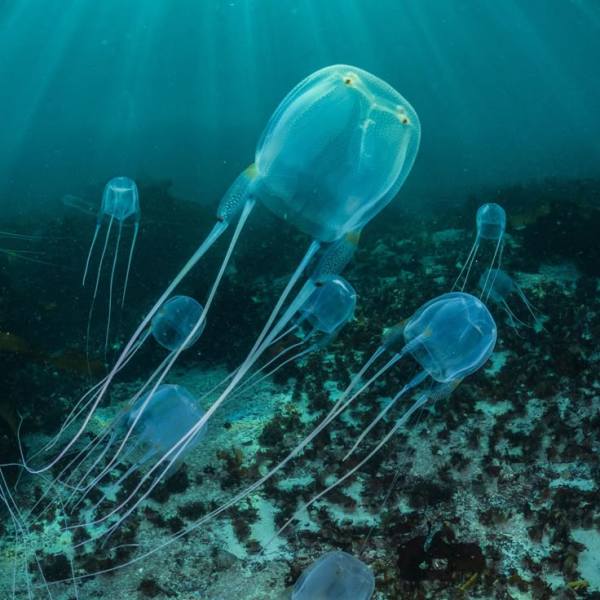
The box jellyfish is often called one of the world’s most venomous animals. It lives in warm coastal waters, especially in the Indo‑Pacific region. Its long tentacles carry thousands of tiny stinging cells full of venom that attack the heart, nervous system and skin cells. A sting can cause severe pain, shock and even death within minutes if not treated quickly. These jellyfish are nearly transparent in water, which makes them hard to see and avoid.
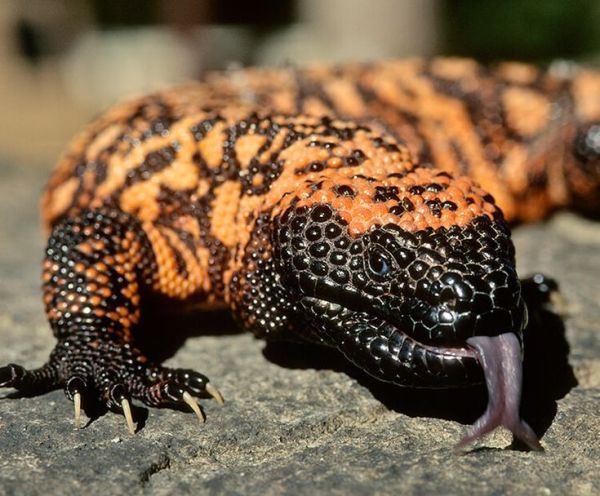
Image credit: Pinterest @Mustard_Girl
The Gila monster is one of the few venomous lizards in the world. Found in the deserts of the USA and Mexico, it looks slow and heavy, but its bite can be extremely painful. Its saliva contains venom that affects the nervous system, though bites rarely kill humans. The pain has been described as intense and burning. Interestingly, scientists have discovered that some compounds in its venom can help treat type 2 diabetes.
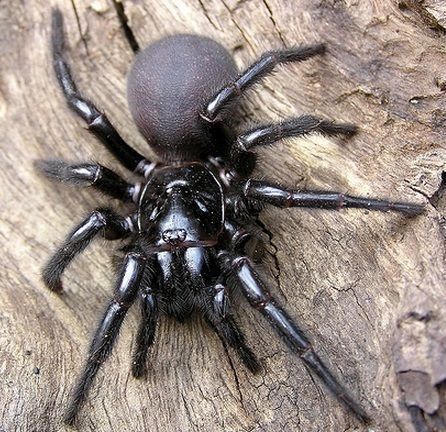
Image credit: Pinterest @Moicano
The Sydney funnel‑web spider is one of the deadliest spiders on Earth. It lives mainly in eastern Australia and is known for its powerful bite and fast‑acting venom. Its venom attacks nervous systems and can be dangerous to humans, especially primates. Without quick medical care, a bite can be very serious. Antivenom developed in the 1980s has made deaths rare, but caution is still necessary if one is encountered.
Cone snails are sea creatures with beautiful spiral shells, but don’t be fooled by their look. They use a harpoon‑like tooth to inject venom into prey. This venom contains powerful toxins that can cause paralysis, vision problems and even death in humans. Most stings occur when divers pick up shells without knowing what’s inside. Some cone snail venom compounds are now studied as non‑opioid painkillers that can be stronger than morphine.
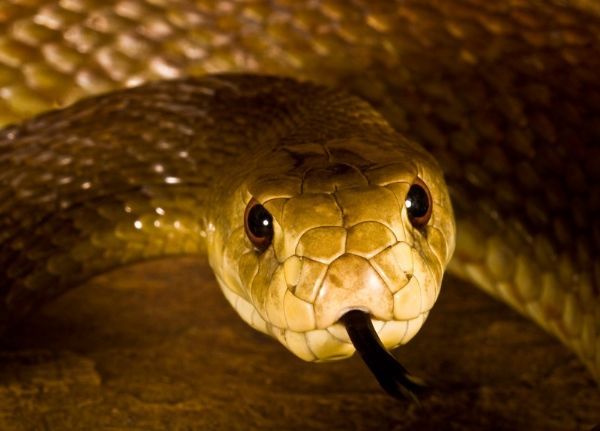
Image credit: Pinterest @Johnny Rook
The inland taipan, native to Australia, is often rated the world’s most venomous snake. Its venom is extremely potent, so much that a single bite could theoretically kill many adult humans. This shy snake rarely meets people, so bites are very rare. Its venom acts fast on the nervous system and blood, making antivenom an essential treatment if bitten. Although it’s called deadly, its reclusive nature means humans seldom encounter it.
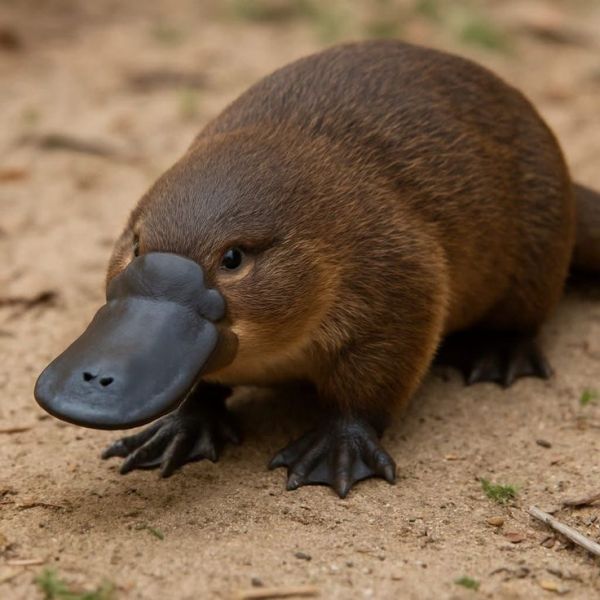
Image credit: Pinterest @Mariëlle de Reus
The platypus may look cute, but male platypuses have venomous ankle spurs that they use to defend themselves. Found in eastern Australia, this unusual mammal also lays eggs. Its venom cannot kill humans, but can cause intense pain and swelling. It’s strong enough to paralyze small animals and is used mainly during fights with other males in the breeding season. This makes the platypus one of the rare venomous mammals on the planet.
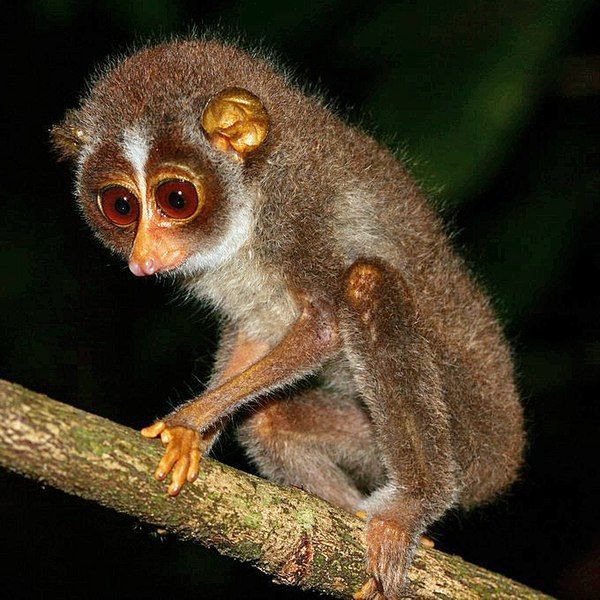
Image credit: Pinterest @Wikimedia Foundation
The slow loris is a small primate found in Southeast Asia, and it’s the only venomous primate known to science. Its venom is unusual because it’s activated when the animal licks a gland on its arm. The venom mixes with its saliva and can be used defensively or during fights with other lorises. A bite can cause severe pain, allergic reactions and even sickness in humans. Sadly, this toxicity also makes slow lorises targeted in the illegal pet trade.