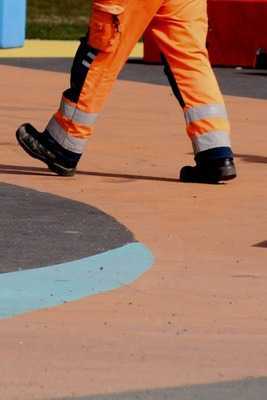
Overlook Boots emphasizes that the Occupational Safety and Health Administration (OSHA) mandates the use of protective footwear in workplaces where there is a risk of foot injuries from falling or rolling objects. This is especially true on construction sites, where properly rated construction safety boots play a vital role in safeguarding workers.
When comparing different types of protective footwear—such as steel toe, alloy toe, and other reinforced designs—manufacturers highlight that each option provides a distinct level of protection depending on jobsite demands. Choosing the right work boots for construction depends on hazard exposure, comfort needs, and environmental conditions.
Key Characteristics and Materials
Modern protective footwear is built using advanced materials engineered for strength, durability, and reduced weight. Reinforced toe caps may include high-strength metals or non-metal composites, while uppers often feature full-grain leather or abrasion-resistant synthetics designed to handle demanding jobsite conditions.
Premium construction work boots are designed not only for impact and compression resistance but also for long hours of standing and walking. High-quality cushioning systems, shock-absorbing midsoles, and supportive outsoles help reduce fatigue throughout the workday.
However, material quality varies by manufacturer. Selecting footwear that meets ASTM standards ensures reliable performance and verified protection.
 pixabay
Safety Standards and Compliance
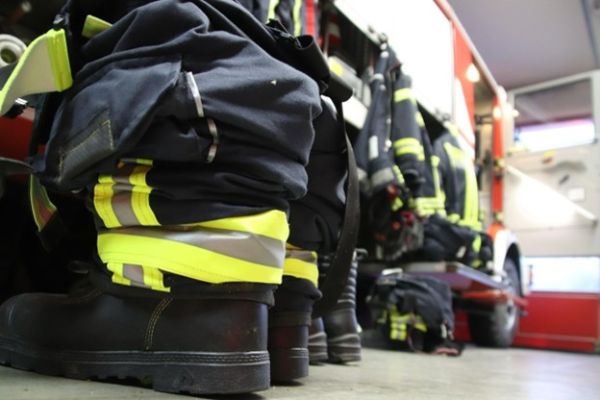
Footwear that complies with ASTM standards includes markings identifying the specific hazards it has been tested against.
According to industry suppliers, any safety-rated footwear that meets ASTM requirements provides adequate impact and compression protection, regardless of toe material. Comfort and weight remain equally important considerations when selecting durable construction boots for everyday wear.
Functionality at the Worksite
Toe protection systems are engineered to withstand heavy impact and compression forces. Some reinforced designs may feel slightly roomier or more structured in the toe area, which workers should consider when selecting footwear for all-day use.
For cold-weather environments, certain materials provide better thermal insulation than traditional metals, helping reduce heat transfer. This makes them suitable for outdoor projects during winter months. Additionally, many protective designs offer resistance to electrical hazards, making them appropriate for electricians and other trade professionals working around live circuits.
Manufacturers now produce waterproof and insulated black construction boots that combine durability with a professional appearance. Dark finishes remain popular because they conceal dirt and wear common on active job sites. Unlike traditional steel-shank footwear, some non-metal options pass more easily through security screenings, which can be beneficial on regulated worksites. YURiNOX work boots for construction are engineered for durability, comfort, and compliance with industry standards. Designed by professionals who understand the demands of physically intensive work, these safety-focused boots are well suited for construction, electrical, and other trade environments where reliable protection and all-day wearability are essential.
 pexels
Who Benefits Most from Safety-Rated Footwear?
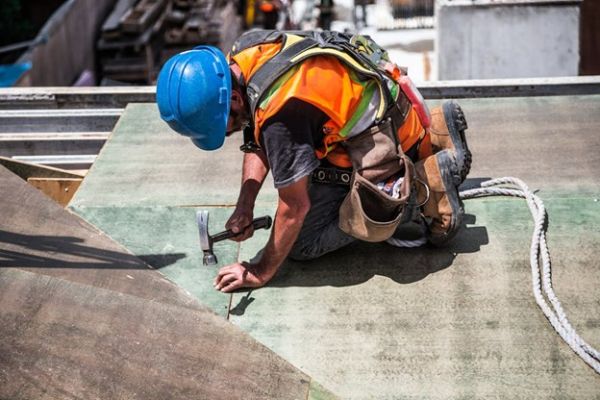
Protective boots are widely used across the construction industry by professionals who spend long hours on active job sites and require dependable foot protection. Electricians, engineers, welders, plumbers, architects, project managers, and general contractors all rely on safety-rated footwear to reduce injury risks while maintaining comfort throughout the workday. Whether handling tools directly or supervising large-scale operations, these roles demand durable, supportive boots that can withstand challenging environments without compromising wearability.