

The predictions of the Indian Meteorological Department (IMD) are proving to be accurate. IMD had issued an alert of heavy rain, storm and hailstorm in many parts of the country between April 7 and 9. The rain on Tuesday has drenched Delhi-NCR. The sudden rain and cold winds in the month of April have surprised everyone. Where there should have been bright sunshine and heat at this time, this changed form of weather is a matter of serious discussion. At present, the wheat crop is ripe and standing in the fields throughout North and Central India. There are also common reports of significant losses to vegetable farming.
In such a situation, it has become important to know why it is raining in the month of April? Why are cold winds blowing? What impact will it have on common people and how much profit and loss will it be to the farmers?
The month of April is traditionally considered the beginning of summer in India. At this time the sun's rays fall directly and heat wave starts. But in recent years, April has seen periods of rain, hailstorm and cold winds. This trend is being seen this year also. There are many scientific reasons behind this and the role of climate change.
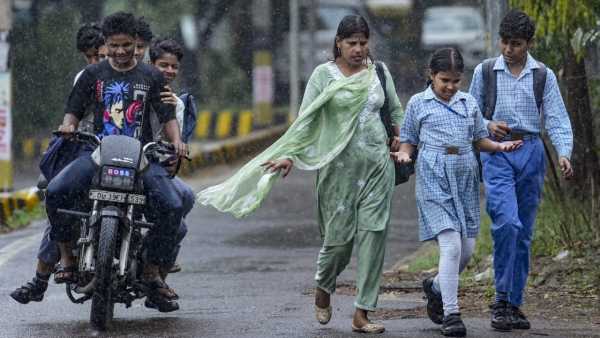
The rainfall in April is surprising.

IMD had issued an alert of heavy rain, storm and hailstorm in many parts of the country between April 7 and 9.
This cold and rain of April is affecting the daily lives of people in many ways. The body is unable to bear the sudden change in weather. The cases of cold, cough, fever and throat infection increase. This is a very challenging time for children and the elderly. School going children and office goers face problems. Traffic in cities is also affected due to power cuts and water logging. The market of soft drinks, ice cream and AC-coolers slows down. People are forced to remove warm clothes again. The crowd of patients in hospitals and private doctors increases.

The sudden rain and cold winds in the month of April have surprised everyone.
The most painful aspect of this unseasonal rain falls on the farmers. April is the time when Rabi crops, especially wheat, are ripe and harvesting begins. Due to strong wind and rain, the standing wheat crop gets scattered in the fields. Due to this the grains turn black. The quality of wheat falls. It becomes difficult to sell such wheat at a reasonable price in the market.
Mustard, gram and pea crops are completely destroyed due to hailstorm. The blossoms of mango, the king of fruits, fall due to which the yield reduces. Farmers who have harvested their crops do not have adequate arrangements to cover their crops. Due to the grain being wet, it is not able to get the right price in the market. The farmer works hard throughout the year and expects his earnings in April. The rain spoils all his hard work, which has a negative impact on the rural economy.
Meteorologist Dr. Anand Sharma says that humans are helpless in front of nature, but the damage can be reduced with preparation. It is the responsibility of the government to ensure that farmers get accurate weather information through radio, TV and mobile. Keep the grains covered with tarpaulin or transport them to safe warehouses. Take advantage of schemes like Pradhan Mantri Fasal Bima Yojana so that the financial loss can be compensated to some extent. To prevent climate change, more and more tree planting is necessary. For this, both people and governments will have to make efforts. Mere paper efforts will not work because trees show results after many years of planting.
In this way, it can be said in SLR words that rain and cold winds in April are not just a change in weather, but it is a warning from nature. We have to be conscious about our environment. The government and society should together help the farmers so that this untimely lashing does not push them into poverty. This pattern of weather reminds us that when we play with nature, nature also loses its balance. Simple living and protection of the environment is the only way to the future.