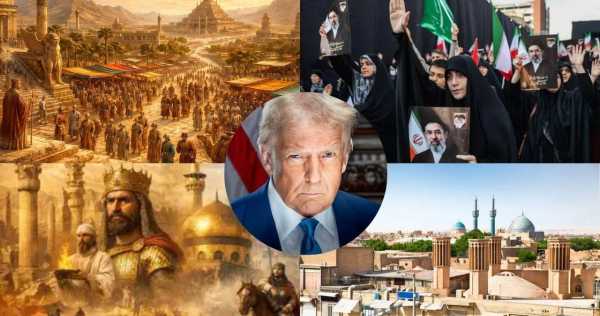
The war continues between America, Israel and Iran. Meanwhile, Trump has given the biggest threat to Iran so far. In a post on his Truth social account on Tuesday night, he talked about the end of the entire civilization. After this, discussion has started regarding Iranian civilization. It is said that the history and civilization of Iran extends from ancient empires to the Islamic era. Persian heritage, culture, religion and politics have together shaped the identity of modern Iran. Today, American President Trump is threatening to destroy this Iranian civilization, which at one time even Rome, Greece and Mongols had tried to destroy. Let us know how old is Iranian civilization?
One of the most ancient and continuously developing civilizations of the world is the civilization of Iran. Even today, Iran holds a special identity at the global level due to its glorious past. Spread over a history of about 5,000 to 10,000 years, this civilization has not only been culturally rich, but has also been a major center of political, religious and social changes. In fact, the roots of Iran's civilization are linked to the ancient human settlements found in the Zagros Mountains of western Iran, where evidence of human life about 1 lakh years old has been found. However, its development as an organized civilization occurred between 30005000 BC. During this period, the Elamite civilization emerged, which is considered the first major civilization of Iran.
Historians say that the Aryans who came from Central Asia around 1500 BC gave a new shape to the social and political structure of Iran. These Aryans further divided into Medes and Persians. The Median Empire (678–550 BC) was the first organized state that defeated the powerful Assyrian Empire. It is said that the Median Empire was a powerful empire, which was founded by the Med tribe. Their capital was Ecbatana (modern Hamadan, Iran). This empire ended after Cyrus the Great defeated the last king, Astyages.
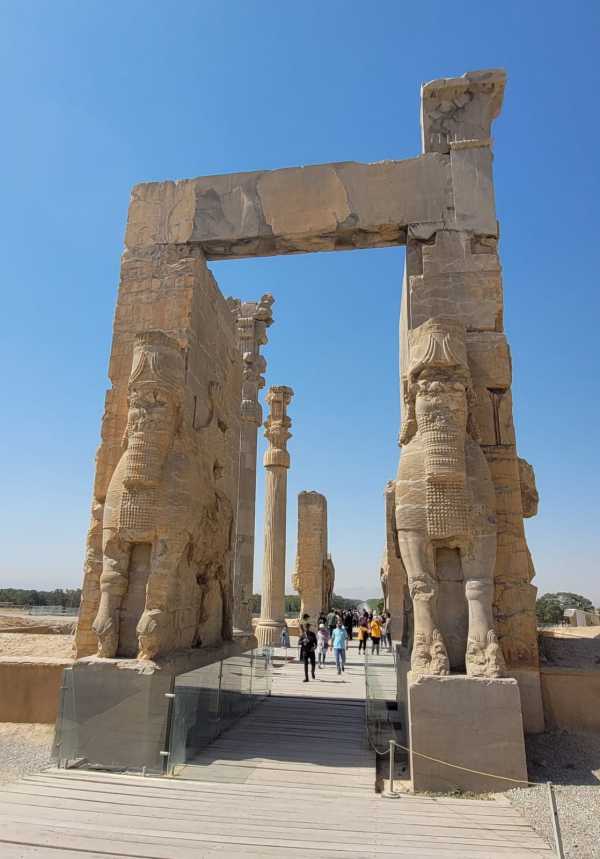
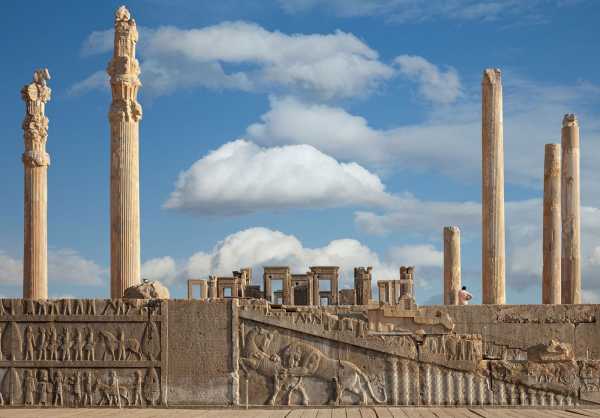
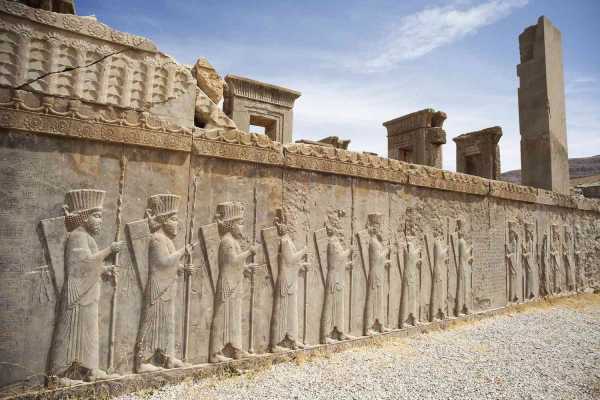
The most important turning point in the history of Iran came when Cyrus the Great established the Achaemenid Empire. This empire was famous for administration, religious tolerance and grand architecture. During this period, magnificent cities like Persepolis were built. It was the largest empire in the world at that time, which extended from the Aegean Sea to the Indus Valley. Cyrus became known for his generosity, religious tolerance and efficient administrative policies. Historians say that in 330 BC, Alexander the Great defeated this empire and ended it.
After the fall of the Achaemenid Empire, the Parthian Empire and then the Sasanian Empire emerged. The Parthian Empire gave a tough challenge to the Roman Empire and promoted trade through the Silk Route. Persian culture, art and education reached its peak during the Sasanian period. Zoroastrianism was the dominant religion at this time, which reinforced the concepts of monotheism and moral conflict.
The Sasanian Empire collapsed with the Arab Muslim invasion in 651 AD and Islam entered Iran. Gradually Islam became the major religion here, but Persian culture did not disappear completely. Rather, a new mixed cultural identity developed along with Islamic influence. Historians say that during this period, local dynasties like the Samani dynasty revived the Persian language and literature. Despite Turkish and Mongol invasions, Iranian civilization remained strong.
The rise of the Samanid dynasty in the 16th century gave a new identity to Iran. This dynasty declared Shia Islam as the state religion, which remains the basis of Iran's religious identity today. At this time, cities like Isfahan emerged as centers of art and architecture. Isfahan is famous for its Persian-Islamic architecture, old bridges, mosques and palaces. It is often referred to as “Nesf-e Jahan” i.e. “Half the World”. People from all over the world come here to see Persian-Islamic architecture.
In the 20th century, there were attempts at modernization under the rule of the Pahlavi dynasty, but this also increased social discontent. After which the Iranian Revolution in 1979 abolished the monarchy and transformed Iran into an Islamic republic. Today's Iran is a unique blend of its rich history and modern political structure. The culture, language, art and architecture here reflect the heritage of thousands of years.
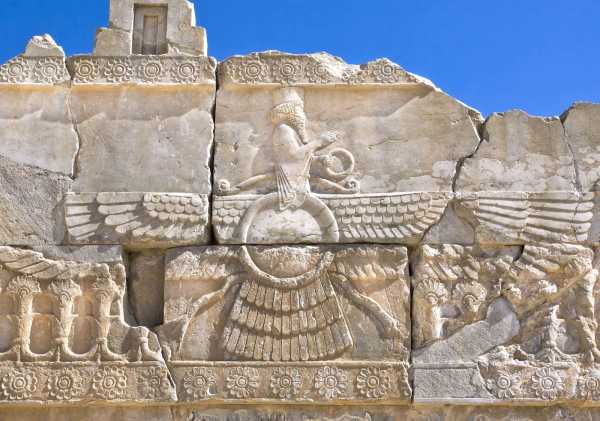
The history of Iran is not only the story of its past, but it also tells the world how a civilization can maintain its identity even while changing with time. Although controversies and tensions remain regarding Iran in global politics, the importance of its civilization is as deep today as it was thousands of years ago.