AI Generated Summary
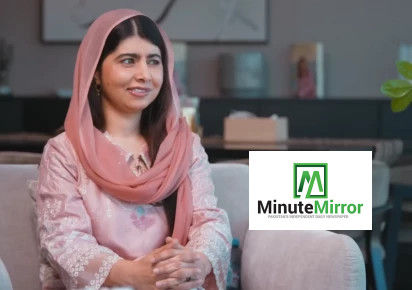
Malala Yousafzai recently responded to online criticism questioning her motives. She appeared on a podcast hosted by Shehzad Roy, where she spoke calmly and confidently about her purpose. Some viewers had claimed that her work serves foreign interests, but Malala explained her mission clearly: it is rooted in education and children’s rights, not politics or outside influence.
She began by recognizing the power of social media. Opinions spread quickly, and people often make assumptions without knowing the full story. Malala emphasized that she understands why many feel passionate about their country and values. At the same time, she firmly rejected false accusations, highlighting her lifelong dedication to the education of children, especially girls.
Reflecting on her personal journey, Malala described how her activism began in childhood. She fought for the right to learn in her homeland and survived a serious attack that threatened her life. That experience strengthened her resolve rather than discouraging her. She clarified that her advocacy has always been about fairness and equal opportunity, not politics or foreign agendas.
Turning to her international work, Malala acknowledged collaborations with global organizations. These partnerships allow her to reach more children and support education worldwide. Nevertheless, she stressed that her loyalty remains with the people she serves, not any outside group. Her decisions are guided by purpose and need, not direction from external sources.
Malala also addressed the criticism she faces. She noted that some groups use labels to damage reputations or spread misunderstanding. Instead of reacting with anger, she responds with facts and clarity, believing that truth strengthens more than rumors ever can. She encouraged audiences to focus on real issues—like children’s lack of access to schooling—rather than personal attacks.
She then shared a personal message about her priorities. Education and peace drive her work. She has no interest in seeking power or politics for their own sake. Malala stressed that learning can reduce inequalities across regions. Critics, she reminded listeners, often overlook the real concern: children who are denied basic rights.
Throughout the discussion, she urged careful thought before spreading claims. Hurtful statements, she explained, can slow progress and harm meaningful work. She also spoke about unity, emphasizing that dialogue, respect, and understanding matter more than conflict.
During the podcast, Shehzad Roy asked thoughtful questions. Malala answered honestly, tackling difficult topics without attacking anyone. Viewers praised her tone, sincerity, and clarity.
In closing, she reaffirmed her commitment to children’s rights and education. Malala promised to continue her advocacy with courage and purpose. She thanked her supporters and encouraged critics to engage fairly. Her message was simple and powerful: she stands for education, opportunity, and human dignity—not personal gain or foreign agendas.
We welcome your contributions! Submit your blogs, opinion pieces, press releases, news story pitches, and news features to opinion@minutemirror.com.pk and minutemirrormail@gmail.com