A fragile two-week ceasefire between the United States and Iran has been agreed, averting an immediate escalation that had threatened to plunge the region deeper into conflict.
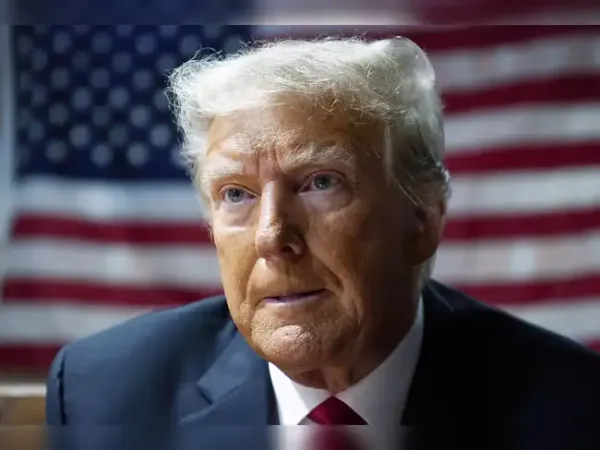
According to the Guardian website, the breakthrough came shortly before President Donald Trump’s self-imposed 8 pm Eastern Time deadline, during which he had warned that failure to comply could trigger strikes on Iranian infrastructure. Trump confirmed the suspension of military action after what he described as a deal that allows diplomacy to proceed.
Under the terms outlined by Trump, the ceasefire is conditional on Iran ensuring the “COMPLETE, IMMEDIATE, and SAFE OPENING of the Strait of Hormuz,” a critical maritime corridor that carries a significant share of global energy shipments. He added that the pause in attacks would last for two weeks to allow negotiations to advance.
“This will be a double sided CEASEFIRE!” he added. “The reason for doing so is that we have already met and exceeded all Military objectives, and are very far along with a definitive Agreement concerning long-term peace with Iran, and PEACE in the Middle East.”
Iran’s response
Iran’s Foreign Minister Abbas Araghchi confirmed Tehran’s agreement to the ceasefire, stating that safe passage through the Strait of Hormuz would be coordinated with Iranian armed forces during this period. The agreement comes after weeks of heightened tensions that had already disrupted shipping through the vital waterway.
The move helped avert a looming strike that, according to reports, had already seen US B-52 bombers en route to Iranian territory.
Earlier, Trump had issued stark warnings on social media, claiming that the situation could destroy an entire civilization. The rhetoric intensified global alarm, with international legal experts and leaders cautioning that planned strikes on infrastructure could violate international law.
The UN Secretary-General António Guterres had also emphasized that attacks on civilian infrastructure are prohibited, adding to growing international pressure as tensions escalated.
Iran strongly condemned the threats. Its representative to the United Nations, Amir-Saeid Iravani, accused the United States of “incitement to war crimes, and potentially genocide,” warning that Tehran would respond with immediate and proportionate measures if attacked.
According to the Guardian website, despite the ceasefire announcement, military activity had already intensified earlier in the day. Israel launched a series of strikes on Iranian targets, including a rail bridge in Kashan, which Iranian state media said resulted in two deaths. Additional strikes reportedly damaged infrastructure near Karaj, Qom, and Tabriz, with power outages following a substation hit.
In parallel, the United States carried out strikes on 50 military targets on Kharg Island, Iran’s primary oil export terminal, marking a significant escalation before the ceasefire took hold.
Iran responded by claiming its Revolutionary Guards had attacked Saudi Arabia’s Jubail petrochemical complex, following earlier strikes on Iranian facilities.
Reports indicate that Israel will also adhere to the two-week ceasefire, provided that the Strait of Hormuz remains open. The agreement, however, remains fragile and conditional, with both sides expected to test its durability in the coming days.
The pause in hostilities offers a narrow window for negotiations over a 10-point proposal put forward by Tehran. Trump described the framework as a potential pathway to a “longterm PEACE with Iran,” though he had previously dismissed the proposal as insufficient.
For now, the ceasefire halts a conflict that had escalated over five weeks, disrupted critical global shipping routes, and drawn in multiple regional powers. The coming two weeks are expected to determine whether diplomacy can prevent a wider war or whether the conflict resumes with greater intensity.
According to the Guardian website, the breakthrough came shortly before President Donald Trump’s self-imposed 8 pm Eastern Time deadline, during which he had warned that failure to comply could trigger strikes on Iranian infrastructure. Trump confirmed the suspension of military action after what he described as a deal that allows diplomacy to proceed.
Under the terms outlined by Trump, the ceasefire is conditional on Iran ensuring the “COMPLETE, IMMEDIATE, and SAFE OPENING of the Strait of Hormuz,” a critical maritime corridor that carries a significant share of global energy shipments. He added that the pause in attacks would last for two weeks to allow negotiations to advance.
“This will be a double sided CEASEFIRE!” he added. “The reason for doing so is that we have already met and exceeded all Military objectives, and are very far along with a definitive Agreement concerning long-term peace with Iran, and PEACE in the Middle East.”
Iran’s response
Iran’s Foreign Minister Abbas Araghchi confirmed Tehran’s agreement to the ceasefire, stating that safe passage through the Strait of Hormuz would be coordinated with Iranian armed forces during this period. The agreement comes after weeks of heightened tensions that had already disrupted shipping through the vital waterway.
The move helped avert a looming strike that, according to reports, had already seen US B-52 bombers en route to Iranian territory.
Earlier, Trump had issued stark warnings on social media, claiming that the situation could destroy an entire civilization. The rhetoric intensified global alarm, with international legal experts and leaders cautioning that planned strikes on infrastructure could violate international law.
The UN Secretary-General António Guterres had also emphasized that attacks on civilian infrastructure are prohibited, adding to growing international pressure as tensions escalated.
Iran strongly condemned the threats. Its representative to the United Nations, Amir-Saeid Iravani, accused the United States of “incitement to war crimes, and potentially genocide,” warning that Tehran would respond with immediate and proportionate measures if attacked.
According to the Guardian website, despite the ceasefire announcement, military activity had already intensified earlier in the day. Israel launched a series of strikes on Iranian targets, including a rail bridge in Kashan, which Iranian state media said resulted in two deaths. Additional strikes reportedly damaged infrastructure near Karaj, Qom, and Tabriz, with power outages following a substation hit.
In parallel, the United States carried out strikes on 50 military targets on Kharg Island, Iran’s primary oil export terminal, marking a significant escalation before the ceasefire took hold.
Iran responded by claiming its Revolutionary Guards had attacked Saudi Arabia’s Jubail petrochemical complex, following earlier strikes on Iranian facilities.
Reports indicate that Israel will also adhere to the two-week ceasefire, provided that the Strait of Hormuz remains open. The agreement, however, remains fragile and conditional, with both sides expected to test its durability in the coming days.
The pause in hostilities offers a narrow window for negotiations over a 10-point proposal put forward by Tehran. Trump described the framework as a potential pathway to a “longterm PEACE with Iran,” though he had previously dismissed the proposal as insufficient.
For now, the ceasefire halts a conflict that had escalated over five weeks, disrupted critical global shipping routes, and drawn in multiple regional powers. The coming two weeks are expected to determine whether diplomacy can prevent a wider war or whether the conflict resumes with greater intensity.