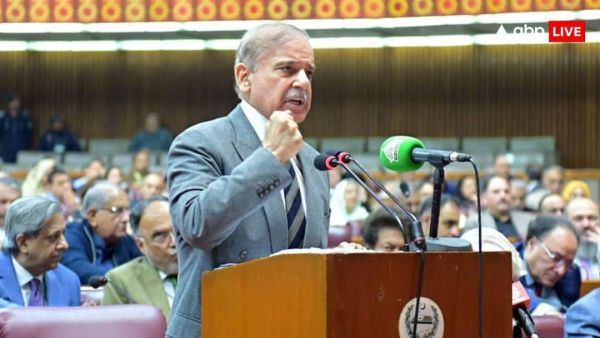
Pakistan Prime Minister Shehbaz Sharif has issued a series of statements thanking multiple countries while promoting Islamabad’s proposed “Islamabad Talks” as a pathway to peace. The remarks come amid ongoing regional tensions and a fragile ceasefire, with Pakistan attempting to position itself as a diplomatic facilitator. While Sharif emphasised international backing for dialogue, observers note the outreach also reflects Islamabad’s effort to shape the narrative and project relevance in a rapidly evolving geopolitical situation.
Sharif publicly acknowledged several countries for supporting ceasefire efforts and diplomatic engagement:
He also thanked the Gulf Cooperation Council and the United States of America, 'crediting' their leadership with enabling conditions for dialogue.
İslamabad Görüşmeleri’ne doğru giderken, ateşkese ulaşılması ve barışçıl diplomatik çabalara kapsamlı ve nihai bir çözüm arama fırsatı tanınması yönünde verdikleri paha biçilmez ve tam destekten dolayı kardeş ülkelerimiz Çin Halk Cumhuriyeti, Suudi Arabistan Krallığı, Türkiye… https://t.co/oUPBt31duP
— Shehbaz Sharif (@CMShehbaz) April 8, 2026
Sharif said he held talks with Masoud Pezeshkian, claiming Tehran had agreed to participate in discussions in Islamabad. He described the move as part of Pakistan’s efforts to advance peace and stability in the region.
I had a warm and substantive conversation with President Masoud Pezeshkian of Iran, this afternoon.
— Shehbaz Sharif (@CMShehbaz) April 8, 2026
I conveyed my deep appreciation for the wisdom and sagacity of the Iranian leadership in accepting Pakistan’s offer to host peace talks in Islamabad later this week to work…
Sharif also thanked global partners for recognising Pakistan’s role, reiterating calls for collective efforts towards a lasting resolution.
The proposed talks, if held, are expected to unfold against a backdrop of cautious diplomacy and competing geopolitical interests, with no clarity yet on whether they can deliver tangible outcomes.