Is Strait of Hormuz open now, and will it be free or $2 million transit fee be charged per ship? The Strait of Hormuz has reopened after a ceasefire between the United States and Iran paused weeks of conflict. The reopening follows disruptions that affected oil shipments and global trade. Hundreds of vessels remain near the waterway as movement slowly resumes. The ceasefire includes a proposal that may allow Iran and Oman to collect transit fees during a two-week period. President Donald Trump confirmed a suspension of US attacks to allow negotiations. The situation has raised questions about shipping costs, regional security, and future control of the route.
Is Strait of Hormuz open now and Will it be free or $2 million transit fee be charged per ship?
The Strait has reopened in a limited way after a two-week ceasefire between the United States and Iran. Initial ship movements are being recorded, but global shipping firms say there is still no full certainty about safe navigation.
Iran has proposed charging ships a transit fee as part of a wider peace framework. The proposed fee could reach $2 million per vessel and may vary by cargo and ship type. This plan has not yet become a universally accepted global rule. Many countries and shipping groups oppose charging tolls in a natural strait and stress the right to free navigation.
Is Strait of Hormuz open now?
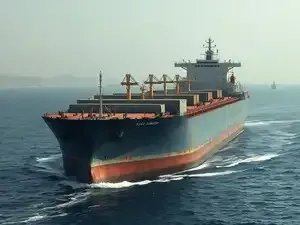
The Strait of Hormuz has reopened after a ceasefire between the United States and Iran. Vessel tracking shows ships moving again after weeks of disruption. Hundreds of tankers and gas carriers remain in the region as traffic slowly returns. The reopening is temporary and linked to ongoing negotiations.
Will it be free or $2 million transit fee be charged per ship?
A proposal under the ceasefire allows Iran and Oman to collect transit fees from ships during a two-week period. Reports say the fee could reach $2 million per vessel and may vary by cargo and ship type. Many countries oppose transit charges and support free navigation. Final rules will depend on negotiations.
Did Donald Trump cede the Strait of Hormuz to Iran?
The ceasefire followed a 40-day conflict that began after US and Israeli strikes on Iran in February. The pause was announced as a two-week suspension of US attacks to allow negotiations.
Reports say the peace proposal includes a framework where Iran would reopen the Strait in exchange for security assurances and sanctions relief. This has led to debate about whether the arrangement gives Iran more control over shipping. However, no global agreement confirms that the Strait has been formally handed over. The situation remains part of ongoing negotiations and talks.
How will Donald Trump let Iran rebuild the country?
Iran’s proposal suggests that transit fees collected from ships could help fund reconstruction after the conflict. The plan states that Iran and Oman may share the revenue from ships passing through the Strait. Iran says this funding would help rebuild infrastructure damaged during the conflict and support recovery efforts.
Did we bomb Iran last night and what happened in Iran today?
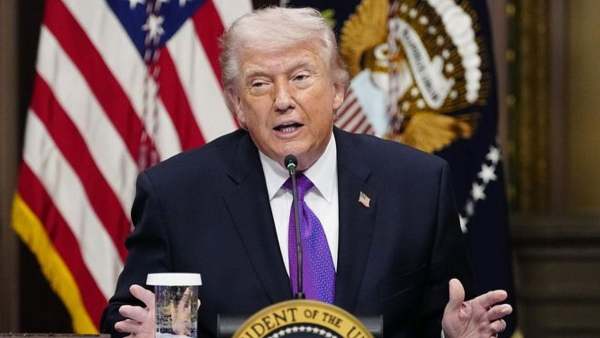
Trump announced a two-week suspension of attacks through Truth Social. The decision followed talks led by Pakistan. Trump said he spoke with Shehbaz Sharif and Asim Munir. He agreed to pause attacks if Iran reopened the strait safely. Trump said Iran offered a 10-point proposal. He said the pause allows negotiations to finalize an agreement.
Strait of Hormuz recent shipping activity restarts
Early data shows vessel movement returning in the Strait of Hormuz. According to MarineTraffic, hundreds of vessels remain in the region.
Data shows:
Many ships had been stranded during the disruption. Initial crossings have started. The bulk carrier NJ Earth crossed at 08:44 UTC. The Liberia-flagged Daytona Beach transited earlier after leaving Bandar Abbas.
Thailand confirmed three deaths after a vessel attack in the strait. This highlights ongoing risks even after reopening.
US Iran ceasefire terms and the $2 million transit fee
The ceasefire includes a proposal allowing Iran and Oman to collect transit fees. Reports say the fee may reach $2 million per ship.
The proposal states:
The conflict lasted 40 days before this pause. During the disruption, attacks on vessels pushed oil prices higher. Some reports say at least one ship paid a similar amount earlier to secure passage.
Why the Strait of Hormuz matters?
The Strait is one of the world’s most important shipping routes. It is about 34 km wide at its narrowest point and connects the Gulf to the Indian Ocean. About one fifth of global oil supply passes through this route. Disruptions in the Strait can affect global oil prices and supply chains.
Can Iran legally charge transit fees?
International law treats natural straits differently from canals. Transit through natural straits is generally free under global maritime rules. Charging fees for passage itself is widely opposed by many countries and shipping groups. However, fees for services such as piloting or safety support may be allowed. This legal debate is likely to continue during negotiations.
Talks planned with Israel
Future talks about the Strait of Hormuz will include the Israel. Discussions are set to begin in Islamabad. The focus includes long-term security and transit rules. The ceasefire aims to move toward a permanent agreement. The talks will also address wider regional issues.
Global reaction to the fee proposal
Gulf countries have opposed any transit fee and called for free navigation. Shipping companies say the ceasefire has not yet provided full maritime certainty. Diplomatic talks are expected to continue as part of a broader settlement.
Comparison with other global waterways
Charging transit fees in natural straits raises legal questions. Man-made canals such as the Suez Canal and Panama Canal charge fees. Natural straits follow different rules. The Turkish Straits allow limited service charges. The Singapore Strait allows free navigation. Other routes face risks. Yemen’s Houthis have targeted shipping near the Bab el‑Mandeb Strait. No threats exist currently at the Strait of Gibraltar or Øresund.
What happens next?
Further negotiations between the United States and Israel are expected soon. The goal is to reach a long-term agreement on the Strait and regional security. For now, the Strait is partially open, but the future of transit fees and long-term rules remains uncertain.
FAQs
Q1. Is Strait of Hormuz open now?
The Strait has reopened after a ceasefire and limited ship movement has resumed. However, full shipping confidence has not returned and companies remain cautious while monitoring security and negotiations.
Q2. Will ships pay $2 million transit fee per ship?
Iran has proposed a fee of up to $2 million per vessel during negotiations. The proposal faces legal and international opposition and is not yet a permanent or globally accepted rule.
Is Strait of Hormuz open now and Will it be free or $2 million transit fee be charged per ship?
The Strait has reopened in a limited way after a two-week ceasefire between the United States and Iran. Initial ship movements are being recorded, but global shipping firms say there is still no full certainty about safe navigation.Iran has proposed charging ships a transit fee as part of a wider peace framework. The proposed fee could reach $2 million per vessel and may vary by cargo and ship type. This plan has not yet become a universally accepted global rule. Many countries and shipping groups oppose charging tolls in a natural strait and stress the right to free navigation.
Is Strait of Hormuz open now?
The Strait of Hormuz has reopened after a ceasefire between the United States and Iran. Vessel tracking shows ships moving again after weeks of disruption. Hundreds of tankers and gas carriers remain in the region as traffic slowly returns. The reopening is temporary and linked to ongoing negotiations.Will it be free or $2 million transit fee be charged per ship?
A proposal under the ceasefire allows Iran and Oman to collect transit fees from ships during a two-week period. Reports say the fee could reach $2 million per vessel and may vary by cargo and ship type. Many countries oppose transit charges and support free navigation. Final rules will depend on negotiations.Did Donald Trump cede the Strait of Hormuz to Iran?
The ceasefire followed a 40-day conflict that began after US and Israeli strikes on Iran in February. The pause was announced as a two-week suspension of US attacks to allow negotiations.Reports say the peace proposal includes a framework where Iran would reopen the Strait in exchange for security assurances and sanctions relief. This has led to debate about whether the arrangement gives Iran more control over shipping. However, no global agreement confirms that the Strait has been formally handed over. The situation remains part of ongoing negotiations and talks.
How will Donald Trump let Iran rebuild the country?
Iran’s proposal suggests that transit fees collected from ships could help fund reconstruction after the conflict. The plan states that Iran and Oman may share the revenue from ships passing through the Strait. Iran says this funding would help rebuild infrastructure damaged during the conflict and support recovery efforts.Did we bomb Iran last night and what happened in Iran today?
Trump announced a two-week suspension of attacks through Truth Social. The decision followed talks led by Pakistan. Trump said he spoke with Shehbaz Sharif and Asim Munir. He agreed to pause attacks if Iran reopened the strait safely. Trump said Iran offered a 10-point proposal. He said the pause allows negotiations to finalize an agreement.Strait of Hormuz recent shipping activity restarts
Early data shows vessel movement returning in the Strait of Hormuz. According to MarineTraffic, hundreds of vessels remain in the region.Data shows:
- 426 tankers
- 34 LPG carriers
- 19 LNG vessels
Many ships had been stranded during the disruption. Initial crossings have started. The bulk carrier NJ Earth crossed at 08:44 UTC. The Liberia-flagged Daytona Beach transited earlier after leaving Bandar Abbas.
Thailand confirmed three deaths after a vessel attack in the strait. This highlights ongoing risks even after reopening.
US Iran ceasefire terms and the $2 million transit fee
The ceasefire includes a proposal allowing Iran and Oman to collect transit fees. Reports say the fee may reach $2 million per ship.The proposal states:
- Fee applies during a two-week ceasefire
- Charges vary by ship type and cargo
- Talks will decide future arrangements
The conflict lasted 40 days before this pause. During the disruption, attacks on vessels pushed oil prices higher. Some reports say at least one ship paid a similar amount earlier to secure passage.
Why the Strait of Hormuz matters?
The Strait is one of the world’s most important shipping routes. It is about 34 km wide at its narrowest point and connects the Gulf to the Indian Ocean. About one fifth of global oil supply passes through this route. Disruptions in the Strait can affect global oil prices and supply chains.Can Iran legally charge transit fees?
International law treats natural straits differently from canals. Transit through natural straits is generally free under global maritime rules. Charging fees for passage itself is widely opposed by many countries and shipping groups. However, fees for services such as piloting or safety support may be allowed. This legal debate is likely to continue during negotiations.Talks planned with Israel
Future talks about the Strait of Hormuz will include the Israel. Discussions are set to begin in Islamabad. The focus includes long-term security and transit rules. The ceasefire aims to move toward a permanent agreement. The talks will also address wider regional issues.Global reaction to the fee proposal
Gulf countries have opposed any transit fee and called for free navigation. Shipping companies say the ceasefire has not yet provided full maritime certainty. Diplomatic talks are expected to continue as part of a broader settlement.Comparison with other global waterways
Charging transit fees in natural straits raises legal questions. Man-made canals such as the Suez Canal and Panama Canal charge fees. Natural straits follow different rules. The Turkish Straits allow limited service charges. The Singapore Strait allows free navigation. Other routes face risks. Yemen’s Houthis have targeted shipping near the Bab el‑Mandeb Strait. No threats exist currently at the Strait of Gibraltar or Øresund.What happens next?
Further negotiations between the United States and Israel are expected soon. The goal is to reach a long-term agreement on the Strait and regional security. For now, the Strait is partially open, but the future of transit fees and long-term rules remains uncertain.FAQs
Q1. Is Strait of Hormuz open now?
The Strait has reopened after a ceasefire and limited ship movement has resumed. However, full shipping confidence has not returned and companies remain cautious while monitoring security and negotiations.
Q2. Will ships pay $2 million transit fee per ship?
Iran has proposed a fee of up to $2 million per vessel during negotiations. The proposal faces legal and international opposition and is not yet a permanent or globally accepted rule.