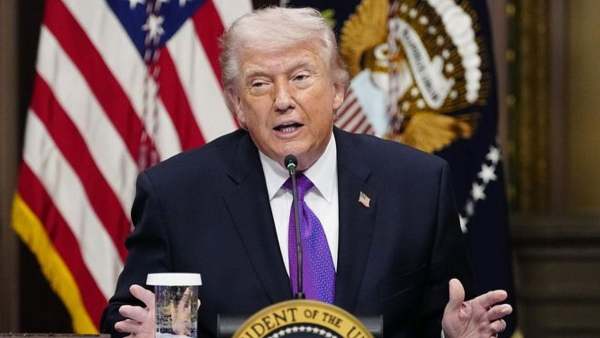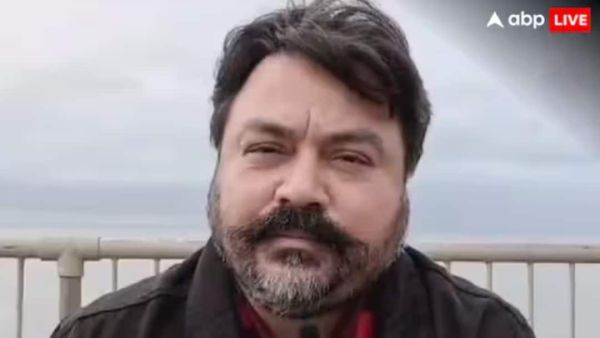
Pakistan Prime Minister Shehbaz Sharif’s social media post seeking a ceasefire extension has triggered controversy, with allegations that it may have been drafted by the United States. The post, published shortly before US President Donald Trump announced a two-week ceasefire with Iran, reportedly contained phrasing suggesting it was a draft message. Retired Pakistani army officer and UK-based journalist Adil Raja told ABP Live the incident exposes deeper structural realities within Pakistan’s power hierarchy and raises questions over the country’s autonomy in key diplomatic engagements.
Speaking to ABP Live, Adil Raja said, “Sometimes mistakes themselves expose the system.” He added that the error in Shehbaz Sharif’s post reflects the functioning of the current regime.
He further said, “The language of the post clearly suggests it was drafted by the United States, and the inclusion of ‘Draft Pakistani Prime Minister X Post’ proves it.”
Raja claimed that the post followed conversations between US President Donald Trump and Pakistan Army Chief Asim Munir.
He told ABP Live, “The draft was prepared by American officials, sent to Munir, then forwarded to Shehbaz Sharif without being reviewed.” He added, “Sharif posted it without properly reading it.”
Questioning Pakistan’s role, Raja said, “Pakistan was not acting as a mediator, but as an efficient postman.”
He added that while Pakistan presents itself as a mediator globally, in reality it was carrying out tasks aligned with US interests. He also referred to former ISI chief Hamid Gul’s remarks, saying such influence over military leadership is not new.
Drawing a comparison with India, Raja said, “In a democracy, the government is accountable to Parliament, including the Lok Sabha.”
He added, “In Pakistan, real power rests with Asim Munir as the de facto ruler, who does not face public or parliamentary accountability.”
Explaining continued US engagement, Raja said, “Different parts of the US system operate independently, including the Pentagon, the President’s office and Congress.”
He added that this allows Washington to maintain pressure while continuing cooperation, despite criticism over Pakistan’s alleged links to terror groups.
Raja further said, “For the past 78 years, the United States has influenced who becomes Pakistan’s army chief.”
He added, “Asim Munir holds the real power in Pakistan, which is why US leadership prefers direct communication with him.”