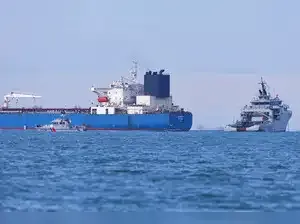
New Delhi: India is pressing Tehran to expedite movement of India-bound oil and gas cargoes so they can be quickly turned around and redeployed to take advantage of the two-week ceasefire window to rebuild fuel stocks, a shipping ministry official said.
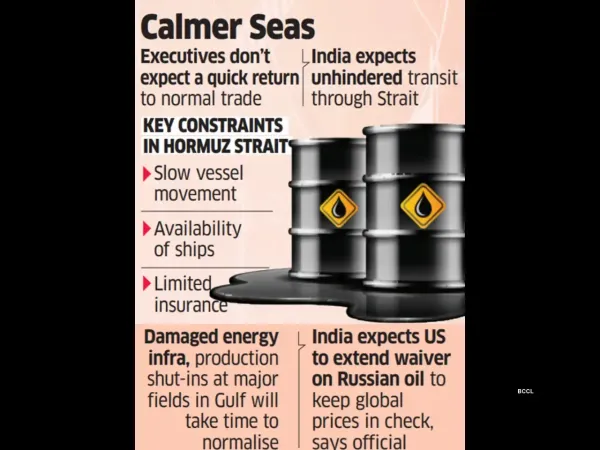
While the ceasefire may hold for now, a return to normal oil trade could take at least three months due to multiple hurdles, including slow vessel movement, limited ship and insurance availability, loading constraints and production shut-ins, industry executives said.
Also Read: Iran shuts Strait of Hormuz amid Israel strikes on Lebanon, hours after ceasefire
Sixteen India-flagged ships remain stranded in the Persian Gulf, while eight LPG carriers have crossed the Strait of Hormuz in recent weeks. Overall, about 800 vessels are caught up in the region, and clearing the backlog will take time.
Indian refiners want to ramp up supplies from the Gulf quickly, but executives cautioned that recovery will be gradual.
"Until a final deal is reached, Iran is unlikely to allow traffic to normalise," an executive said.
Also Read: India set to get first Iranian oil cargo in 7 years
 'India Expects Unimpeded Navigation'
"Until a final deal is reached, Iran is unlikely to allow traffic to normalise," an executive said. "Even if ships move out, sending them back won't be easy due to the risk of getting stranded again and difficulties in securing insurance."
As part of ceasefire negotiations with the US, Iran has proposed a levy on ships transiting the strait.
"We have had no discussion with Iran on this issue," MEA spokesperson Randhir Jaiswal said, adding that India expects unimpeded navigation and global commerce through Hormuz.
Another official said the US position was immaterial, as freedom of movement in international waters is protected by UN conventions.
The ceasefire is unlikely to immediately ease physical supply tightness or soften spot crude prices, executives said. Brent futures fell to $91 on Wednesday, down about $19 after the ceasefire, but refiners have paid $130-140 per barrel in the spot market over the past month.
While the ceasefire may hold for now, a return to normal oil trade could take at least three months due to multiple hurdles, including slow vessel movement, limited ship and insurance availability, loading constraints and production shut-ins, industry executives said.
Also Read: Iran shuts Strait of Hormuz amid Israel strikes on Lebanon, hours after ceasefire
Sixteen India-flagged ships remain stranded in the Persian Gulf, while eight LPG carriers have crossed the Strait of Hormuz in recent weeks. Overall, about 800 vessels are caught up in the region, and clearing the backlog will take time.
Indian refiners want to ramp up supplies from the Gulf quickly, but executives cautioned that recovery will be gradual.
"Until a final deal is reached, Iran is unlikely to allow traffic to normalise," an executive said.
Also Read: India set to get first Iranian oil cargo in 7 years
"Until a final deal is reached, Iran is unlikely to allow traffic to normalise," an executive said. "Even if ships move out, sending them back won't be easy due to the risk of getting stranded again and difficulties in securing insurance."
As part of ceasefire negotiations with the US, Iran has proposed a levy on ships transiting the strait.
"We have had no discussion with Iran on this issue," MEA spokesperson Randhir Jaiswal said, adding that India expects unimpeded navigation and global commerce through Hormuz.
Another official said the US position was immaterial, as freedom of movement in international waters is protected by UN conventions.
The ceasefire is unlikely to immediately ease physical supply tightness or soften spot crude prices, executives said. Brent futures fell to $91 on Wednesday, down about $19 after the ceasefire, but refiners have paid $130-140 per barrel in the spot market over the past month.