FD Interest Rates 2026: After the Reserve Bank of India decided to keep the repo rate unchanged at 5.25%, attention has shifted back to fixed deposit (FD) returns. Investors are now actively comparing banks to identify where they can earn the best interest on their savings.
While the central bank’s decision has brought temporary stability, experts believe FD rates are unlikely to rise immediately. However, future changes cannot be ruled out, making it important for investors to choose the right bank and tenure carefully.
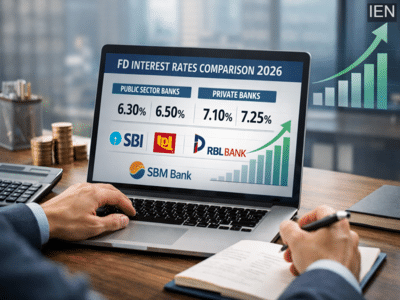
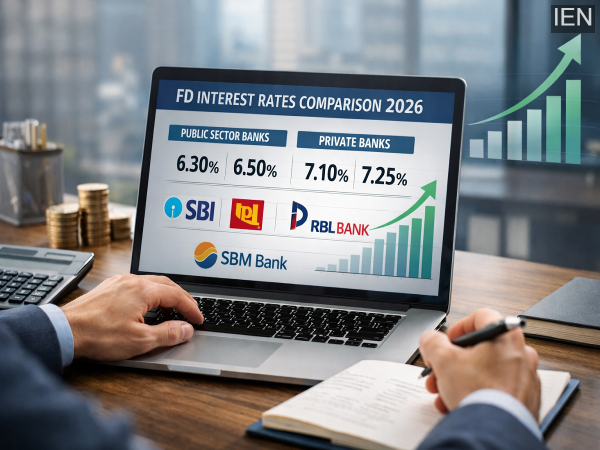
Public Sector Banks: Stable but Moderate ReturnsGovernment-owned banks continue to offer relatively stable FD interest rates, making them a preferred choice for conservative investors seeking safety over high returns.
These rates may not be the highest in the market, but they are considered reliable and low-risk.
Private Banks: Higher Returns for Better YieldPrivate sector banks are currently offering more attractive FD rates, especially for medium-term deposits. This makes them appealing for investors looking to maximize returns.
These higher rates present an opportunity for better returns, though investors should also consider the bank’s credibility and financial stability.
How RBI’s Repo Rate Impacts FD ReturnsThe repo rate—set by the Reserve Bank of India—directly influences borrowing and lending rates across the banking system.
For now, the stable rate environment provides some predictability for depositors.
What Determines FD Interest Rates?FD rates are influenced by multiple factors beyond just the repo rate:
Banks adjust their deposit rates based on these dynamics as well as their internal funding requirements.
Should You Invest in FD Now?With interest rates stable, this could be a good time for risk-averse investors to lock in current FD rates. However, timing and tenure selection remain crucial.
Key tips for investors:Market experts believe that while there is no immediate trigger for a rate hike, changes in inflation or global economic conditions could influence future decisions.
If inflation rises or liquidity tightens, banks may revise FD rates upward. Until then, rates are expected to remain largely stable.
ConclusionThe RBI’s decision to hold the repo rate steady has kept FD interest rates stable across banks. While public sector banks offer safety with moderate returns, private banks are currently leading in terms of higher interest rates.
For investors, this is a crucial time to evaluate options carefully and align FD investments with financial goals and market expectations.