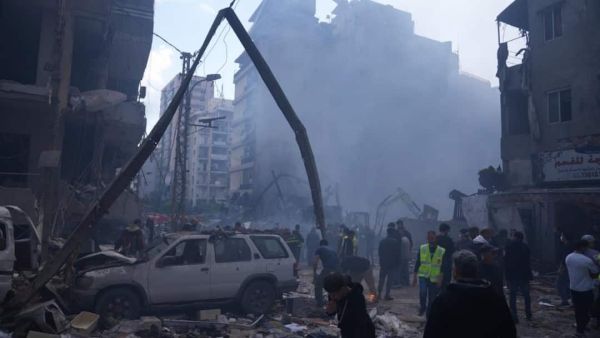
A potential breakthrough may be emerging in the long-running tensions between Lebanon and Israel, as signals of direct negotiations raise cautious hopes of de-escalation. Israeli Prime Minister Benjamin Netanyahu has instructed officials to begin direct talks with Lebanon “as soon as possible” in the United States next week. However, continued Israeli strikes and conflicting political messaging suggest that any progress remains fragile, even as the development intersects with broader US-Iran ceasefire efforts.
The prospect of direct negotiations is being viewed as a significant diplomatic shift. Lebanon had earlier broken a long-standing political taboo by expressing willingness to engage directly with Israel to resolve outstanding disputes.
A confirmed timeline for talks, alongside a halt to Israeli bombardment, forced displacement and military operations, would mark a major step towards de-escalation. Such progress could also reinforce the fragile ceasefire framework involving the United States and Iran.
However, developments on the ground tell a more complex story. Lebanon’s health ministry reported that at least 303 people were killed in a fresh wave of Israeli strikes, with the toll expected to rise further. The continued violence underscores the gap between diplomatic signalling and military realities.
Despite Netanyahu’s push for negotiations, Israel’s Foreign Minister Israel Katz has indicated that military operations will persist, stating that “the war will not be stopped”.
Israel has long demanded the disarming of Hezbollah, a key sticking point in any negotiations. Israeli officials have also accused Lebanon’s leadership of failing to take sufficient action, with previous statements targeting the prime minister for allegedly not doing enough.
The timing of Netanyahu’s announcement is being closely analysed. On one hand, it presents a possible route to de-escalation that could stabilise the wider region. On the other, it allows Israel to frame the Lebanon front separately from its broader confrontation with Iran.
Whether the proposed talks translate into tangible progress will depend on actions on the ground, particularly any reduction in hostilities. For now, the situation remains poised between diplomacy and escalation.