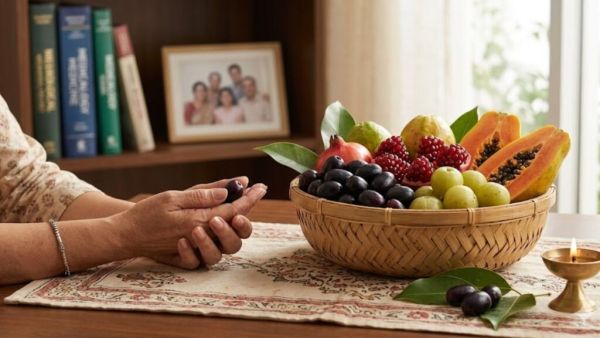
Parkinson’s is a progressive neurological disease that primarily affects movement. The main cause of this disease is the gradual loss of dopamine-producing cells in the brain. Although treatment is primarily focused on controlling symptoms, there is currently growing interest in whether diet, particularly fruit consumption, can help reduce the risk or slow the progression of the disease.
Scientific evidence on this topic is still evolving. Available information is mainly based on observational studies and laboratory research; Concrete clinical trials are still limited. A study by Xiang Gao published in Annals of Neurology in 2012 found that men who consumed the most flavonoids found in the fruit had a lower risk of Parkinson’s. Flavonoids are natural compounds with antioxidant and anti-inflammatory properties that may protect brain cells from damage.
Some animal studies that support this suggest that antioxidants can slow the loss of dopamine-producing neurons, a key feature of Parkinson’s. However, these findings cannot be said to apply directly to humans. So far, no randomized controlled clinical trials have conclusively proven that eating fruit can prevent Parkinson’s disease. Therefore, this evidence, although promising, is preliminary in nature.
Hypersanitary trend or mental illness? What should parents do while teaching children the importance of cleanliness?
In the Indian context, some local fruits are considered to be of research importance as they are rich in antioxidants and flavonoids. Amla (Indian Gooseberry) is notable for its extremely high vitamin C content and has been studied extensively on its neuroprotective properties. Jamun contains anthocyanins, which help reduce oxidative stress in the brain. Along with antioxidants, papaya contains inflammation-controlling enzymes, which may be beneficial for cell health. Guava is a great source of flavonoids and vitamin C, while pomegranate contains polyphenols, which have shown the ability to protect dopamine neurons in animal studies.
Despite all these positive findings, it is important to keep a balanced perspective. Fruit consumption is an important part of a healthy diet and its antioxidants may provide some supportive benefits. However, it is not right to assume that eating fruits alone can prevent or treat Parkinson’s disease. Patients should not rely on dietary remedies as a substitute for medical treatment.
Finally, fruits rich in flavonoids and antioxidants may be beneficial for brain health, but their role in Parkinson’s disease is of a complementary nature. More robust human clinical trials are needed to make firm recommendations on this. Until then, including a variety of fruits in the daily diet is safe and beneficial for health, but they are not a stand-alone solution to neurodegenerative diseases.
Dr. Arjun Shah, Consultant Neurologist/Neurophysician, Saifi Hospital
Skin Care Tips: Mix this yellow substance with a glass of warm milk and drink it, your face will glow like gold overnight.