Iran is considering a proposal to charge transit fees for ships passing through the strategically vital Strait of Hormuz, with payments potentially to be made in its national currency, the rial. The development comes amid Tehran’s broader proposals aimed at ending the ongoing conflict with Israel and the United States.
According to an update shared by Iran’s consulate general in Mumbai, the head of Iran’s Parliament National Security Commission indicated that a parliamentary proposal envisions collecting such fees in rials.
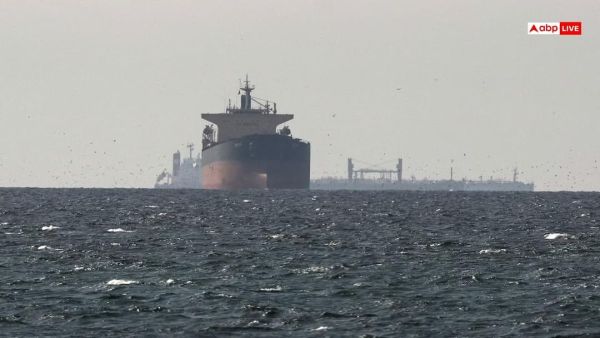
The Strait of Hormuz, a narrow 34-kilometre waterway between Iran and Oman, is one of the world’s most critical maritime corridors. It serves as the primary route for nearly a fifth of global oil supplies, along with other essential goods such as fertilisers.
Iran’s proposal suggests that any long-term peace agreement could include provisions allowing Tehran to levy fees on vessels transiting the strait. A senior Iranian official told Reuters that the charges would vary based on factors such as the type of ship, its cargo and prevailing conditions.
Iran has also been working on a framework with Oman that would require ships to obtain permits and licences before passing through the strait. Deputy Foreign Minister Kazem Gharibabdi said the measure is intended to facilitate, rather than restrict, maritime movement.
Oman has confirmed discussions with Iran on ensuring smooth transit but has not disclosed whether any formal agreement has been reached.
Since the conflict escalated, only a limited number of vessels have navigated the strait, after Iran’s Islamic Revolutionary Guard Corps blocked much of the traffic and reportedly fired on some ships. There have been unconfirmed reports of payments made by vessels to secure passage.
The proposal raises questions about enforcement, particularly given the ongoing hostilities involving Iran, Israel and the United States. Ensuring free passage through the strait could require significant international intervention.
Analysts suggest that China, as the largest importer of energy passing through the route and a country maintaining ties with Iran, could play a crucial role in influencing developments.