World Parkinson Day 2026: Not Just The Elderly Why Parkinson's Is Now Striking Indians In Their 30s And 40s
Vijaya Mishra April 11, 2026 02:11 PM
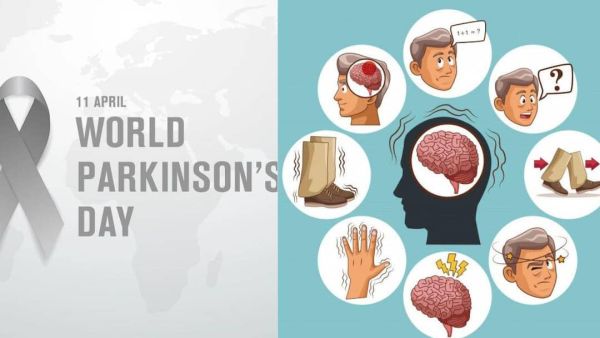
Parkinson’s disease is no longer just an illness of old age. In India, more people in their 30s and 40s are being diagnosed, often while they are still working and leading active lives. This shift is worrying because early symptoms are easy to miss or confuse with stress and lifestyle problems. As a result, many patients do not get timely care. Doctors say awareness is now more important than ever, as early diagnosis can make a big difference in managing the condition. Understanding the warning signs, risk factors, and preventive steps can help families respond better and improve long-term outcomes.
Why Younger Indians Are At Risk
“Parkinson's disease has long been associated with ageing, but clinical patterns across India are shifting,” says Dr Abhijeet Singh Sachan, Senior Consultant, Neurosurgery, Regency Health, Kanpur. He explains that more patients in their 30s and 40s are visiting clinics, and many are initially misdiagnosed with stress or cervical problems.
The exact cause of early-onset Parkinson’s is still unclear. However, doctors believe several factors are involved. Genetic predisposition plays a significant role in younger patients. At the same time, long-term exposure to pesticides and environmental toxins is being closely studied, especially in a country like India where agricultural exposure is common.
Lifestyle factors also add to the risk. Sedentary habits, poor sleep, and high oxidative stress may increase the chances of developing the condition earlier in life.
Early Signs Often Go Unnoticed
Diagnosing younger patients can be challenging because the most well-known symptom, tremor, may appear later. “What makes younger patients harder to diagnose is that the classic tremor often comes later,” says Dr Sachan. Early symptoms are usually subtle and easy to ignore. These include slight stiffness in one arm, slower movements, reduced facial expressions, smaller handwriting, and a soft or monotone voice. Many people mistake these signs for fatigue or anxiety.
Malperus Malpertus
Doctors advise paying attention to persistent stiffness or slowness on one side of the body, noticeable changes in handwriting, reduced blinking, sleep disturbances such as restless movement or active dreaming, and unexplained loss of smell. If these symptoms appear, medical advice should not be delayed.
“Regular aerobic exercise has the strongest evidence for neuroprotection,” Dr Sachan adds. He also recommends a diet rich in antioxidants, proper sleep, and avoiding long-term exposure to pesticides and industrial chemicals. Most importantly, early consultation with a neurologist can improve long-term outcomes. “Earlier intervention means better long-term functional outcomes,” he emphasises.
Fin Fit Studio
Parkinson’s at 35 is no longer rare. Increasing awareness and recognising early symptoms can help people seek timely care and manage the disease more effectively.
The information provided in the article is shared by experts and is intended for general informational purposes only. It is not a substitute for professional medical advice, diagnosis, or treatment. Always seek the advice of your physician or other qualified healthcare provider with any questions you may have regarding a medical condition.