Delhi's Draft EV Policy 2026: The Delhi Government has announced a major push for clean mobility, declaring that all electric cars priced at Rs 30 lakh or below will be exempt from road tax and registration fees in the national capital until March 31, 2030. The move is part of the draft Electric Vehicle (EV) Policy 2026–2030, aimed at accelerating the transition to sustainable transport.
The policy outlines a comprehensive roadmap backed by a financial outlay of Rs 3,954.25 crore, focusing on incentives, infrastructure expansion, and phased electrification across vehicle segments.
At the heart of the policy is a strong incentive framework designed to encourage buyers across categories. In addition to the full waiver on road tax and registration fees for eligible electric cars, the government plans to offer purchase and scrappage benefits for two-wheelers, three-wheelers, and four-wheelers.
Highlighting the scope of the initiative, the government said, as per a report on PTI, "A major provision of Rs 3,954.25 crore has been allocated to promote electric vehicles. Attractive purchase and scrappage incentives will be offered for two-, three-, and four-wheeled electric vehicles. Up to 100% exemption in road tax and registration fees will be provided, and charging infrastructure will be significantly expanded. From 2027, only electric three-wheelers will be registered, and from 2028, only electric two-wheelers will be registered."
This multi-pronged approach is expected to make electric vehicles more affordable and appealing to a wider segment of consumers.
The draft policy sets clear timelines for transitioning different vehicle categories to electric. From 2027 onwards, only electric three-wheelers will be registered in Delhi. A year later, in 2028, the policy mandates that all new two-wheeler registrations must also be electric.
These phased targets indicate a gradual but firm shift toward an all-electric transport ecosystem, aligning with broader environmental goals and efforts to curb pollution in the capital.
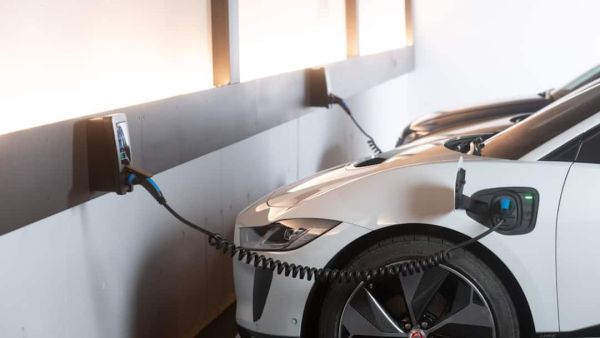
Recognizing that infrastructure is key to EV adoption, the policy also emphasizes a significant expansion of charging facilities across the city. The government aims to build a robust network to support the growing number of electric vehicles, addressing one of the primary concerns among potential buyers.
The 100% waiver on road tax and registration fees will apply to all eligible electric cars registered in Delhi during the policy period, further strengthening the financial case for switching to EVs.
Delhi first introduced its EV policy in August 2020 under the Aam Aadmi Party government as a key initiative to tackle vehicular pollution and promote sustainable mobility. Initially valid for three years, the policy expired in August 2023 but was extended to maintain momentum.
The new draft policy builds on this foundation, aiming to position Delhi as a leader in electric mobility over the coming decade. With strong financial backing and clear targets, the government hopes to accelerate the adoption of cleaner transportation solutions across the city.