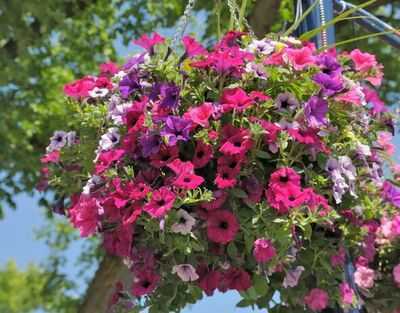
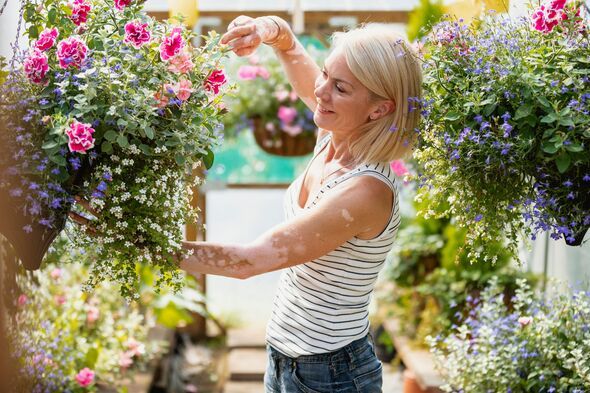
Hanging baskets are a striking garden feature throughout the year, and spring is a good time for a refresh. After a long winter, they bring colour up to eye level and above, making even the smallest spaces feel more inviting. Be it a bare wall, by a door, on a balcony, or in a quiet patio corner, one basket can result in a big transformation.
Choosing your basketThere are more options for hanging baskets than you might first think. Solid-sided baskets are often easier to plant, holding moisture a little better too, which is always helpful once the weather warms. Traditional wire baskets give a classic look, particularly when planting from all sides. Wicker and wooden styles can look striking too, with good drainage. I would suggest going slightly larger than you first think, just to be sure you have enough room for your plants.
Before you plantThe best hanging baskets are built from the compost up. A good peat-free tub and basket compost and wire baskets being lined properly with coir, moss, or jute. Make sure you leave a gap below the rim so the compost will have time to soak into the compost, rather than spilling straight over the edge.
For a basket that looks full, balanced, and thought through, the thriller, filler, and spiller method works wonders. The thriller gives the basket shape and structure, whilst the filler provides the valuable colour in the middle. Finally, the spiller softens the rim, often tumbling over the edges to give the hanging basket a fuller look. It's a simple and effective method, and it makes narrowing down plant choices much easier.
In April, there are plenty of seasonal options for your hanging basket. For a great thriller, I suggest heuchera for rich foliage and structure, or a compact spring heather for some height. For fillers, violas, primroses, bellis, pansies, and polyanthus are reliable and colourful options for a cheerful hanging basket. Lastly, some great spiller choices include ivy or creeping Jenny, both trailing wonderfully to soften your hanging basket's edge and gives them a full look.
A productive alternativeHanging baskets don't just have to be ornamental; they could be productive instead. Strawberries are a great edible choice, suited to basket growing well, as the fruit stays clean and is easy to pick. Alternatively, you could try an herb basket, with thyme looking particularly attractive, trailing over the edge. You could even grow tumbling tomatoes in a hanging basket too, but it's best to wait until mid-May for the most reliable conditions.
Caring for your basketKeeping your hanging basket care regular is the best way to keep them looking their best. Water them thoroughly, especially once the weather warms, and deadhead where needed. Start feeding once plants start growing strongly. To find out a hanging basket watering hack, head to my YouTube channel, @daviddomoney.
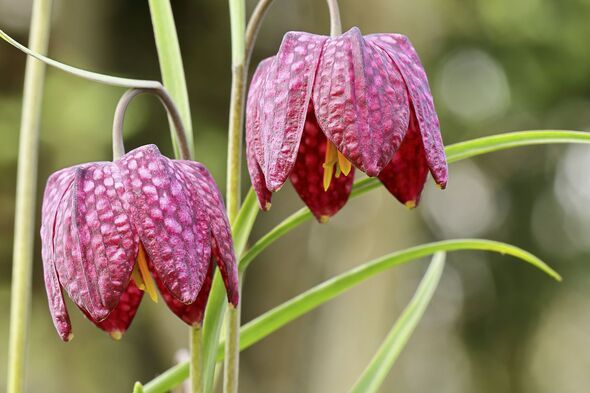 Focus on - Fritillaria meleagris (Snake's head fritillary)
A real showstopper you'll notice appearing in spring is Snake's head fritillary. Their bell-shaped flowers have a lovely, delicate look, whilst being resilient once settled. They flower from March and sometimes through to early May in the right conditions. Tucked into a border, grown in a pot, or naturalised through a lawn, they have a wonderful impact.
The classic purple chequered form is hard to beat, but for a bit of a change, the 'Alba' variety is a lovely alternative. It has white blooms instead and looks particularly elegant in the garden. They look wonderful when planted alongside the classic purple varieties too, for consistent shape but colourful contrast. This time of year, whilst they're in growth, the only attention they need is ensuring they don't dry out.
These plants are quite versatile in their preferred location, but somewhere with well-drained, humus-rich soil with sun or light shade is best. Once they have finished flowering, let the foliage die back naturally, and leave the bulbs undisturbed in their location so they can naturalise over time.
Snake's head fritillaries aren't just attractive, but beneficial too. They are rich in nectar and pollen, so they are a welcome treat for bees and other garden pollinators.
Fun fact: The full Latin name is quite descriptive. Fritillaria comes from fritillus, which is a Roman dice-box. Meleagris refers to the speckled plumage of a guinea fowl. Both are lovely nods to the flower's chequered pattern.
 Five Gardening Jobs
1. To keep your young plants protected from cabbage root fly, slip collars around your newly planted brassicas. This month is when the pests start to make themselves known, and a collar can prevent eggs from being laid at the base of the stem. Making sure the soil is firmed well around the plants will help too.
2. French beans can be sown in modules or small pots now, but as they're quite tender, it's best to start them indoors. Then, they can be planted out after the last risk of frost has passed. For a longer cropping period, try sowing some more in a few weeks too.
3. Now is a great time to start a second, small sowing of lettuce. Little-and-often, every couple of weeks means your crop isn't ready all at the same time, instead coming steadily over a longer period.
4. If you're growing tomatoes, cucumbers, or other hungry plants under cover, it's now a good time to establish a feeding routine, once they are growing strongly. A liquid feed every fortnight is plenty to start with, then you can move onto a high-potash feed once flowering and fruiting begin. You can learn more about feeding in my fertiliser masterclass in episode 9 of Step-by-Step gardening, available on my YouTube channel, @daviddomoney.
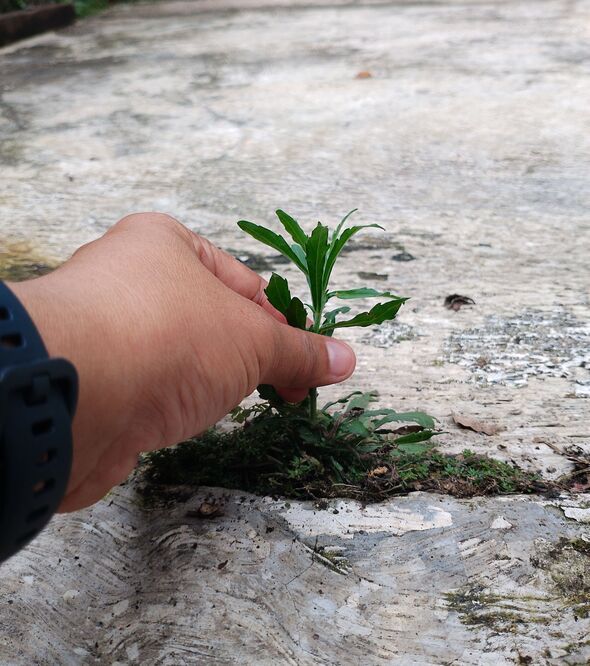
5. To keep your patios and paths looking fresh, weed by hand now whilst everything is still small and easier to manage. In April, weeds aren't quite as settled in, so they can be pulled from paving joints and gravel. Doing this little and often will save you a bigger job later in the season.
Facebook - https://www.facebook.com/DavidDomoneyTV
Instagram - https://www.instagram.com/daviddomoney/
Pinterest - https://www.pinterest.co.uk/daviddomoney/overview/
TikTok - https://www.tiktok.com/@daviddomonry
Did you know?Bluebells are wrapped up in folklore. One old tradition warned that bluebell woods were filled with fairy enchantment, and that picking the flowers might mean fairies led you astray. Bluebells are protected too, so wild bluebells should be admired where they grow, never dug up.
Wild garlic's Latin name, Allium ursinum, links back to bears. Ursinum literally means 'bear's', linked to the old belief that bears actually ate the bulbs, also why it is known as bear's garlic.
London plane became a favourite street tree as it copes very well with difficult city conditions, including pollution, drought, pruning, and compacted soil. The tree can handle it far better than many other plants, which is why it has become such a familiar sight in towns.
Barberry flowers have a clever trick: when an insect touches the stamens, they snap inward and dust it with pollen, making pollination much more efficient.