
Meandering through charity shops, checking out bits and bobs may well be one of the country's favourite pastimes. Hours spent sifting through racks and shelves brimming with hidden treasures being sold at super affordable prices - what's not to love?
Not only are charity shops affordable, but buying pre-loved items ensures you're doing your bit for our planet's sustainability.
While the organised clutter of these little shopping havens can feel soothing to some, to others it may feel overwhelming to make sense of all the sundries in a charity shop.
Amidst all this, it's all too likely shoppers miss out on some hidden treasures. Items that, with a little bit of love and TLC, can be restored to their original state and give buyers value much beyond their actual expenditure.
The next time you visit a charity shop, make sure to look out for these four hidden treasures which can give you a bang for your buck with simple restorative measures.
 Cloudy Glassware
Crystalware is one of the top affordable finds of a charity shop, with well-priced tumblers, vases, flutes and bowls often found lining the shelves of these shopping havens.
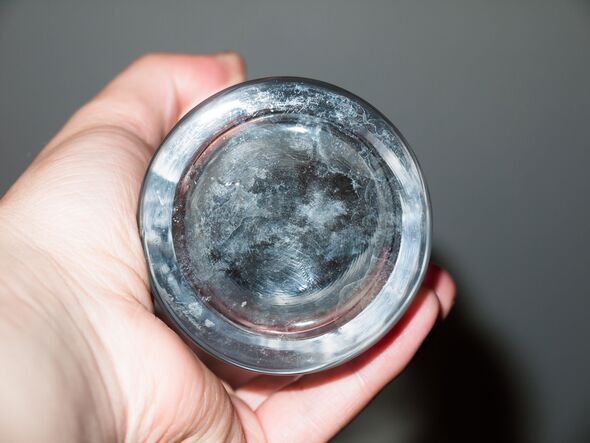
Oftentimes, crystalware being sold in charity shops appears cloudy and dirty, and there's a very simple reason behind that. What's more, there's an even easier fix.
Cloudy glassware most often has a singular culprit - limescale. Due to regular exposure to hard water - a reality of many regions in the UK - pre-loved glassware being sold in charity shops appears cloudy and feels rough.
Cleaning it couldn't be simpler: avoid the dishwasher when it comes to crystalware and instead soak your cloudy glassware in a strong citric acid solution for a few hours.
Another effective solution is a mix of half distilled white vinegar and half warm water. Rinse and clean your glassware thoroughly once the limescale has dissolved.
In case your crystalware charity shop find has small scratches on it, use the very fine 0000 grade steel wool to gently buff them out - remember to work in circular motions.
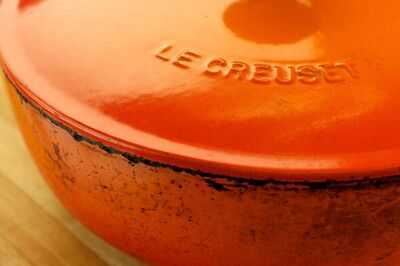
Cast iron cookware can last a lifetime, especially Le Creuset's iconic (and pricey) pots and pans. However, it's (understandably) hard to feel excited when you discover the Le Creuset cookware you just spotted in a charity shop has a burnt-to-the-crisp base.
If that's the case - don't lose hope just yet. Singed Le Creusets can be salvaged, as long as the enamel hasn't been damaged. A good way to check for that is to run your fingers over the dish's cooking surface and feel for any cracks, chips or major inconsistencies. If everything checks out, your Le Creuset charity shop treasure can most likely be saved at home.
To salvage your (affordable - gasp) Le Creuset cookware, fill the dish with just enough water to completely soak and submerge the burnt bits, then throw in a dishwasher tablet and put the pot on a simmer for 10-20 minutes. By the end of it, the water inside should resemble gravy.
Let it cool, then use a nylon brush and soapy water to rinse and scrub. Repeat this process multiple times, depending on how tough the singe is to get off. A bicarb paste can be rubbed on marks present on the outer surface of the cookware (let it sit for at least an hour and scrub off if required).
 Tarnished Silver pieces
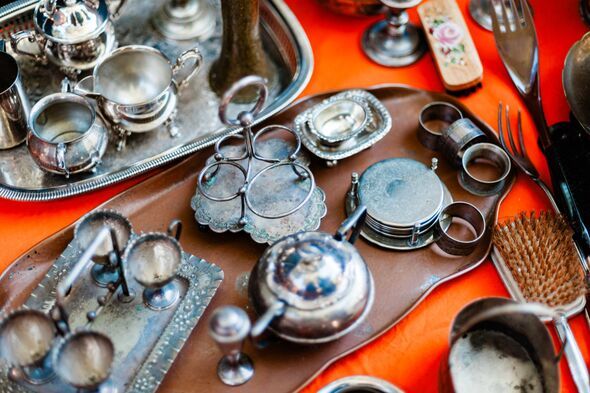
Unspoken rule of a charity shop: have tons of silver bits and bobs strewn around the premises, and more often than not, they are tarnished.
Don't lose hope if you spot a silver trinket you really like in a charity shop or at an auction and it's not gleaming like you'd hoped - there's a super easy fix for tarnished silver.
First thing's first, ensure the item is real silver - look for a stamp or marking that indicates the purity and manufacturer. Next, collect your cleaning items - a silver polishing cloth and a silver spray or cream for small, intricate baubles like rings, necklaces or hairclips and a foaming spray for larger items like platters, candlesticks or tea sets. Wadding polish is also effective when it comes to cleaning real silver.
Silver creams or liquids should be left to dry till they reach a powdery state, then buffed gently with a dry cloth. Foaming paste should be rinsed off thoroughly in water and left to dry thoroughly thereafter. Work in even, straight strokes and don't apply too much pressure as silver is very soft. Do not use circular, crosswise or rotary movements. Patience is key when working with tarnished silver.
 Stained leather items
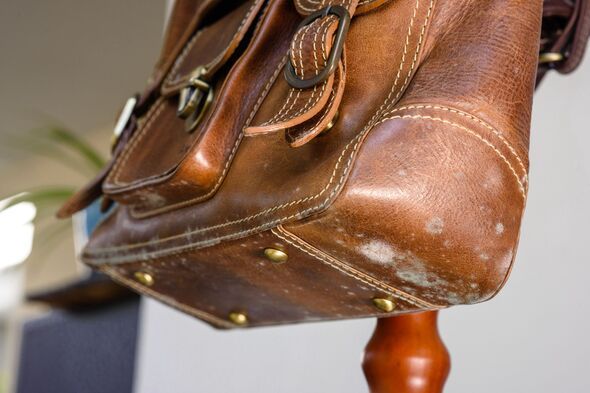
Leather items are a dime a dozen in charity shops, yet often they aren't in the best condition. Stains, discolouration, and light mould are some of the imperfections that can put a shopper off buying them (even if they are super affordable). Thankfully, these items can be restored (especially leather bags).
First off, ensure there's nothing in the pockets, zips and compartments of your purchased leather item. Next, use your vacuum's crevice tool on a low power setting to suck out the rest of the dirt and residue that invariably collects in the folds of leather items. Lint rollers can also be used, however avoid using them on suede items, especially bags - use suede brushes instead.
For stains and discolouration on the outside, a dedicated leather cleaner and a microfibre cloth will be the solution to your problems. Leather-cleaning wipes are also recommended. Try a test patch on an inconspicuous area of your leather item, and if it doesn't stain, apply your cleaner evenly in circular motions as you gradually work your way across the item without over-saturating the leather.
Once dry, apply a leather restorer to moisturise and protect your leather's surface. Leave it to dry and set (make sure it doesn't feel tacky to the touch) and voila - your leather purchase is ready to be flaunted.