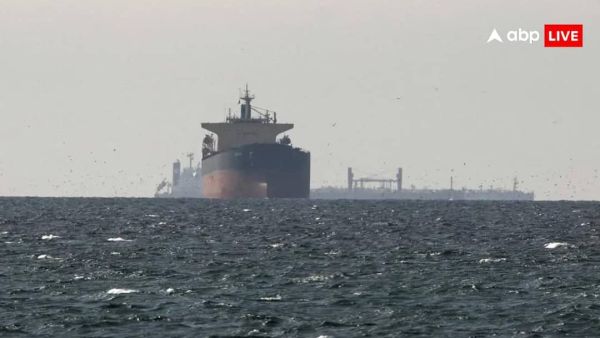
A fresh economic assessment has outlined the potential fallout of a US naval blockade in the Persian Gulf, with former US Treasury official Midad Maleki estimating that Iran could face direct losses of about $435 million per day if such a move is implemented.
This includes roughly $276 million in lost exports and $159 million in disrupted imports daily, translating to nearly $13 billion in economic damage every month.
Maleki notes that more than 90 per cent of Iran’s trade flows through the Persian Gulf. Oil and gas account for nearly 80 per cent of government revenue and contribute about 23.7 per cent to GDP.
Kharg Island alone generates approximately $53 billion annually, underscoring its central role in Iran’s energy exports. The crude oil sector would bear the brunt of any disruption.
Iran has been exporting around 1.5 million barrels of oil per day, earning roughly $139 million daily. In the event of a blockade, this entire revenue stream could be cut off immediately. About 92 per cent of Iran’s oil exports pass through Kharg Island, which currently lacks a viable alternative route.
In the first nine months of 2024–25, Iran exported $19.7 billion worth of petrochemicals, or approximately $54 million per day.
These exports primarily move through ports such as Asaluyeh, Imam Khomeini Port and Shahid Rajaee Port, all located within the potential blockade zone.
Non-oil trade would also be hit sharply. In 2025, Iran’s non-oil trade stood at $51.7 billion, with around $88 million in daily exports routed through the Gulf. Nearly 90 per cent of this, about $79 million per day, could be disrupted.
Key logistics hubs would be severely affected under a blockade scenario.
Shahid Rajaee Port handles about 53 per cent of Iran’s cargo, while Imam Khomeini Port accounts for 58 per cent of essential goods imports. Bushehr ports processed around 57 million tonnes of cargo last year.
All these facilities are located within the Gulf and would be directly exposed to any restrictions on maritime movement.
Iran’s alternative trade routes remain constrained. Jask Port, with a capacity of 1 million barrels per day, is currently handling only around 70,000 barrels.
Chabahar and ports along the Caspian Sea together account for just about 10 per cent of total trade capacity.
Iran imported goods worth $58 billion in 2025, about $159 million per day, including machinery, industrial inputs and consumer goods. The country is already facing food inflation exceeding 100 per cent, with rice prices rising up to sevenfold, a situation that could worsen significantly under a blockade.
Oil storage presents another major vulnerability.
Iran’s storage capacity stands at 50-55 million barrels, with nearly 60 per cent already filled. The remaining capacity of about 20 million barrels could be exhausted within 13 days if exports are halted, potentially forcing shutdowns of oil wells.
Maleki warns that shutting down ageing wells could trigger “water coning”, a process that may permanently trap oil underground. This could result in a long-term production loss of 300,000 to 500,000 barrels per day, equivalent to an annual loss of $9–15 billion.
The Iranian rial has already weakened sharply, falling from 42,000 per dollar to nearly 1.5 million per dollar.
Banks have imposed daily withdrawal limits, while inflation stands at around 47.5 per cent. A complete halt in foreign currency inflows could push the economy towards a hyperinflation scenario.
The assessment indicates that a US blockade in the Persian Gulf could trigger a deep and rapid economic crisis for Iran, marked by sustained daily losses, structural damage to production capacity and further currency instability.