People across England may be getting to grips with what can and cannot be put in food waste bins, as millions of households adjust to changes in how rubbish is managed nationwide. Failing to follow the new regulations could result in financial penalties.
The compulsory rollout formed part of an approved government policy requiring councils in England to introduce weekly food waste collections from March 2026, splitting organic matter from landfill. Certain areas in England have yet to make the switch to the new model, with plans to distribute dedicated food waste bins to residents later in the year.
Residents should use the Recycle Now service finder or check their council's official website for their specific collection timeline. Issues with procuring specialised vehicles and funding shortages are causing these delays, according to reports.
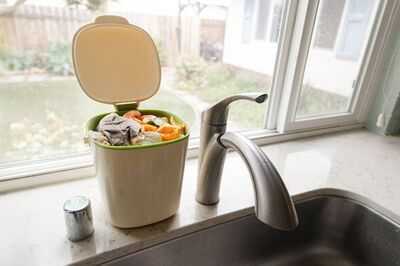
Under the new England-wide rules, homes will be supplied with a small indoor food caddy for everyday use and a larger 23-litre lockable outdoor bin for kerbside collection. For those who are still not used to separating food waste into a smaller bin, breaking old habits may prove challenging, but failing to follow these new rules could result in fines of up to £80 for "mismanaging" waste under England's new Simpler Recycling laws.
Which?, the consumer group, published a series of infographics on its Instagram page. These outlined what is typically accepted and rejected within the food waste system.
A spokesperson said: "What's acceptable to go in food waste bins may vary slightly from council to council, so it's important to check your local council's website to know for certain. But, generally speaking, these items should be fine to go into your food waste."
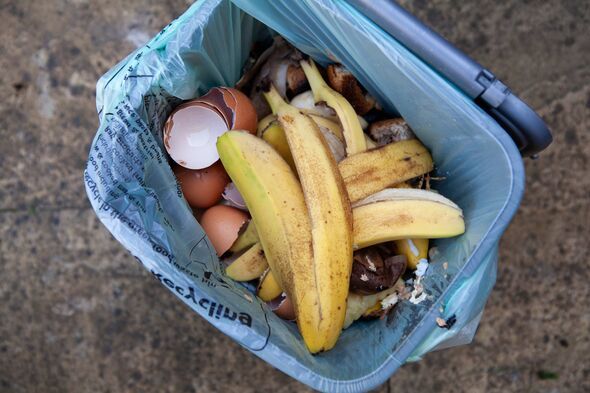
The first full list outlines what families should put into their indoor food waste caddy before transferring it to the kerbside collection box, reports the Mirror. None of these items will lead to issues with weekly collections:
Generally, there are items that should not be placed in the food waste bins. Wrong items could contaminate the entire batch of collected waste for your street if the people who collect your bins don't spot them first and choose to leave your load behind.
Items such as food packaging (plastic, wrappers, glass jars, cans) will not be permitted. Councils generally will not accept compostable packaging because it "takes much longer to break down than regular food waste and can contaminate the process", according to Which?.
Items generally not allowed in your food waste:Bins will also not accept liquids like milk or juice (which should be poured down the sink) or any "non-food but organic matter, particularly garden waste or soil". There are separate green bin collections for this type of material.
Recycle Now claimed on its website that residents may wish to keep items in their food caddy in a bin bag or liner. However, rules on this common practice to keep bins cleaner and less attractive to pests will vary depending on the local authority where people live.
A spokesperson said: "This may be with paper or [the council] may provide you with liners or have a list of places you can purchase them from. You should check your local council website if you are unsure how to line your caddy properly."
What happens to recycled food waste?As food waste is 70% water, sending food waste for incineration requires more energy to burn, so recycling is a more efficient method of disposal. When recycled, food waste can be turned into something useful.
Typically, food waste is taken to an anaerobic digestion facility where it is used to generate natural forms of energy, such as biogas, an excellent alternative to fossil fuels and a fertiliser or soil conditioner which can be used in farming.