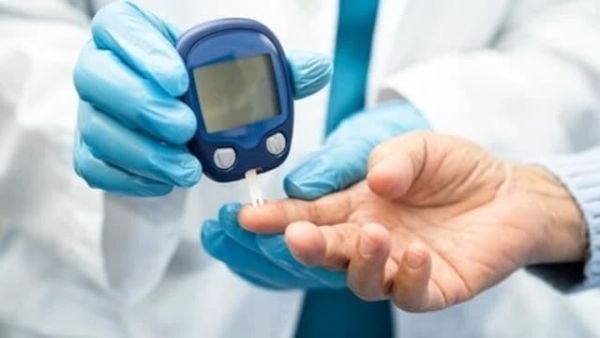
An exciting and innovative initiative has emerged in the realm of healthcare services. Several medical institutions across the United States are now incorporating culinary skills into their training for aspiring doctors. This new trend, referred to as 'culinary medicine,' emphasizes the role of food as a vital component of treatment.
Reports indicate that around 60 medical colleges in the U.S. have introduced such courses. The objective is to ensure that future physicians do not merely prescribe medications but also educate patients on how to prepare nutritious meals and understand their health impacts.
Experts suggest that many contemporary health issues, such as obesity, diabetes, and heart disease, are linked to poor dietary habits. By gaining a deeper understanding of nutrition and cooking, doctors can provide better guidance to their patients. They will not only advise on what to eat but also teach how to prepare meals in a healthy manner.
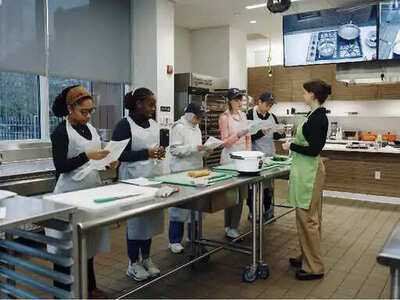
Students receive practical training in kitchens, where they learn about various food items, their nutritional values, and healthy cooking techniques. Additionally, they are informed about which foods are beneficial for specific health conditions.
Doctors have noted that patients often struggle to comprehend diet charts or implement them in their daily lives. By providing simple recipes and cooking methods, physicians can help patients better manage their health.
This initiative is seen as a significant shift in traditional healthcare practices, where treatment extends beyond medications to include lifestyle and dietary considerations.
 Conclusion
The 'culinary medicine' model illustrates that the role of doctors is set to expand in the future. They will not only treat illnesses but also teach individuals how to lead healthier lives. This initiative could serve as a model for other countries in the coming years.