For most residents, daily life in the UAE runs with a sense of order that feels almost routine. Flights arrive as scheduled, services remain accessible and systems respond when needed. What is less visible is the network of professionals working behind the scenes to maintain that consistency, often in environments where accuracy and timing leave little room for error.
Managing the Skies with Precision
In aviation control centres, for instance, air traffic controllers manage one of the region’s busiest airspaces with a level of precision that leaves little margin for error. Aircraft are monitored in real time, their positions tracked and adjusted as they move through designated routes. Controllers communicate directly with pilots, issuing instructions that must be clear, concise and accurate. The work is highly structured and demands sustained concentration over long periods.
Even minor adjustments require careful calculation, and decisions are often made within seconds. For passengers, however, the experience remains straightforward. Flights depart, land and connect without disruption, and the complexity behind these operations remains largely unseen.
Planning Before Problems Arise
In parallel, planning teams operate within a different framework, one that focuses on preparation rather than immediate action. Their work involves identifying potential risks, developing response strategies and ensuring that coordination between different entities is already established. This process is continuous. Plans are reviewed, refined and tested regularly through simulations designed to assess readiness.
The objective is not to react in the moment, but to ensure that any response, if required, is already defined. This level of preparation reduces uncertainty and allows systems to operate with a degree of predictability that supports overall stability.
Protecting the Digital Backbone
A similar level of attention is applied within digital environments, where cybersecurity professionals monitor networks that underpin essential services. Financial systems, government platforms and logistics operations all rely on secure digital infrastructure. Teams work continuously to observe system activity, identify irregular patterns and respond to potential risks before they develop into disruptions. The process is methodical and largely invisible.
For most users, systems function as expected, transactions are completed and access remains uninterrupted. The absence of disruption is the result of constant oversight and early intervention.
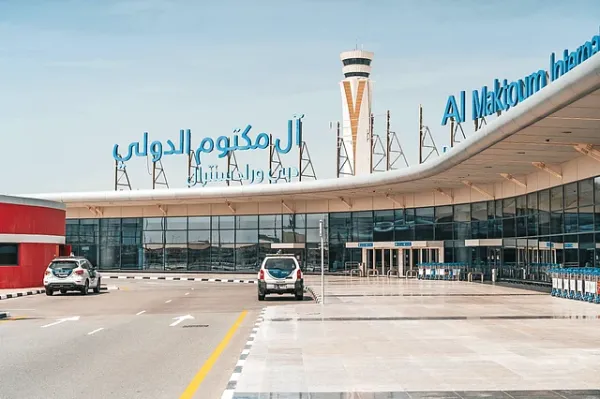
In aviation control centres, air traffic controllers manage one of the region’s busiest airspaces with a level of precision.
Readiness on the Ground
Emergency response teams also operate within structured systems that emphasise readiness. Their work is built on preparation, training and coordination. Equipment is maintained, procedures are rehearsed and roles are clearly defined. When a situation requires action, the response appears immediate, but it is supported by extensive groundwork. The ability to act quickly is not improvised. It is the outcome of repeated practice and established protocols. This approach ensures that responses are consistent and effective, even under pressure.
The Discipline of Routine
What connects these different roles is a reliance on routine. Systems are checked regularly, data is reviewed continuously and procedures are followed with precision. This repetition is not redundant. It is essential to maintaining consistency and reducing the likelihood of error. Routine builds familiarity, allowing professionals to recognise changes quickly and respond accordingly. It also ensures that performance remains stable over time, even in complex environments.
Working within Structured Systems
These roles operate within clearly defined frameworks. Responsibilities are structured, processes are standardised and decisions are guided by established protocols. This reduces reliance on individual interpretation and supports consistency across operations. Professionals are trained to work within these systems, using both technical knowledge and experience to carry out their responsibilities. The result is a coordinated approach where actions are aligned and outcomes are predictable.
Emergency response teams also operate within structured systems that emphasise readiness.
Coordination across Functions
Coordination is a defining feature of this workforce. Different functions are connected through shared systems that enable information to move quickly between teams. This allows for timely decision-making and ensures that responses are not isolated. When adjustments are made in one area, they are supported by others, creating a network that operates cohesively. This level of integration strengthens resilience and reduces the potential for disruption.
Operating around the Clock
Many of these roles require continuous operation, extending beyond standard working hours. Shifts are organised to ensure that systems are monitored at all times, including overnight and early morning periods. The structure of this work is based on continuity rather than convenience. Professionals maintain focus regardless of time, ensuring that support remains consistent throughout the day.
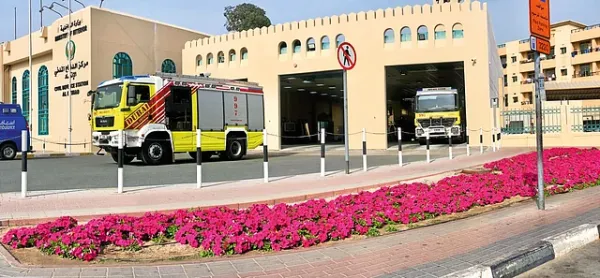
Professionals are trained to work within the systems, using both technical knowledge and experience to carry out their responsibilities.
Responsibility without Visibility
Despite the importance of their work, visibility remains limited. These roles are not designed to attract attention. Their effectiveness is measured through outcomes rather than recognition. When systems operate without interruption, the work behind them is often overlooked. This is not a limitation, but a characteristic of roles that are built around prevention rather than response.
The People Behind the Systems
At the centre of these systems are individuals whose work requires discipline, attention to detail and a strong sense of responsibility. Their roles may differ, but their objective is shared. They ensure that processes remain controlled, that systems continue to function and that responses are delivered efficiently when required. Their contribution is continuous, even if it is not immediately visible.
Preparedness as a Constant
Preparedness remains a consistent theme across this workforce. Training, planning and system design are all focused on maintaining readiness. Professionals are equipped to manage their roles through structured processes that support efficiency and accuracy. This approach allows them to respond to changes without disrupting operations, maintaining a steady and controlled environment.
Reliability as an Outcome
For residents, the outcome of this work is reliability. Systems function as expected, services remain accessible and responses are timely. This reliability supports confidence, allowing individuals and businesses to continue their activities without concern. It creates an environment where stability is experienced not as an exception, but as a standard.
An Unseen Layer of Stability
The quiet workforce represents an essential layer within the UAE’s operational structure, one that is rarely visible but consistently present. Their work exists behind systems, within processes and across networks that most people interact with every day without noticing. It is carried out through coordination, discipline and a clear understanding of responsibility, ensuring that operations remain steady and predictable.
What distinguishes this workforce is not just what they do, but how they do it. Decisions are made with precision, processes are followed with consistency and responses are delivered without delay. There is little room for error, yet there is no sense of urgency in how the work is carried out. Instead, there is structure, focus and control.
For most residents, this effort is experienced indirectly. It is reflected in systems that function as expected, in services that respond when needed and in an environment where stability feels routine rather than exceptional. That sense of normalcy is not incidental. It is maintained.
In the end, the strength of any system lies not only in its design, but in the people who operate it. Across the UAE, this workforce continues to perform its role quietly and consistently, ensuring that stability is not interrupted. Their work may not be seen, but its impact is evident in the reliability of everyday life.