Celebrated every year on April 15, World Art Day celebrates the power of creativity and its role in shaping cultures, ideas, and human expression across the globe. Recognised by UNESCO in 2019, the day highlights how art continues to inspire dialogue, innovation, and a deeper understanding of the world around us.
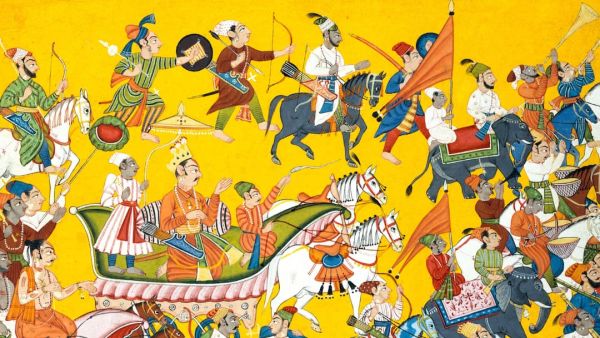
In a country as diverse as India, art is not just an expression, it is a living tradition. From ancient tribal paintings to intricate royal styles, each art form carries stories of history, belief, and everyday life.
Here’s a look at some of India’s most iconic artforms that continue to keep its cultural spirit alive.
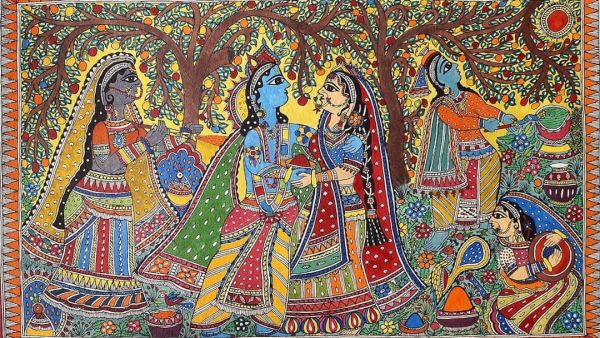
Also known as Mithila art, Madhubani originated in Bihar and has been practiced since ancient times. Created mostly by women, it uses geometric patterns to depict gods, nature, and daily life, often symbolising a spiritual connection with the divine.
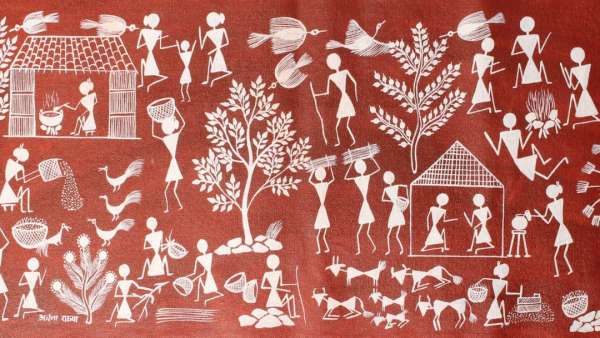
One of India’s oldest tribal art forms, Warli painting began around 2500-3000 BCE in Gujarat. With simple shapes like circles and triangles, it beautifully captures everyday activities such as farming, dancing, and rituals.
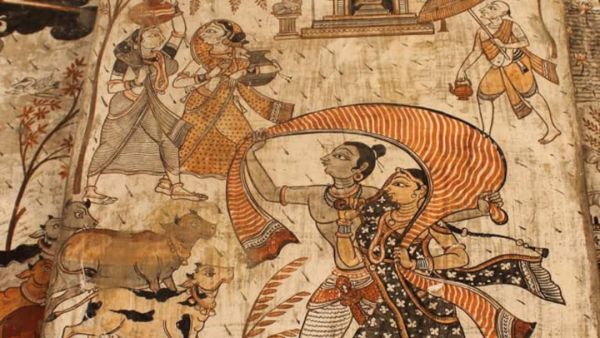
Originating in Odisha and West Bengal, Pattachitra translates to 'painting on canvas.' This traditional art form mainly depicts mythological themes, especially stories related to Lord Krishna and the Vaishnava tradition.
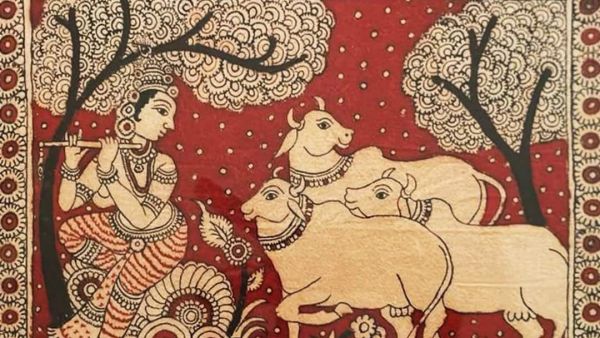
Kalamkari, meaning 'pen art,' comes from Andhra Pradesh and is created using natural dyes. It exists in two styles, block printing and hand-drawn designs, both known for their intricate storytelling on fabric.
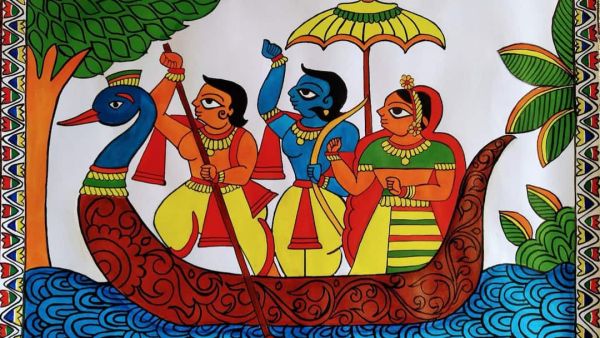
Phad painting from Rajasthan is done on long pieces of cloth, often illustrating tales of local deities and heroic adventures. Its vibrant colours and narrative style make it both a visual and storytelling tradition.
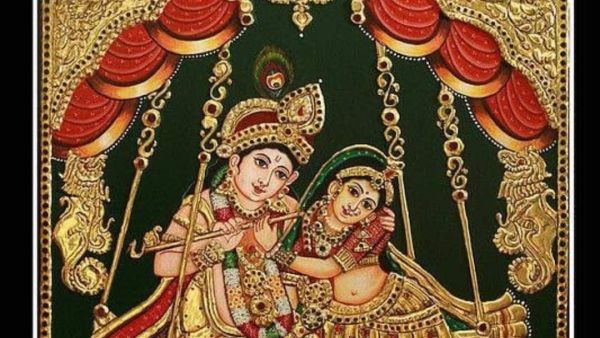
Originating in Tamil Nadu, Tanjore paintings are known for their rich colours and use of gold foil. Created on wooden planks, these artworks often depict Hindu gods and stand out for their opulent finish.
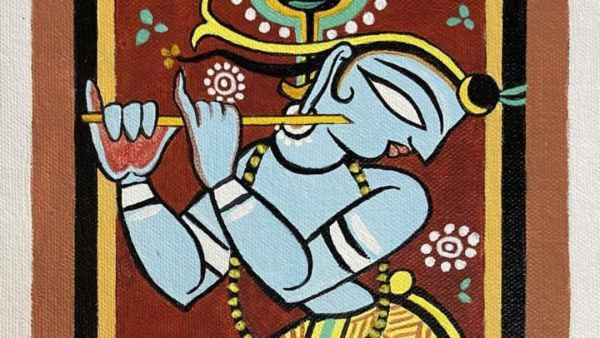
Developed in Kolkata during the 19th century, Kalighat paintings began with mythological themes but later evolved to reflect social issues. Artists used this medium to comment on society in a bold and expressive way.
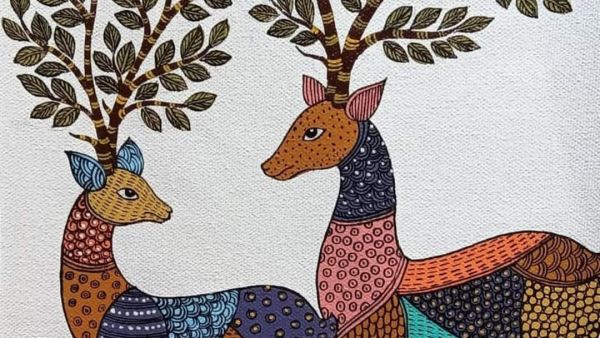
This tribal art form from Madhya Pradesh celebrates nature through vibrant patterns and colours. Traditionally made using natural materials, Gond paintings often feature animals, plants, and elements of the natural world.
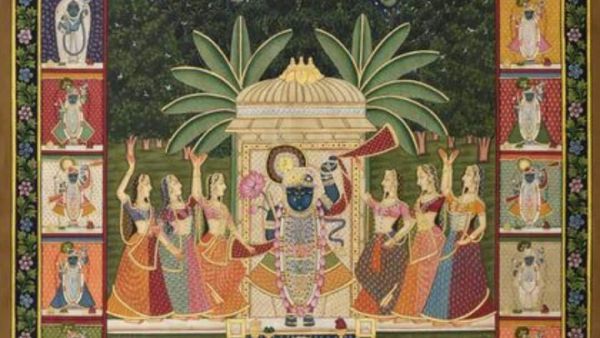
Pichwai paintings from Rajasthan are large cloth artworks created to depict stories of Lord Krishna. Traditionally hung in temples, they serve both as decoration and a medium of storytelling for devotees.