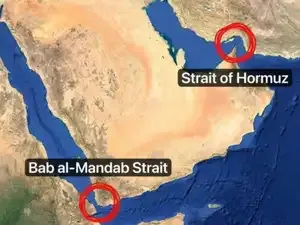
The escalating Iran Red Sea trade threat is rapidly reshaping global shipping dynamics, with vessel traffic through the Strait of Hormuz dropping below 10% of its usual 138 daily transits. This sharp decline signals a deepening crisis in one of the world’s most critical energy corridors. Iranian officials have now warned that the Iran Red Sea trade threat could expand beyond the Persian Gulf, directly impacting the Red Sea and the Sea of Oman if tensions with the United States continue. The warning comes amid an ongoing U.S. blockade ordered by Donald Trump, raising fears of a wider disruption in oil flows, global supply chains, and maritime security. The central question now is clear: how far will Iran go, and what does this mean for global trade stability?
The Iran Red Sea trade threat is no longer a regional issue—it has become a global economic risk. With oil, fertilizer, and food shipments already under pressure, analysts warn that any further escalation could trigger price spikes worldwide. Iran’s military leadership has signaled readiness to act decisively, indicating that the crisis could soon extend into new strategic waterways, intensifying uncertainty for shipping companies, insurers, and governments alike.
This disruption is not just about oil. The Iran Red Sea trade threat extends to critical goods such as food supplies and industrial materials. Supply chain experts highlight that even minor interruptions in this corridor can lead to higher freight costs, insurance premiums, and delivery delays. As a result, consumers worldwide may soon feel the impact through rising prices and limited availability of essential goods.
Such an expansion would have far-reaching consequences. The Red Sea connects to the Suez Canal, a vital artery for global trade between Europe and Asia. If the Iran Red Sea trade threat materializes fully in this region, it could disrupt one of the busiest shipping lanes in the world. Shipping companies may be forced to take longer routes around Africa, increasing transit times and operational costs significantly.
Military analysts note that enforcing such a blockade requires significant resources from the U.S. Navy, increasing the risk of direct confrontation. The Iran Red Sea trade threat could escalate quickly if any incident occurs at sea, such as the interception of commercial vessels or miscalculated military actions. This uncertainty has already made insurers cautious, leading to higher premiums for ships operating in the region.
If tensions persist, the Iran Red Sea trade threat could evolve into a prolonged disruption affecting global trade flows for months or even years. Economists warn that sustained instability in these కీల maritime routes could slow global economic growth, particularly for energy-dependent nations. On the other hand, a diplomatic breakthrough could quickly restore stability, allowing shipping routes to reopen and trade to normalize.
The stakes are high. The Iran Red Sea trade threat is not just about regional power dynamics—it is about the stability of the global economy. As governments, businesses, and consumers watch closely, the coming weeks will determine whether this crisis escalates further or moves toward resolution.
The Iran Red Sea trade threat refers to Tehran’s warning to disrupt key maritime routes including the Strait of Hormuz and the Red Sea amid rising tensions with the United States. This escalation has already reduced vessel traffic to under 10% of normal levels, severely impacting global oil shipments. As a result, supply chains are tightening, freight costs are rising, and global markets are facing fresh uncertainty.
Q2. Will the Iran Red Sea trade threat increase global oil prices and disrupt supply chains further?
Yes, the Iran Red Sea trade threat is likely to push oil prices higher as disruptions in the Persian Gulf directly affect nearly one-fifth of global oil flows. Prolonged instability forces shipping companies to reroute vessels, increasing transit time and insurance costs significantly. This ongoing pressure could lead to higher fuel prices, inflation in goods, and continued volatility in global trade networks.
The Iran Red Sea trade threat is no longer a regional issue—it has become a global economic risk. With oil, fertilizer, and food shipments already under pressure, analysts warn that any further escalation could trigger price spikes worldwide. Iran’s military leadership has signaled readiness to act decisively, indicating that the crisis could soon extend into new strategic waterways, intensifying uncertainty for shipping companies, insurers, and governments alike.
Iran Red Sea trade threat: Why the Strait of Hormuz crisis matters for global trade
The Iran Red Sea trade threat is deeply tied to the instability in the Persian Gulf, where the Strait of Hormuz serves as a chokepoint for nearly 20% of global oil supply. When Iran restricts access to this narrow passage, the ripple effects spread instantly across international markets. The recent blockade and countermeasures have already reduced tanker movement drastically, forcing shipping companies to reroute or delay cargo.This disruption is not just about oil. The Iran Red Sea trade threat extends to critical goods such as food supplies and industrial materials. Supply chain experts highlight that even minor interruptions in this corridor can lead to higher freight costs, insurance premiums, and delivery delays. As a result, consumers worldwide may soon feel the impact through rising prices and limited availability of essential goods.
Is the Iran Red Sea trade threat expanding beyond the Persian Gulf?
The growing concern is whether the Iran Red Sea trade threat will spread into other major maritime routes like the Red Sea and the Sea of Oman. Iranian military officials have explicitly warned that they could block exports and imports across these regions if the U.S. blockade continues. This signals a potential shift from localized disruption to a broader maritime conflict.Such an expansion would have far-reaching consequences. The Red Sea connects to the Suez Canal, a vital artery for global trade between Europe and Asia. If the Iran Red Sea trade threat materializes fully in this region, it could disrupt one of the busiest shipping lanes in the world. Shipping companies may be forced to take longer routes around Africa, increasing transit times and operational costs significantly.
How the U.S. blockade fuels the Iran Red Sea trade threat
The Iran Red Sea trade threat has intensified following the U.S. decision to blockade Iranian ports, a move justified by Washington as a security measure. However, Iranian officials argue that the blockade violates the fragile ceasefire and threatens their economic sovereignty. This standoff has created a volatile situation where both sides are unwilling to back down.Military analysts note that enforcing such a blockade requires significant resources from the U.S. Navy, increasing the risk of direct confrontation. The Iran Red Sea trade threat could escalate quickly if any incident occurs at sea, such as the interception of commercial vessels or miscalculated military actions. This uncertainty has already made insurers cautious, leading to higher premiums for ships operating in the region.
What happens next in the Iran Red Sea trade threat crisis?
The future of the Iran Red Sea trade threat depends largely on diplomatic developments and military restraint. While negotiations continue, there is no confirmed extension of the ceasefire, leaving the situation highly unpredictable. Iran has also insisted on maintaining its uranium enrichment program, adding another layer of complexity to the conflict.If tensions persist, the Iran Red Sea trade threat could evolve into a prolonged disruption affecting global trade flows for months or even years. Economists warn that sustained instability in these కీల maritime routes could slow global economic growth, particularly for energy-dependent nations. On the other hand, a diplomatic breakthrough could quickly restore stability, allowing shipping routes to reopen and trade to normalize.
The stakes are high. The Iran Red Sea trade threat is not just about regional power dynamics—it is about the stability of the global economy. As governments, businesses, and consumers watch closely, the coming weeks will determine whether this crisis escalates further or moves toward resolution.
FAQs:
Q1. What is the Iran Red Sea trade threat and how does it affect the Strait of Hormuz crisis?The Iran Red Sea trade threat refers to Tehran’s warning to disrupt key maritime routes including the Strait of Hormuz and the Red Sea amid rising tensions with the United States. This escalation has already reduced vessel traffic to under 10% of normal levels, severely impacting global oil shipments. As a result, supply chains are tightening, freight costs are rising, and global markets are facing fresh uncertainty.
Q2. Will the Iran Red Sea trade threat increase global oil prices and disrupt supply chains further?
Yes, the Iran Red Sea trade threat is likely to push oil prices higher as disruptions in the Persian Gulf directly affect nearly one-fifth of global oil flows. Prolonged instability forces shipping companies to reroute vessels, increasing transit time and insurance costs significantly. This ongoing pressure could lead to higher fuel prices, inflation in goods, and continued volatility in global trade networks.