TDS Rules Explained: When Individuals Must Deduct Tax and Penalties You Can’t Ignore

Many people believe that Tax Deducted at Source (TDS) is only the responsibility of companies or businesses. However, under the Income Tax Department rules, even individuals may be required to deduct TDS in certain situations.
Failing to comply can lead to heavy penalties, interest charges, and legal trouble. Here’s a clear and complete guide to help you stay compliant.
When Does an Individual Need to Deduct TDS?
Even if you are not running a business, you must deduct TDS in these cases:
1. Property Purchase (Section 194-IA)
- If you buy property worth ₹50 lakh or more
- You must deduct 1% TDS at the time of payment
2. High-Value Rent (Section 194-IB)
- If monthly rent exceeds ₹50,000
- Deduct 2% TDS once a year or at the time of vacating
3. Professional Fees or Contract Payments (Section 194M)
- If you pay more than ₹50 lakh annually to a resident
- Applicable for contract work, commission, or professional services
- TDS rate: 2%
4. Payments to NRIs (Section 195)
- TDS is mandatory on any taxable payment to non-residents
- No minimum limit applies
If You Fall Under Tax Audit Category
If your business turnover exceeds ₹1 crore or professional income exceeds ₹50 lakh, additional TDS rules apply:
- Interest on loans (Section 194A): 10% TDS above ₹10,000
- Contractor payments (Section 194C): 1–2% TDS
- Commission (Section 194H): 2% TDS above ₹20,000
- Professional fees (Section 194J): 2%–10% TDS above ₹30,000
What Happens If You Fail to Deduct or Deposit TDS?
Ignoring TDS obligations can be costly:
- Failure to deduct TDS:
- Interest of 1% per month from due date
- Deducted but not deposited:
- Interest of 1.5% per month until payment
- Delay in filing TDS return:
- Late fee of ₹200 per day under Section 234E
How to Issue a Valid TDS Certificate
6
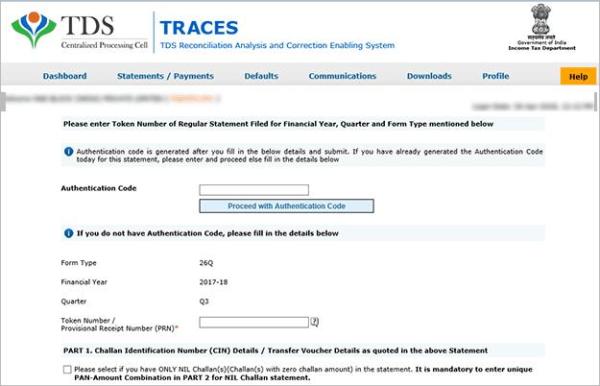
After deducting and depositing TDS, you must issue a certificate:
- Deposit tax using the prescribed challan
- File TDS return on the income tax portal
- Download certificate from TRACES portal
Important:
- Manually created TDS certificates are not legally valid
- Always generate them through TRACES
How to Verify TDS Deduction
If your TDS has been deducted, you can verify it through:
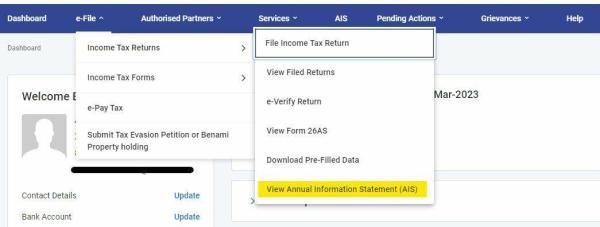
- Form 26AS
- Annual Information Statement (AIS)
These tools help ensure that the deducted tax is correctly reported.
Final Takeaway
TDS compliance is not just for businesses—individuals also have legal responsibilities in specific financial transactions. Missing these rules can result in penalties and unnecessary stress.
To stay safe:
- Understand when TDS applies
- Deduct and deposit on time
- Always use official systems for documentation