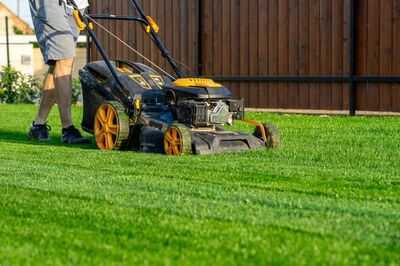
Gardeners will be putting the finishing touches to their gardens ahead of a spectacular display in late spring and summer, but it's not solely about the plants and flowers. Caring properly for lawns at this time of year is equally essential.
Gardening expert and TikTok creator Michael Griffiths has advised fellow gardeners to aerate their lawns during spring. This encourages air, water and vital nutrients to penetrate down into the roots, promoting a healthier lawn further down the line. All you'll need is a garden fork to complete the task.
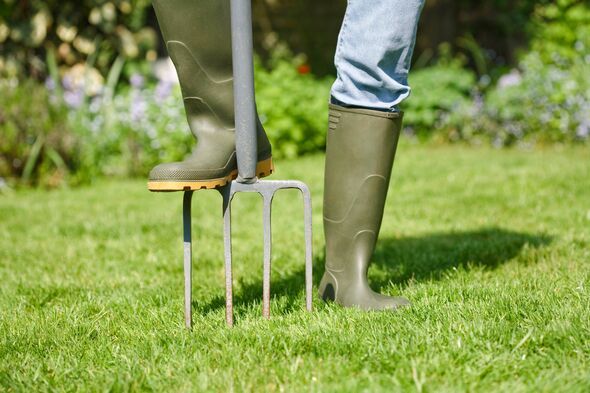
Simply use the garden fork to pierce holes into the ground approximately four to five inches deep. Plunge the garden fork firmly into the ground, then pull the fork back without removing it entirely. Michael advised repeating the process every six inches across the lawn.
Once you've aerated your lawn, you can either leave the holes empty or fill them with horticultural sand to aid drainage. In a previous video, Michael recommended adding grass seed. The type of lawn feed required - either summer or autumn - will vary depending on the time of year you choose to aerate, reports The Mirror.
When selecting which autumn lawn feed is most suitable for your lawn, bear in mind that synthetic fertilisers consume considerable resources and energy during production and may prove damaging to the environment. Lawn aeration involves perforating the soil to create holes that allow air, water, and nutrients to penetrate the grass roots, easing compaction and boosting root health.
To aerate effectively, use a core aerator, spike aerator, or a garden fork, ensuring the soil is sufficiently moist beforehand.
Aerating your lawn will encourage deeper root growth, reduce thatch build-up, and help the grass withstand drought and disease. B&Q advises giving your lawn a thorough watering to help the soil absorb moisture. It also notes that the ideal time to aerate is one or two days after a rain shower, while the soil remains moist.
Given the unpredictable nature of spring weather, it's best to avoid aerating after heavy rainfall, as the ground risks becoming waterlogged.
The Royal Horticultural Society recommends fertilising the lawn ahead of forecasted rainfall. However, if rain fails to materialise, make sure to water the lawn yourself.
Spring is also an excellent opportunity to scarify your lawn and clear away any remaining thatch. Scarifying is a lawn care process of using mechanical blades or tines to cut into and remove a dense layer of thatch - dead grass, roots, and organic matter - from a lawn.
By thinning this out and removing it, the lawn's overall health is greatly improved, allowing better airflow, water, and nutrient absorption while eliminating any competition within the soil.