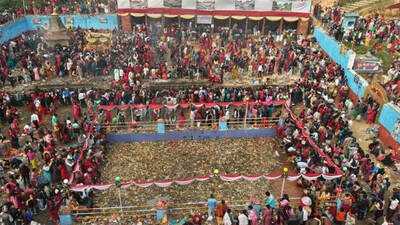
Matatirtha Aunsi is a very important Hindu celebration dedicated to mothers that is observed in Nepal. This year it was celebrated yesterday (17th April) in Nepal. This celebration is also known by its name "Aama ko Mukh Herne Din," which can be translated into English as "the day when you see a mother's face." It is celebrated on the new moon day of Baisakh month (which corresponds to April-May).
The term Matatirtha derives from Sanskrit: "Mata" means a mother and "tirtha" refers to a pilgrimage destination. Thus, "Matatirtha" can mean that a mother is an important destination for pilgrimage.
Meaning and the emotional core
Fundamentally, Matatirtha Aunsi is a day when people show their appreciation towards their mothers due to the unconditional love and support from the mothers throughout their lives. Traditionally, the children on that day used to wake up early in the morning and give presents such as clothes, sweets, and other things. The next step would be touching their mother’s feet to receive blessings from her.
Remembering mothers who left forever
Another important aspect of the festival is connected with remembering mothers who died long time ago. In that case, many people go to the Matatirtha temple located near Kathmandu and there perform various rituals in honor of their dead mothers. It includes such actions as taking a bath in the pond, giving tarpan and pinda, which are ritual offerings.
Additionally, there is a strong conviction that devotees can spiritually unite themselves with or perceive the image of their deceased mother in the holy water, thus giving the location sentimental value to mourning families.
Myths and cultural background
According to local beliefs, Matatirtha's creation was inspired by an event in which a man witnessed the reflection of his mother in a holy pond, which convinced believers that the holy place was filled with divine feminine presence. This belief eventually became a site where believers pay homage, cherish their love for mothers and children, and connect spiritually.
The celebration is further supported by cultural values within Hinduism that consider mothers to be more revered than spiritual leaders, making them essential in both personal and societal aspects of life.
Celebrations of today and evolving traditions
In the modern Nepal, the festival of Matatirtha Aunsi is commemorated not just through the rituals, but also through social festivities. A great number of people started calling it “Mother’s Day” due to the increasing number of urban people who use social networks.
But the main idea still stays the same:
* Motherhood celebration
* Gratitude expressing
* Sacrifice remembering
Despite all the changes in life styles, the emotional meaning of the holiday still unites people.
Matatirtha Aunsi is not just a holiday, but a reminder that the relationship between a mother and a child is not just about emotions, but also spirituality. Whatever way you celebrate it, it shows that no matter how far you get from your mother physically, she always stays there forever.