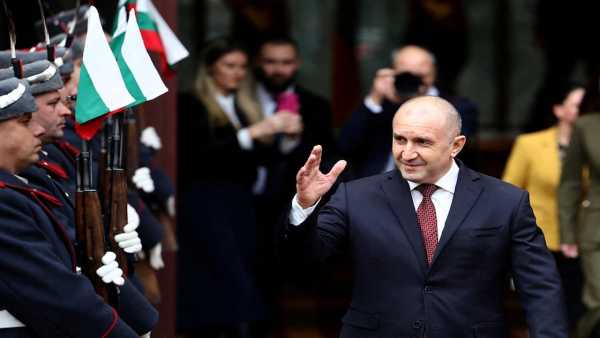
New Delhi: Bulgaria is voting in yet another high-stakes parliamentary election, with former president Rumen Radev emerging as the clear frontrunner. This comes amidst times of marked political instability and public frustration in the country. The elections, the country’s eighth in just five years, reflects deep-rooted governance issues, with Radev campaigning on promises to end the cycle of weak governments and tackle entrenched corruption.
The election comes after years of quickly changing governments, public anger over corruption and ever-cascading economic issues. Bulgaria has struggled to form stable coalitions, with previous administrations collapsing amid protests and policy disputes, which make the current voting all the more important.
Despite its integration into the European Union and recent adoption of the euro, many voters remain disillusioned. This has been reportedly due to the ever-rising cost of living. Radev has tapped into this sentiment, positioning himself as an anti-corruption candidate who can restore stability.
On the other hand, his perceived pro-Russian stance which importantly also includes opposition to military aid for Ukraine has made the election geopolitically significant within the EU, and a problem for pro-EU factions within Bulgaria.
According to Reuters, Radev’s newly formed Progressive Bulgaria party is polling at around the mid-30 per cent range, giving him a strong lead over rivals but still short of an outright majority. He faces competition from established parties such as GERB, and any path to government is likely to depend on coalition-building. While common in recent Bulgarian politics, it has historically proven fragile, especially in the recent past.
While Radev has drawn support by pledging to stabilise governance and curb corruption, critics point to his past decisions and warn that forming a durable coalition could remain a challenge. With turnout expected to improve, many Bulgarians see this election as another attempt to break the cycle of instability that has defined the country’s recent politics.