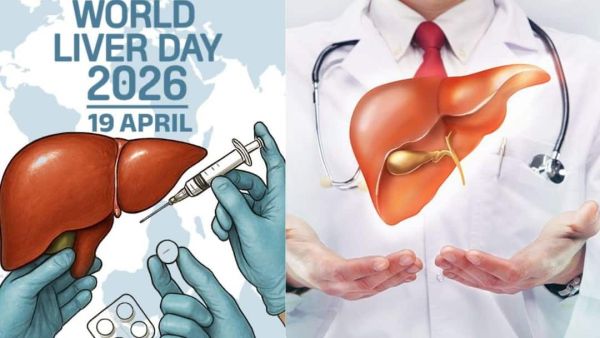
Your daily food choices might be silently damaging your liver, one of the body's strongest organs. Poor habits like eating junk food, sugary treats, and refined carbs lead to non-alcoholic fatty liver disease (NAFLD). This can progress to inflammation, scarring, cirrhosis, and even liver failure, often without early warning signs. Irregular eating, overeating, lack of exercise, and alcohol worsen the risk through insulin resistance. But early diet changes can reverse it. On Liver Day, experts urge awareness: "The food you eat every day can either help or hurt your liver." Act now to protect your health.
The liver handles tough jobs like filtering toxins and aiding digestion, but constant bad food choices wear it down over time. Today, more people face liver problems from what they eat, not just from alcohol. Non-alcoholic fatty liver disease (NAFLD) is on the rise. It happens when fat piles up in liver cells due to high-calorie, low-nutrient foods such as burgers, fries, sodas, candies, and white bread or pasta.
"Poor eating habits today don't just make you gain weight; they also cause a rise in liver diseases like non-alcoholic fatty liver disease (NAFLD), which can lead to cirrhosis and even liver failure if not treated," says Parul Yadav, Chief Dietician at Marengo Asia Hospitals, Gurugram.
This fat buildup triggers inflammation, known as steatohepatitis. Over time, it causes scarring called fibrosis. If ignored, this turns into cirrhosis, permanent damage that stops the liver from working right. In worst cases, it leads to liver failure, needing transplants or causing death. What's alarming is that early NAFLD shows no symptoms. People feel fine until it's advanced, earning it the name "silent disease."
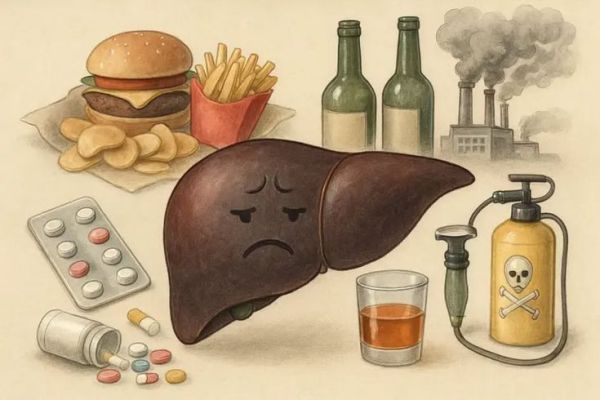
Lifestyle factors speed up the harm. Eating late at night, huge portions, and sitting all day hurt metabolic health. This leads to insulin resistance, where the body can't use sugar properly, a key driver of liver fat. "When you drink alcohol and eat poorly, this process speeds up even more," warns Yadav.
"The liver is very strong, but constant stress from food can slowly lead to serious illness," she adds. "Eating a lot of high-calorie, low-nutrient foods, like fast food, sugary snacks, and refined carbs, can make fat build up in liver cells. This can cause inflammation (steatohepatitis), scarring (fibrosis), and eventually damage that can't be fixed."
"Eating at strange times, eating too much and not moving around enough all make metabolic health worse, which raises the risk of insulin resistance, which is a major cause of liver damage," Yadav explains. This mix creates a vicious cycle: extra weight strains the liver, poor diet adds fat, and inactivity keeps it stuck.
The good news? Most cases don't have to end badly. "But the change from mild fatty liver to death is mostly avoidable. In many cases, correcting your diet early on can help reverse fatty liver," states Yadav. Simple steps work wonders. Control portions to avoid overload. Balance meals with proteins, healthy fats, fibers, and veggies, take grilled chicken, nuts, oats, greens, and fruits over junk. Eat at regular times to steady blood sugar. Add 30 minutes of walking or exercise daily to burn fat and boost metabolism.
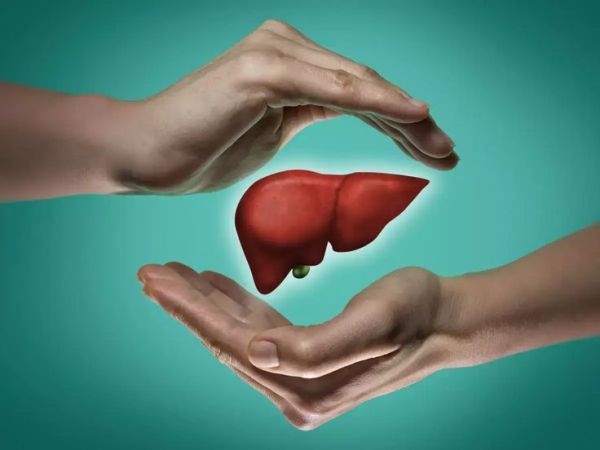
Track progress with doctor check-ups, ultrasounds, or blood tests for liver enzymes. Cut sugar and refined carbs sharply; swap soda for water or herbal tea. Limit alcohol completely if you have fatty liver.
On World Liver Day, it's time to wake up. Small daily choices matter hugely. "Focusing on portion control, balanced macronutrients, regular meals and exercise can make a big difference in how well your liver works," Yadav emphasizes. "On this Liver Day, we should focus on raising awareness and taking action.
[Disclaimer: The information provided in the article is intended for general informational purposes only. It is not a substitute for professional medical advice, diagnosis, or treatment. Always seek the advice of your physician or other qualified healthcare provider with any questions you may have regarding a medical condition.]