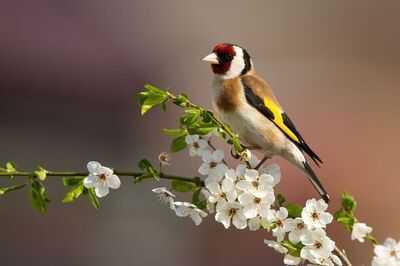
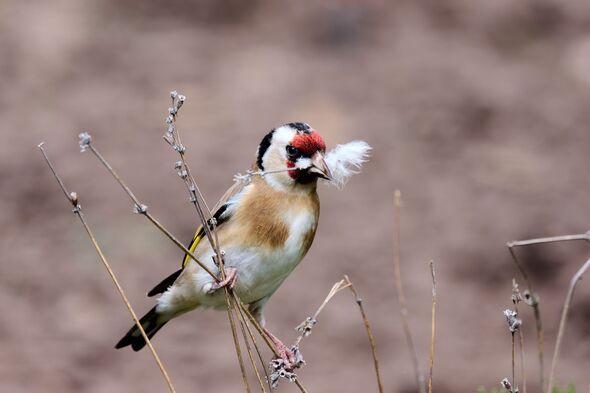
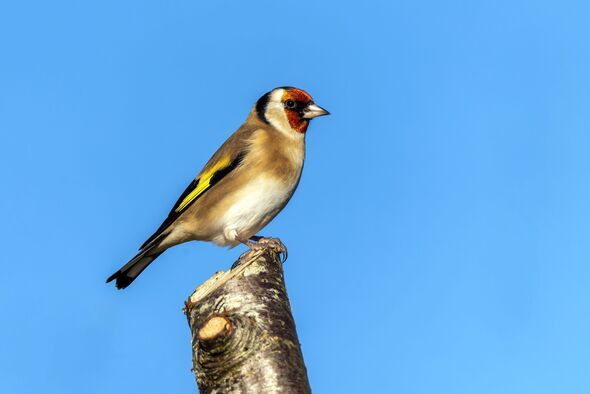
Many bird lovers will hope to spot goldfinches in their gardens as the weather warms up. Often described by the RSPB as one of the most colourful visitors to UK gardens, goldfinches are easy to recognise thanks to their bright red faces and flashes of yellow on their wings.
And spring is a particularly exciting time for birdwatchers. While many goldfinches stay in the UK all year round, others migrate to countries such as Spain and France during winter before returning in April and May for the breeding season. If you want to encourage them into your garden, experts say planting one aromatic flower can make a big difference.
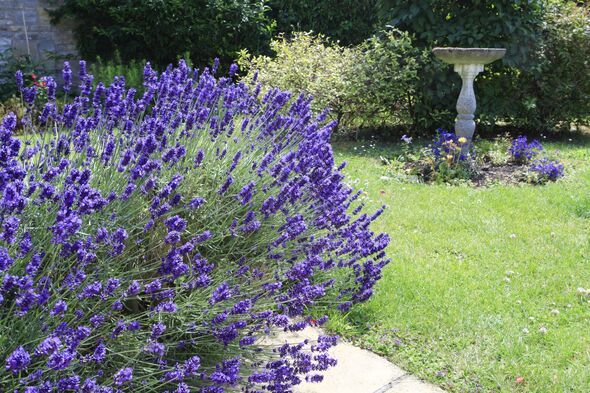
That plant is lavender. Although people often grow lavender for its purple flowers and scent, goldfinches are more interested in what comes later.
Once the flowers fade, the plant produces tiny, oil-rich seeds which the birds love to eat.
Ornithologists have also suggested that strongly scented plants such as lavender may help birds ward off parasites. The natural oils in the plant can act as a mild repellent for mites and lice in nests.
Lavender's tall, thin stems also make it appealing. Goldfinches are cautious feeders and prefer perching where they can clearly see their surroundings and spot predators.
Because they are light birds, they can balance on the swaying stems and even hang upside down to reach seeds that heavier birds cannot access.
There are benefits for gardeners too. Goldfinches effectively "deadhead" the plant by eating the spent seeds, which can encourage further growth in some varieties.
But there is much more to lavender than just bird appeal. It is known as a pollinator-friendly plant, attracting bees and butterflies with its nectar. At the same time, its scent can help deter mosquitoes, flies and moths.
Early spring, particularly April and May, is considered one of the best times to plant lavender in the UK.
Choose a sunny spot that gets at least six hours of sunlight each day. Good drainage is essential, as lavender does not thrive in heavy, waterlogged soil.
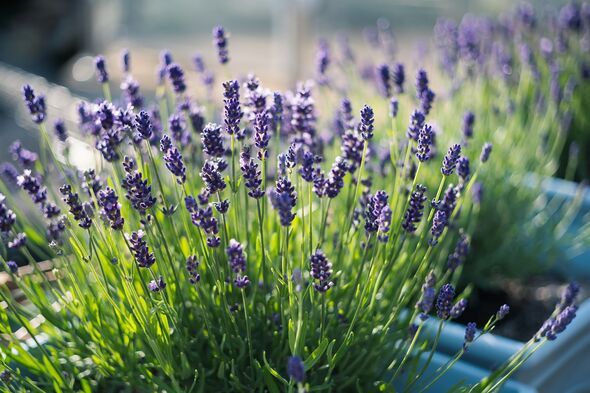
Gardeners with clay soil are advised to mix in grit or sand. The plant prefers slightly poor, alkaline soil and does not need heavy fertiliser.
However, there are some precautions. Lavender contains linalool, which can be mildly toxic to cats and dogs if eaten in large quantities, potentially causing an upset stomach or lethargy.
Also, because it attracts bees, it may not be suitable near walkways or play areas if someone in the household has a bee-sting allergy.
It should also be pruned each year after flowering to prevent it from becoming woody and leggy.