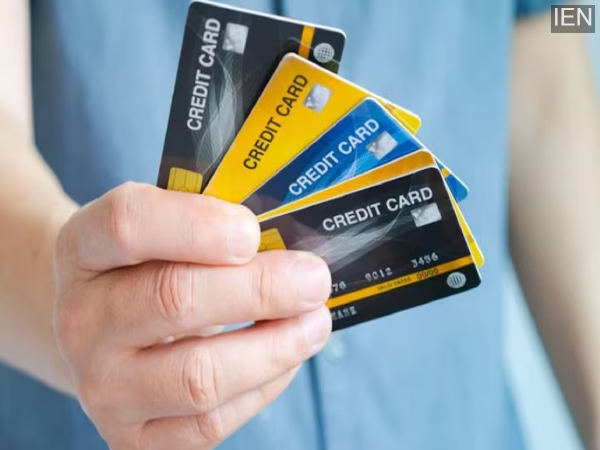
Shopping habits in India have evolved rapidly—from saving for months to using credit cards, and now to the rising trend of Debit Card EMI. From e-commerce giants to offline stores, the option to buy products in easy instalments using a debit card is everywhere.
But while it sounds convenient—especially for those without credit cards—the real question is: Is Debit Card EMI truly helpful, or can it quietly turn into a debt burden?
Let’s break it down in simple terms.
Many people assume that since the money is linked to their bank account, Debit Card EMI is not a loan. That’s a misconception.
👉 In reality, Debit Card EMI works like a short-term unsecured loan:
So technically, you are taking a loan—even if you don’t have a credit card.
One of the most important aspects of Debit Card EMI is its effect on your credit history.
Banks report these transactions to credit bureaus like TransUnion CIBIL.
Before clicking on “Convert to EMI,” make sure you review these factors carefully:
| Feature | Debit Card EMI | Credit Card EMI |
|---|---|---|
| Requires Credit Card | No | Yes |
| Loan Type | Short-term loan | Credit-based |
| Credit Score Impact | Yes | Yes |
| Interest Rates | Often higher | Usually lower |
| Eligibility | Limited bank offers | Wider availability |
Debit Card EMI is a powerful financial tool—but only if used wisely. It offers convenience and flexibility, but it is not “free money.” It comes with responsibilities similar to any loan.
👉 The smartest approach:
Used correctly, it can help you manage expenses. Used carelessly, it can damage your financial health.
This article is for informational purposes only. Financial products and terms vary by bank. Always read the terms and consult a financial expert before making borrowing decisions.